
Kitten milk replacement for newborns matters most in the first days because an orphan kitten can crash fast from dehydration, low blood sugar, or getting chilled, even if you’re feeding “something.” The goal is simple: keep them warm, fed on schedule, and gaining weight, without causing aspiration or diarrhea.
If you’re staring at a tiny kitten and a shelf of formulas, you’re not alone. A lot of advice online mixes emergency stopgaps with long-term feeding, and people get burned by the same few mistakes: wrong product, wrong concentration, or feeding too much too quickly.
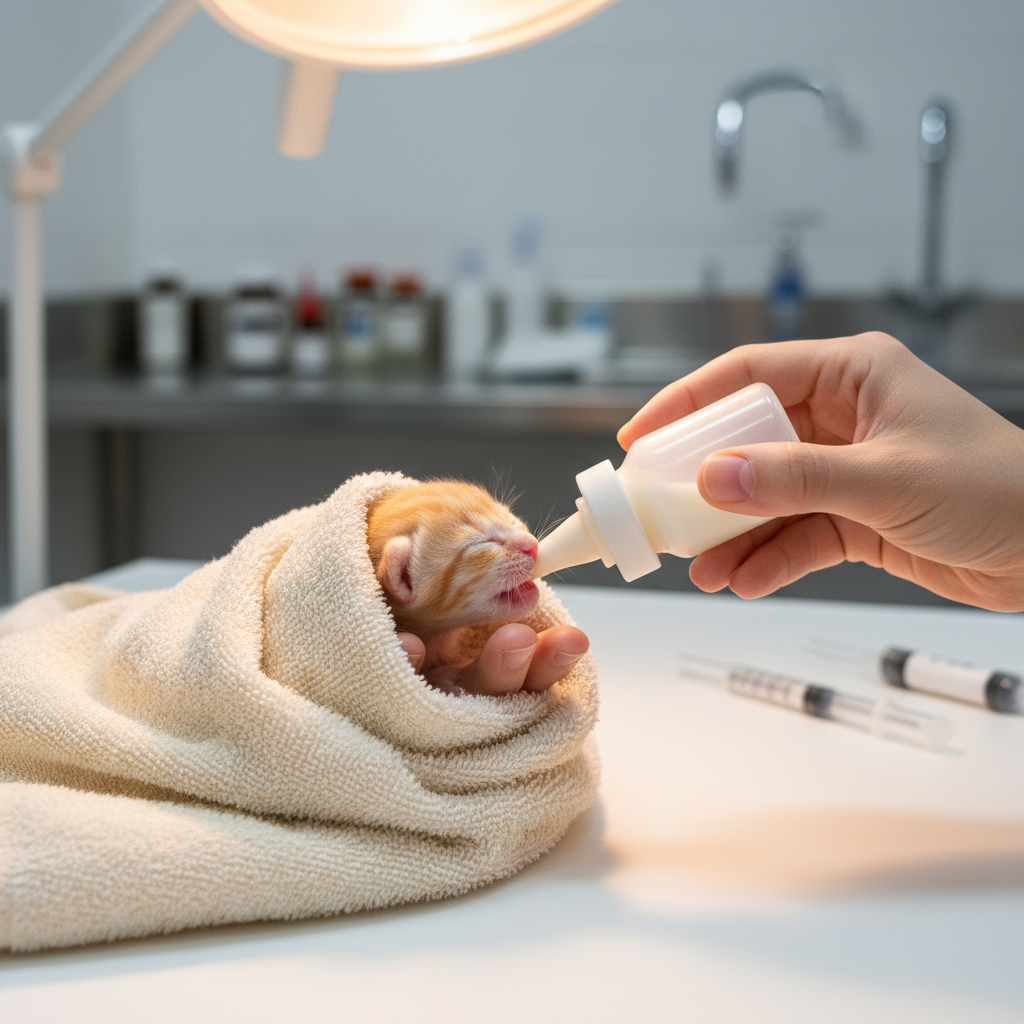
This guide walks through what to buy, how to mix and store it, how much to feed by age, plus a quick checklist to know when to call a vet or rescue. I’ll also call out common “well-meant” shortcuts that tend to backfire.
What a newborn kitten actually needs (and why regular milk fails)
Newborn kittens need a milk diet that matches queen’s milk closely enough to support hydration, calories, and growth. Cow’s milk is the classic mistake: lactose level and protein/fat balance don’t match what kittens tolerate well, and diarrhea can spiral into dehydration.
According to the Cornell University College of Veterinary Medicine, kittens should not be fed cow’s milk because it can cause gastrointestinal upset. In real life, that “upset” often shows up as bloating, loose stool, and a kitten that stops gaining.
- Warmth first: a cold kitten cannot digest well and can decline even with perfect formula.
- Consistency: same product, same mixing method, predictable schedule.
- Weight gain: the most practical “health dashboard” you have at home.
Choosing kitten milk replacement for newborns: what to look for
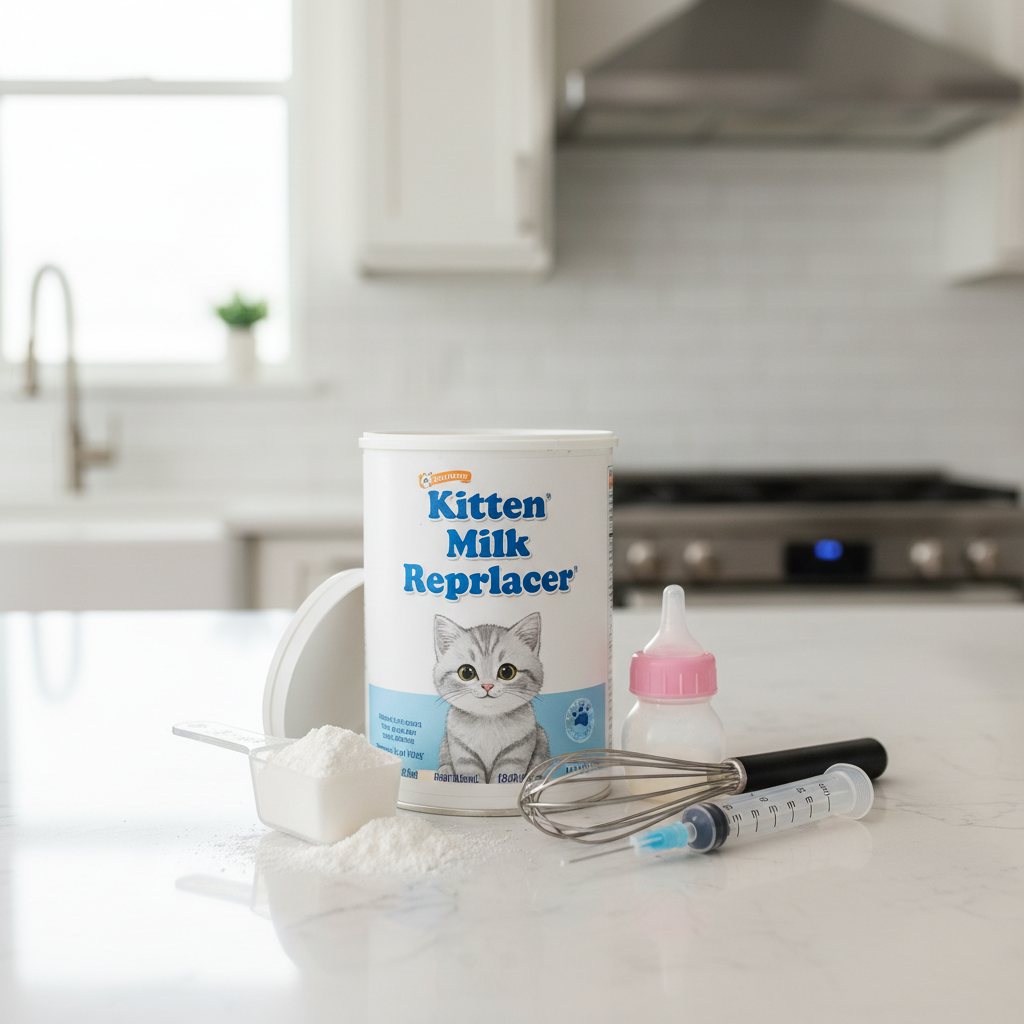
For most caregivers, the safest default is a commercial kitten milk replacer made for neonates. There are powders and ready-to-feed liquids; each can work, but handling differs.
Powder vs. ready-to-feed (RTF)
- Powder: usually more economical, but mixing errors happen, and clumps are common if you rush.
- RTF liquid: convenient for emergencies and consistent concentration, but once opened it has a shorter safe window.
Look for products clearly labeled for kittens (not “multi-species”) and for newborn use. If the label includes mixing ratios by age/weight and storage guidance, that’s a good sign of responsible formulation and instructions.
Skip products that push “human baby formula” as a substitute. In a true emergency, people sometimes use temporary recipes, but they’re not a good plan for days on end, and the risk profile depends on the kitten’s age and condition.
Quick self-check: are you in an emergency situation?
Before you fine-tune formula choices, make sure you’re not missing a “drop everything” problem. Many newborn failures aren’t about brand choice, they’re about temperature, breathing, and dehydration.
- Kitten feels cool/cold (ears/paws cold): warm first, feed later.
- Weak suckle or can’t latch: may need slower flow, different nipple, or professional help.
- Milk bubbles from nose or coughing: possible aspiration, stop feeding and seek guidance.
- Persistent diarrhea or belly looks painfully distended: concentration, volume, infection, parasites, or intolerance may be in play.
- No weight gain over 24 hours: reassess plan quickly.
According to the American Veterinary Medical Association (AVMA), young animals can deteriorate quickly and should be seen by a veterinarian when they are weak, dehydrated, or not eating. If you’re unsure, it’s usually safer to call a clinic or local rescue for triage advice than to “wait and see.”
Mixing and storing formula safely (this is where most mistakes live)
Kitten milk replacement for newborns is only as good as the way it’s prepared. The two common problems are over-concentrating (constipation, dehydration risk) and under-concentrating (poor weight gain, hunger).
Mixing tips that keep things consistent
- Follow the label ratio exactly, measure with proper spoons or a small kitchen scale if provided.
- Mix until smooth, then let it sit a few minutes so bubbles settle.
- Warm only the portion you’ll use right now, aim for body-warm, not hot.
Storage basics
- Refrigerate prepared formula promptly in a clean, covered container.
- Discard if it smells off, separates oddly, or has been left out for an extended period.
- Keep nipples, syringes, and bottles clean; residue turns into a bacteria party quickly.
If you’re caring for multiple kittens, batch prep can help your sanity, but only if you can keep hygiene tight. When sanitation slips, GI issues often follow, and people mistakenly blame the formula brand.
How much to feed and how often (table you can actually use)
Feeding volume depends on weight, age, and tolerance, so treat charts as a starting point, not a promise. A kitchen scale is your best tool: weigh at the same time daily and track trends.
Important: Always feed a kitten in a natural belly-down position, never on their back, to reduce aspiration risk.
| Age | Typical feeding frequency | Practical notes |
|---|---|---|
| 0–1 week | Every 2–3 hours (including overnight) | Small stomach, easy to overfeed; warmth is non-negotiable |
| 1–2 weeks | Every 3 hours | Watch stool; minor adjustments often needed |
| 2–3 weeks | Every 4 hours | May start lapping a little, but bottle/syringe still common |
| 3–4 weeks | Every 5–6 hours | Start weaning support; introduce gruel if thriving |
Instead of obsessing over a single “right” milliliter number, focus on three signals: steady weight gain, comfortable belly (not tight), and normal hydration. If a kitten is frantic after feeds or gains nothing, you may need a volume or schedule change.
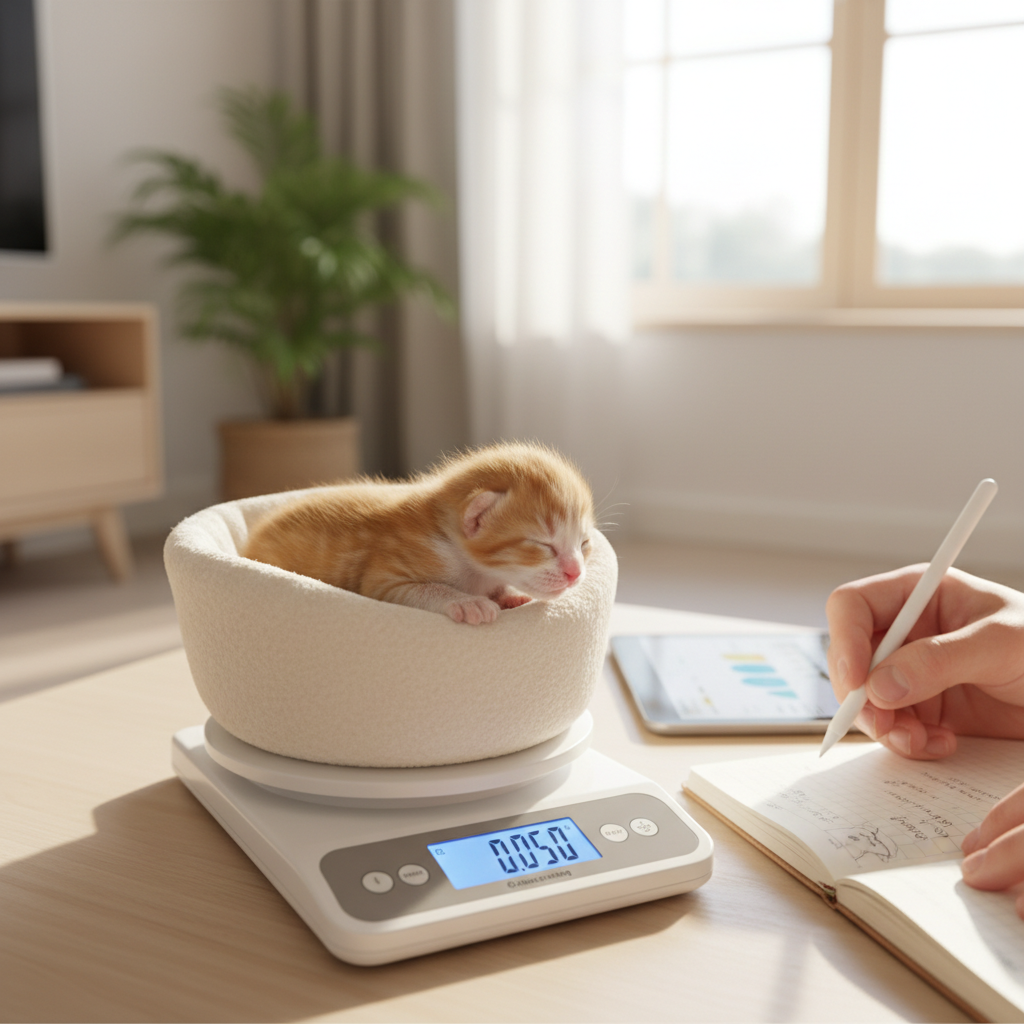
Key takeaway: if the scale is moving in the wrong direction, changing brands rarely fixes it by itself, technique and temperature usually matter more.
Feeding technique: bottle, syringe, and the “slow is fast” rule
New caregivers often push flow too quickly because the kitten seems hungry. But newborns have tiny airways and limited coordination. Slow feeding keeps milk going to the stomach, not the lungs.
Bottle feeding
- Use a nipple designed for kittens, hole size should allow a steady drip when inverted, not a stream.
- Let the kitten latch and suck, avoid squeezing the bottle hard.
- Pause to let them swallow and breathe, especially if they’re wiggly.
Syringe feeding (only if needed)
- Use tiny amounts at a time, aimed to the side of the mouth, not straight back.
- If the kitten fights, coughs, or milk appears at the nose, stop and reassess.
After feeding, very young kittens usually need stimulation to urinate and defecate. According to the ASPCA, orphaned kittens often require gentle stimulation with a warm, damp cloth after meals because they can’t eliminate on their own at first.
Common mistakes and what to do instead
- Using cow’s milk or “milk” treats: choose a true kitten formula, not a dairy product.
- Feeding a chilled kitten: warm gradually first, then feed when they’re responsive.
- Making formula extra thick for “more calories”: this often causes constipation or dehydration; increase total daily intake carefully instead.
- Big meals to “help them sleep”: smaller, frequent feeds are safer for neonates.
- Ignoring stool changes: diarrhea for a newborn is not “normal adjusting,” it’s a signal to act.
If you suspect constipation, dehydration, or aspiration, it’s smarter to pause and call a veterinarian or experienced rescue than to improvise remedies. Some internet fixes can worsen the underlying problem.
When to get professional help (and what to say on the phone)
With newborns, waiting too long is the pattern that causes heartbreak. If you see red flags, get help. Many clinics can guide you even if you’re not sure it’s “serious enough.”
- Labored breathing, coughing during feeds, milk from nose
- Repeated vomiting, severe diarrhea, or blood in stool
- Won’t eat, very weak, limp, or cannot stay warm
- No urine output after stimulation, or obvious abdominal pain
When you call, have these ready: kitten age estimate, current weight, feeding schedule, formula type, stool description, and temperature status (warm vs cold to touch). That short list saves time and gets you better advice.
Practical action plan for tonight (keep it simple)
If you need a calm plan you can follow without overthinking, do this:
- Set up warmth: heating pad on low under half the nesting area, or warm water bottle wrapped in a towel.
- Pick one kitten formula: commercial kitten milk replacer for neonates, then stick to it unless advised otherwise.
- Measure and track: write down time fed and approximate amount, weigh daily.
- Go slow: belly-down feeds, stop if coughing or nasal milk appears.
- Stimulate elimination: warm damp cloth after meals for very young kittens.
Most people don’t fail because they care too little, they fail because they try to do everything at once. Warmth, consistency, and the scale usually tell you what’s working.
Conclusion: safe feeding is more than just the formula
Kitten milk replacement for newborns is a lifeline, but it works best when the basics stay tight: correct mixing, clean gear, slow feeding posture, and steady warmth. If your kitten isn’t gaining, has breathing signs, or develops ongoing diarrhea, loop in a veterinarian or an experienced rescue quickly, newborn timelines can be unforgiving.
If you’re caring for an orphan litter, start by choosing one reputable kitten formula, build a simple log for feeds and weights, and don’t hesitate to ask for help early, it’s often the fastest way to get them stable.
FAQ
What is the best kitten milk replacement for newborns?
Most situations call for a commercial kitten milk replacer labeled for neonates. “Best” depends on availability, kitten tolerance, and how consistently you can mix and store it, so reliability often beats chasing the perfect brand.
Can I use goat milk as kitten formula in an emergency?
Some caregivers use goat milk short-term when nothing else is available, but it’s not equivalent to a complete kitten formula. If you go this route briefly, it’s still wise to transition to a proper replacer and consult a veterinarian or rescue for guidance.
How do I know if I’m overfeeding a newborn kitten?
A tight, distended belly, frequent spit-up, or milk coming from the nose are warning signs. Overfeeding also shows up as diarrhea or a kitten that seems uncomfortable after meals, not just “sleepy.”
Why does my kitten get diarrhea after starting formula?
Common causes include mixing too strong, sudden volume increases, poor sanitation, or intolerance to a specific product. Because diarrhea can dehydrate neonates quickly, it’s a good moment to ask a vet for next steps rather than experimenting for days.
Do newborn kittens need water in addition to milk replacer?
Usually no, because the formula provides fluids. Extra water can fill the stomach without enough calories, though specific medical situations may differ, a vet should guide that.
How warm should kitten formula be?
Aim for body-warm, similar to warm skin, not hot. Overheating can burn the mouth, while cold formula can chill the kitten and worsen digestion.
When can I start weaning off milk replacement?
Many kittens begin weaning around 3–4 weeks if they’re thriving, but progress varies. If a kitten is small, ill, or not gaining well, a slower wean with professional input is often safer.
If you’re trying to stabilize a fragile newborn and want a more straightforward setup, consider gathering a small “kitten feeding kit” ahead of time: a consistent formula, a gram scale, nipples that fit, and a simple log sheet, it’s not fancy, it just makes good care easier to repeat.