
Guinea pig fleece liner waterproof bottom options solve a very specific frustration: you finally switch to fleece for less mess, then urine seeps through and you still end up scrubbing a damp cage base.
If you’re in the U.S., you’ll see a lot of “waterproof” liners advertised, but performance depends on the waterproof layer type, how absorbency is built above it, and how you wash and dry the liner at home. A liner can be technically waterproof and still feel wet on top, or it can wick well and still leak at the edges.
This guide breaks down what “waterproof bottom” actually means, how to tell whether your current setup is failing (and why), and how to choose or build a liner that stays dry enough for daily life without turning laundry into a second job.
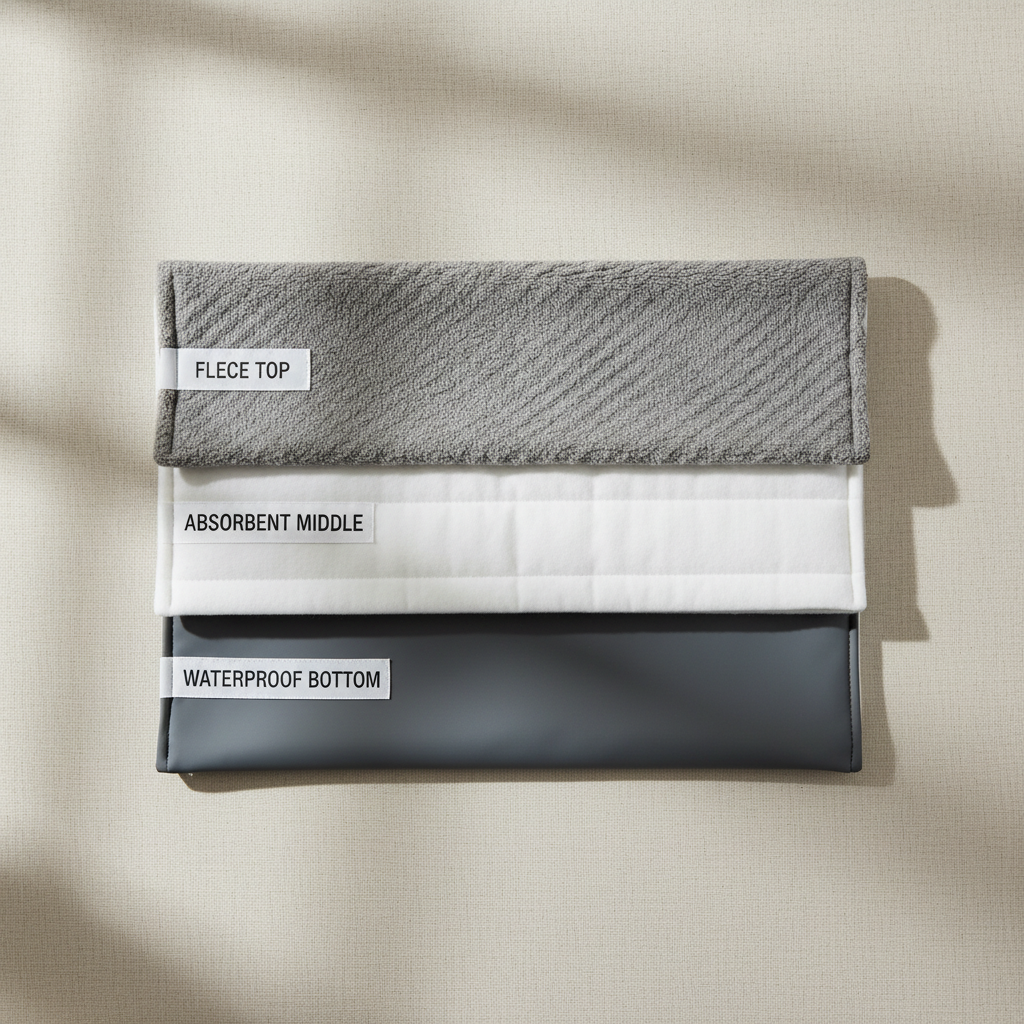
What “Waterproof Bottom” Really Means (and What It Doesn’t)
In most products, “waterproof bottom” means there’s a barrier layer intended to block liquid from reaching the cage base. Common barriers include PUL (polyurethane laminate), TPU, vinyl, or tightly woven coated fabrics.
Two quick reality checks help avoid disappointment:
- Waterproof doesn’t equal dry-to-the-touch. If the top fleece and absorbent core are saturated, the surface can feel wet even if nothing leaks through.
- Waterproof doesn’t automatically mean urine-proof at seams. Stitching, quilting lines, and binding edges can become weak points if not designed well.
According to ASPCA, guinea pigs need clean, dry housing to support overall health, and damp bedding can contribute to hygiene problems. That’s why people chase the “waterproof” promise, even though the details matter more than the word.
Why Liners Leak or Smell Even When They’re “Waterproof”
Most failures come from a few predictable patterns, and the fix depends on which one you’re dealing with.
1) Not enough absorbency above the barrier
The waterproof layer should be the last line of defense, not the first. If the middle isn’t absorbent enough, urine pools, wicks sideways, and eventually escapes at edges or seams.
- Small cages with heavy drinkers can overwhelm thin cores fast.
- “One-piece fleece” with a waterproof underside often needs extra absorbent inserts in high-traffic zones.
2) Wicking at edges, corners, and overlap points
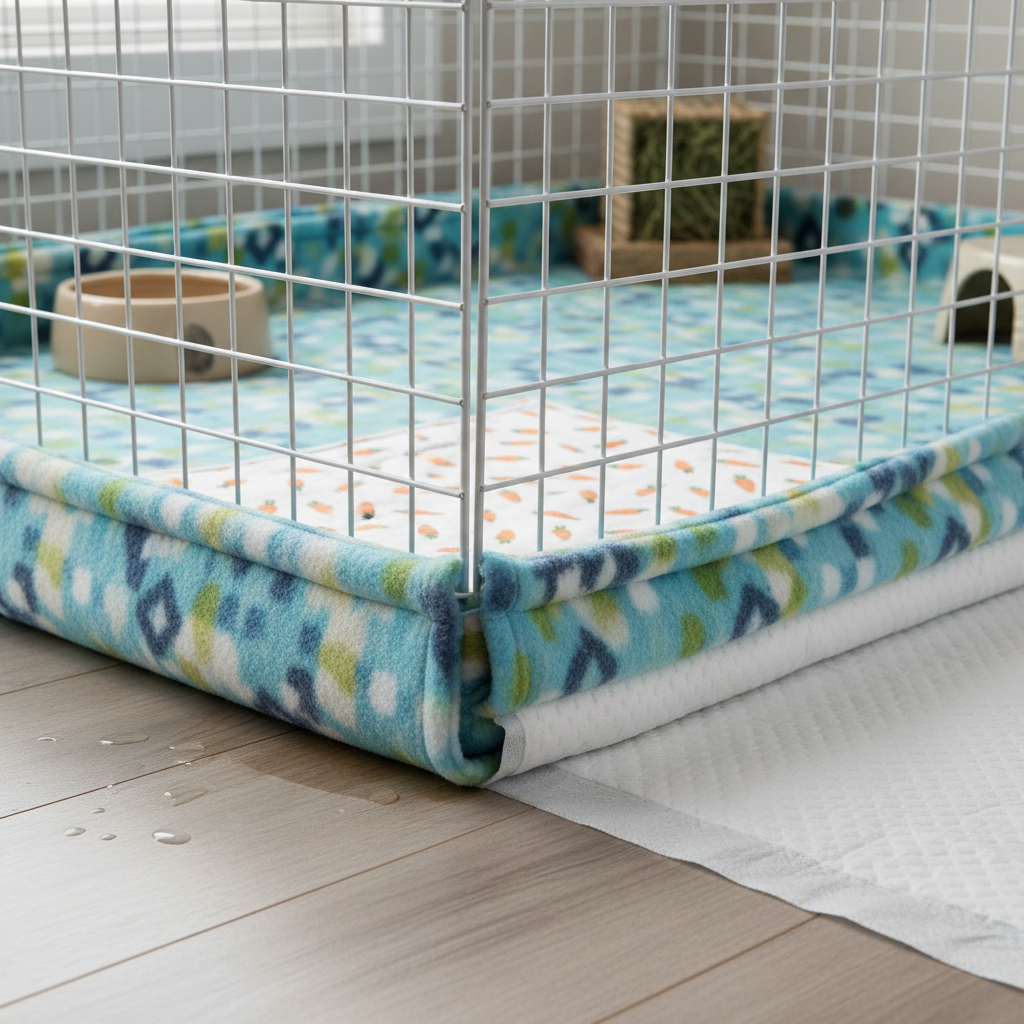
Even a solid barrier can lose to physics: liquid travels to the path of least resistance. Common culprits include liners that ride up, corners that curl, or fleece that drapes over the edge of a coroplast base and pulls moisture outward.
3) Detergent residue and fabric softener problems
Fleece works because it wicks. Residue can clog fibers and stop wicking, leaving puddles on top. Fabric softener and dryer sheets are classic wicking-killers.
4) Heat damage to the waterproof layer
PUL/TPU can degrade if dried too hot or repeatedly exposed to high heat. The liner may look fine but slowly loses its barrier performance.
Quick Self-Check: Which Problem Do You Actually Have?
If you want to fix this without buying three more liners “just to see,” do this quick check on a typical day, not right after a full clean.
- Top feels wet within hours: usually absorbency is too low, or fleece isn’t wicking due to residue.
- Cage base is damp but liner top seems OK: edge wicking, seam leaks, or undersized liner shifting.
- Smell ramps up fast: often saturation + slow drying, or laundry routine leaving bacteria-friendly dampness.
- Leaks happen after washing: heat damage, delamination, or detergent buildup changing fabric behavior.
One simple test: place a tablespoon of water on the fleece. If it beads and sits there, wicking is compromised. If it soaks through within a few seconds, the top is doing its job, and you should look at absorbency or fit next.
Choosing a Guinea Pig Fleece Liner Waterproof Bottom That Holds Up
When people say a guinea pig fleece liner waterproof bottom “works,” they usually mean three things: it wicks on top, it absorbs enough to stay comfortable between spot cleans, and it protects the cage base even in corners.
Material and build features worth prioritizing
- Barrier layer: PUL/TPU is common for reusable pet products; it’s flexible and quieter than vinyl.
- Absorbent core: multiple layers of U-Haul pad style material, cotton, bamboo, or microfiber blends can work, but thickness and drying time matter.
- Quilting: helps prevent bunching and keeps layers aligned, though excessive stitch holes can become a weakness if poorly executed.
- Binding and edge design: higher edges or snug fit reduces wicking off the side.
Size and fit (more important than it sounds)
If the liner is even slightly small, it migrates. If it’s too big, it bunches and creates channels where moisture travels. Many owners do better with a fitted style for the base plus smaller “pee pads” where the pigs camp out.
Comparing Common Waterproof Bottom Options (Table)
There isn’t one perfect material for every home. Noise sensitivity, washer/dryer setup, and how often you can change liners all push the choice.
| Option | Pros | Trade-offs | Best for |
|---|---|---|---|
| PUL/TPU-backed liner | Flexible, common in pet products, good barrier when cared for | Can degrade with high heat, seams matter | Most standard C&C cages, weekly liner rotation |
| Vinyl-backed or coated fabric | Strong waterproofing, easy wipe on underside | Stiffer, can be noisy, may trap odors if top saturates | Owners prioritizing cage-base protection above all |
| Two-piece system (fleece + separate absorbent + separate waterproof mat) | Modular, easy to replace one layer, customizable | More shifting unless clipped, more pieces to manage | High-traffic zones, mixed herds, larger setups |
| Fleece liner + targeted pee pads (with waterproof backing) | Less laundry volume, strong control where it matters | Requires daily pad rotation, pigs may move pads | Busy households that can spot-clean daily |
Practical Setup: Steps That Prevent Leaks and Cut Odor
If you want fewer surprises, set the system up so the liner doesn’t have to be “perfect” to succeed.
Step-by-step cage setup that usually works
- Anchor the base liner so corners stay flat. Binder clips (outside the coroplast) or a fitted pattern helps.
- Use smaller pads under hay areas, hideys, and the “favorite corner,” then swap those more often than the base.
- Add a kitchen/hallway runner style pad in front of water bottles if you see constant drips.
- Spot-clean daily by removing wet pads and obvious piles; this slows saturation more than people expect.
Key point: your liner can be waterproof and still smell if it stays saturated for days. Keeping the “wet zones” modular is usually the difference between manageable and miserable.
Laundry Routine: Keep the Waterproof Layer Working
A guinea pig fleece liner waterproof bottom is only as good as the washing routine. The goal is clean fibers that wick, plus a barrier layer that doesn’t get cooked.
A simple, low-drama wash approach
- Shake or brush off hay and poops before the washer, so drains and pumps suffer less.
- Skip fabric softener and dryer sheets; they often reduce wicking.
- Use a fragrance-free detergent and rinse well; residue is a common reason water starts beading on fleece.
- Dry on low or air-dry when possible if your liner uses PUL/TPU, since high heat can shorten its life.
If odor lingers even after washing, it may help to add an extra rinse or adjust detergent amount. If you’re considering disinfectants or specialty additives, it’s smart to verify pet safety and, when in doubt, ask a veterinarian because sensitivities vary.
Common Mistakes (That Look Like “Bad Liners”)
- Expecting one thick liner to replace all spot cleaning. Many households do better with a base liner plus rotating pads.
- Buying “waterproof” but ignoring stitch lines. A nice-looking quilt can still leak if design leaves water pathways.
- Letting fleece drape over the cage edge. It’s a quiet wicking highway straight to the outside.
- Overheating in the dryer. The barrier layer may fail slowly, then suddenly feel like it “stopped working.”
When to Get Professional Help (Health and Safety)
If you notice persistent urine scald, reddened feet, hair loss on the belly, or strong ammonia smell despite frequent changes, it’s not just a cleaning issue anymore. According to American Veterinary Medical Association (AVMA), small mammals benefit from veterinary evaluation when skin irritation or ongoing discomfort appears, since multiple causes can overlap. A vet can help you rule out urinary issues, pain that changes bathroom habits, or conditions that make a pig sit in wet spots longer than normal.
Conclusion: A Waterproof Bottom Helps, but the System Matters More
A good liner setup is less about hunting a magical fabric and more about pairing a reliable barrier with enough absorbency, a fit that prevents edge wicking, and a wash routine that protects wicking and the waterproof layer. If you want one next step that pays off fast, add two or three washable pee pads to your highest-traffic zones, then reassess whether the base liner still “needs” to be ultra-thick.
If you’re shopping, prioritize build quality and care instructions you can actually follow in your laundry setup, your guinea pigs will notice the difference even if the marketing labels all look the same.
FAQ
What is the best material for a waterproof bottom on a guinea pig fleece liner?
PUL or TPU is common because it’s flexible and usually holds up well with low-heat drying. Vinyl-backed options can block leaks strongly but may feel stiffer and noisier, so it depends on what you can live with day to day.
Why does my fleece feel wet even though the bottom is waterproof?
Usually the absorbent middle is saturated or the fleece top stopped wicking due to detergent or softener residue. Waterproof only stops liquid from reaching the cage base; it doesn’t guarantee a dry surface.
How often should I change a fleece liner with a waterproof bottom?
Many owners swap the main liner every 3–7 days, but it varies with cage size, pig count, and spot-cleaning habits. A practical compromise is changing small pads daily (or every other day) and keeping the base on a weekly rhythm.
Can I use puppy pads under fleece instead of a waterproof-backed liner?
You can, and it often works in a pinch, but disposable pads can shift and some have scents or gels you may prefer to avoid. If you go this route, secure them well and monitor chewing behavior.
How do I stop leaks at the corners of a C&C cage?
Corner leaks are often wicking plus liner movement. Tuck edges so fleece doesn’t hang over, use a fitted base liner or clips, and add a small waterproof pee pad in the favorite corner to catch overload.
Is it safe to use vinegar or bleach when washing guinea pig liners?
Some people use additives, but safety and effectiveness depend on concentration, rinse quality, and your pigs’ sensitivities. If you need stronger odor control, consider asking a veterinarian for guidance and always rinse thoroughly.
Why did my liner start leaking after months of working fine?
Heat damage to the barrier layer, seam wear, or gradual residue buildup are common causes. Try restoring wicking with thorough rinsing and review drying temperature; if delamination is visible, replacement may be the realistic fix.
If you’re trying to choose a guinea pig fleece liner waterproof bottom without wasting money on trial-and-error, it often helps to share your cage size, pig count, and laundry routine, then match liner thickness and pad strategy to your actual week, not an ideal one.