
Senior cat litter low tracking formula searches usually come from the same moment: you step on grit in socks, find litter trails near the box, and start wondering if your older cat’s paws, coat, or mobility make the mess harder to manage.
Low-tracking matters more with senior cats because small changes add up, older cats may visit the box more often, and some develop stiffness or balance issues that make “clean exits” less likely. The goal is not perfection, it’s a setup that keeps floors cleaner without making the box uncomfortable.
One more thing people miss: “tracking” can mean two different problems, litter that sticks to paws, and litter that gets kicked out. The best formula depends on which one you’re actually dealing with.
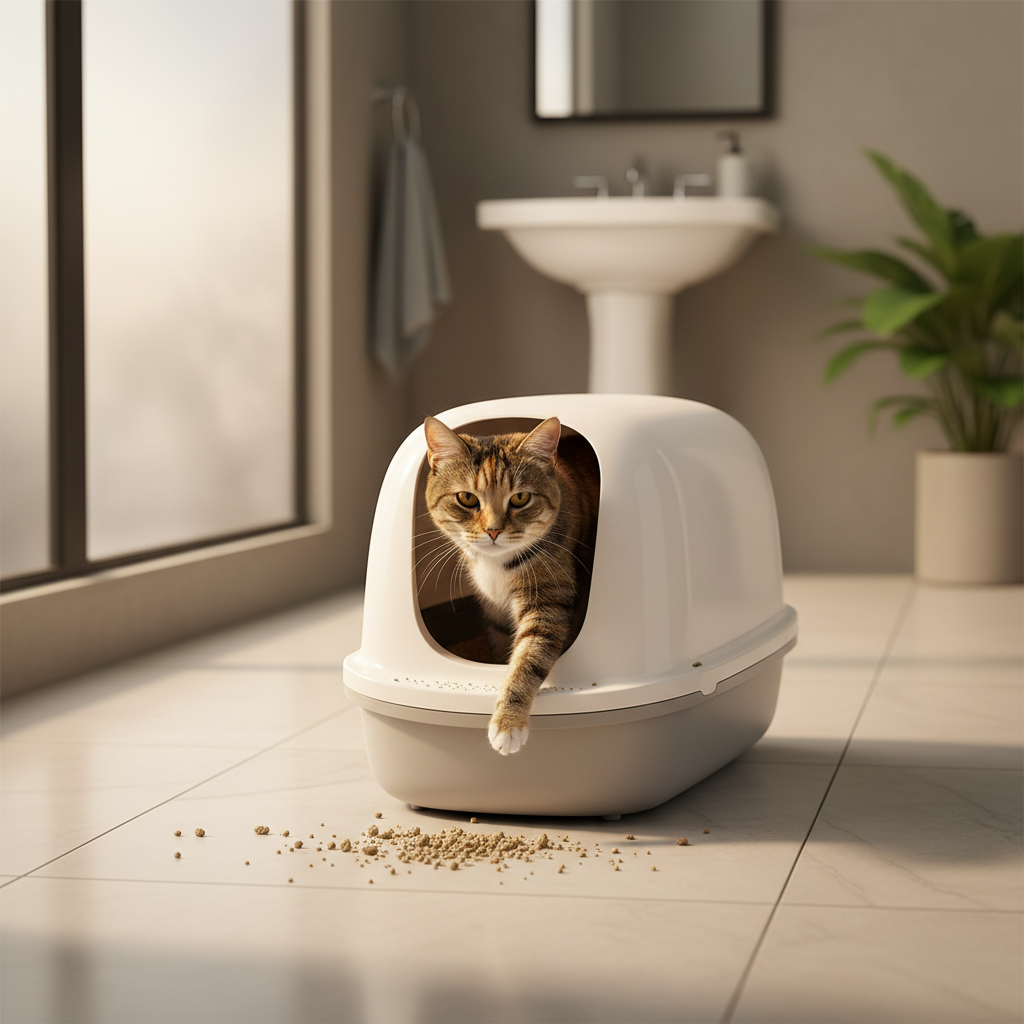
Why tracking gets worse with senior cats (the real-world reasons)
Tracking rarely comes from “bad litter” alone. With seniors, it’s usually a mix of cat factors and box factors that didn’t matter as much a few years ago.
- Coarser fur and drier pads: litter can cling more easily, especially with lighter micro-granules.
- Arthritis or stiffness: a cat may step in clumps, pivot slowly, or drag paws slightly on the way out.
- Lower aim and deeper squats: urine can wet paws or fur more often, making granules stick.
- Box entry/exit issues: high walls or narrow doors can cause awkward exits and more spillage.
- Overfilled boxes: when the litter line sits too high, cats kick more out without trying.
According to the American Association of Feline Practitioners (AAFP), mobility changes such as arthritis are common in older cats, and home setup adjustments can improve comfort. Comfort matters here because if you over-optimize for “clean floors” and the box becomes unpleasant, you risk a worse problem than tracking.
Quick self-check: what type of tracking do you have?
Before you buy anything, do a quick check for two days. It saves money and avoids a frustrating litter “carousel.”
Cling-and-carry tracking (sticks to paws/fur)
- Litter bits show up far from the box, even in bedrooms
- You notice granules stuck between toes or in long fur
- Dusty footprints appear on dark floors
Kick-out tracking (thrown out of the box)
- Most litter stays within 1–3 feet of the box
- You can see piles at the box entrance
- Your cat digs vigorously or hits the side walls
Wet-paw tracking (the sneaky one)
- Tracks look like damp spots with a few granules stuck in them
- You find small clumps outside the box
- Your cat’s back end fur seems slightly damp after use
If you’re mostly dealing with cling-and-carry, the “senior cat litter low tracking formula” is more about particle size, surface texture, and dust control. If it’s kick-out, the box setup can matter more than the litter itself.
What “low tracking formula” really means (and what to look for)
Brands use “low tracking” loosely, so it helps to translate the label into features that typically reduce trails.
- Larger granules or pellets: less likely to wedge between toes, often track less, but some cats dislike the feel.
- Low-dust processing: fewer fine particles that stick to paws and spread through the house.
- Harder clumps: reduces crumble that creates “sand” that travels.
- Less static cling: some lightweight litters cling to fur more in dry climates.
For many senior cats, a “low tracking” claim works best when it also stays soft enough underfoot. Seniors with tender joints may avoid rough pellets even if they track less, so you’re balancing cleanliness with comfort.
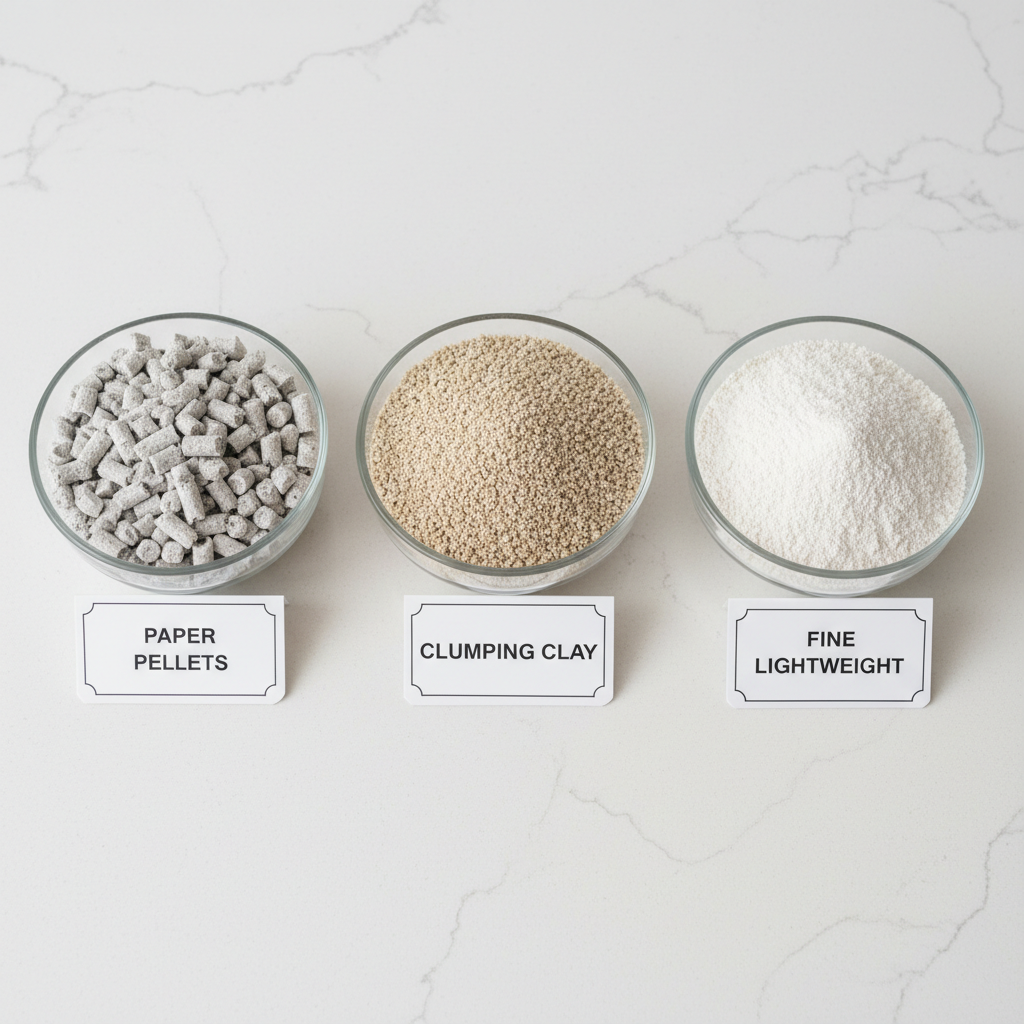
Pick the right senior-friendly litter type (with a practical table)
Below is a realistic cheat sheet. It won’t replace trial and error, but it helps you start in the right aisle.
| Litter type | Tracking tendency | Comfort for seniors | Notes for older cats |
|---|---|---|---|
| Medium-grain clumping clay (low dust) | Low to medium | Usually high | Often a good “baseline” if you choose a low-dust option and keep fill level moderate |
| Fine-grain / lightweight clay | Medium to high | High | Comfortable texture, but fine particles tend to cling and spread, especially on long-haired cats |
| Pellets (paper/wood) | Low | Varies | Often tracks less, but some seniors dislike the feel; urine output can change how it breaks down |
| Silica crystals | Low to medium | Varies | Can reduce dust and tracking, but some cats dislike crunch; monitor for paw sensitivity |
| “Hybrid” blends (clay + larger particles) | Often low | Usually medium to high | A common compromise when you want less tracking without switching to full pellets |
If your main priority is a senior cat litter low tracking formula that still feels familiar, many households do well starting with a medium-grain, low-dust clumping litter, then adjusting the box setup to tackle the rest.
Setup changes that cut tracking fast (often faster than switching litter)
People love to swap litter first, but the quickest wins usually come from the space around the box.
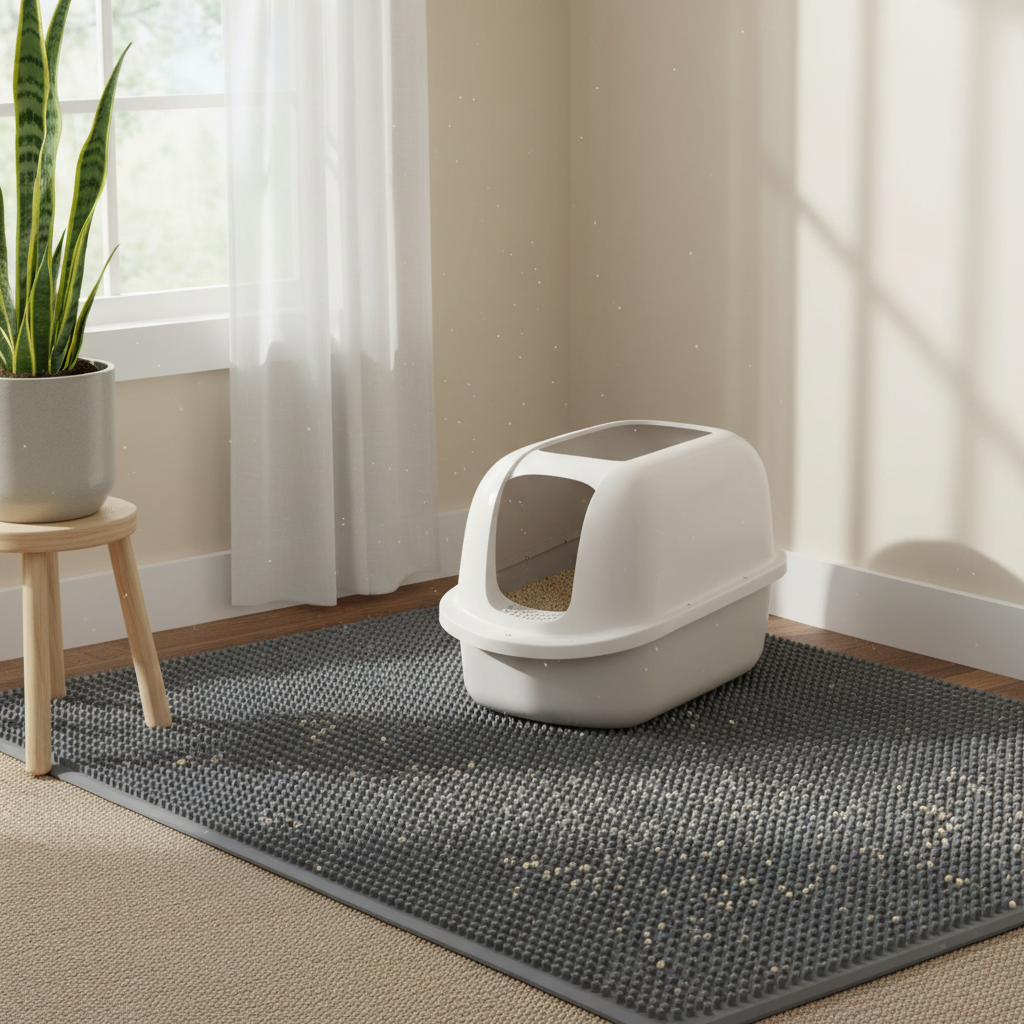
- Use a larger litter mat, not a prettier one: you want at least two full steps of “walk-off” space from the exit.
- Lower the fill height: many cats track less when you keep litter at a moderate depth (enough to dig, not enough to launch).
- Consider a low-entry box: easier for seniors, and it can reduce awkward climbing that flicks litter outward.
- Try a top-entry only if your cat is agile: for many seniors, it’s a non-starter and can create avoidance.
- Place the box on easy-clean flooring: even a small boot tray under the mat can simplify cleanup.
According to the ASPCA, many cats prefer a clean, easily accessible litter box, and changes that make the box harder to use can contribute to litter box avoidance. With seniors, “accessible” is the keyword.
Step-by-step: switching to a low-tracking option without stressing your cat
If you decide to change litters, go slower than you think you need to, especially with older cats who dislike sudden texture changes.
A gentle transition plan (7–14 days)
- Days 1–3: 75% old litter, 25% new
- Days 4–7: 50/50 mix, watch stool and box habits
- Days 8–14: 25% old, 75% new, then fully switch if all looks normal
Keep everything else stable during the change. Same box location, same cleaning rhythm, no new fragrances. If your cat starts hesitating, perching, or going less often, pause the transition and consider a softer-texture option. When in doubt, it’s reasonable to ask a veterinarian, especially if you also notice constipation, straining, or sudden house-soiling.
Mistakes that make tracking worse (even with the “right” litter)
A few habits quietly sabotage a low-tracking setup. These show up in real homes all the time.
- Chasing “zero dust” with heavy fragrance: perfumes can irritate sensitive cats, and some seniors become pickier with age.
- Letting clumps break apart: if you scoop late or scoop roughly, you create more small particles that stick and travel.
- Using a tiny box because it fits the corner: cramped boxes encourage messy stepping and more kick-out.
- Ignoring paw/coat grooming needs: long-haired seniors may need light sanitary trims from a groomer for hygiene, discuss options with a professional if matting or urine cling becomes frequent.
Also, if you’re seeing sudden tracking plus new odor or wet footprints, don’t assume it’s just litter. Seniors can develop urinary or mobility issues. According to the American Veterinary Medical Association (AVMA), changes in urination habits can be a sign of a medical problem, so it’s worth checking in with a veterinarian if anything changes quickly.
Key takeaways (so you can decide today)
- Identify the tracking type: cling-and-carry, kick-out, or wet-paw, the fix differs.
- Start with comfort: seniors may reject rough textures even if they track less.
- Medium-grain, low-dust clumping litter is often a practical first try for a senior cat litter low tracking formula.
- Box and mat setup can reduce mess more than another brand switch.
- Watch for behavior changes: sudden issues may need professional input.
You don’t need a perfect system, you need one your cat will reliably use and you won’t resent cleaning. Pick one change to test this week, usually a bigger mat or a low-entry box, then adjust the litter texture if trails still bother you.
FAQ
What is the best senior cat litter low tracking formula for arthritis?
Many arthritic cats do better with a softer underfoot texture, so a medium-grain, low-dust clumping litter is a common starting point. If pellets seem appealing for tracking, test slowly, because some cats with joint pain dislike the feel.
Why does lightweight litter track everywhere even when it says “low tracking”?
Lightweight formulas can contain finer particles that cling to paws and fur, and static can make it worse in dry homes. If trails show up far from the box, switching to a slightly heavier, medium-grain option often helps.
Do litter box mats actually work for older cats?
Yes, if the mat is big enough and placed so the cat must take a few steps on it. Seniors may step cautiously, so a stable, low-profile mat that doesn’t wobble tends to work better than thick, squishy styles.
Is dust from litter a concern for senior cats?
It can be, especially for cats with respiratory sensitivity. If you see coughing, sneezing, or watery eyes after a litter change, consider a lower-dust option and ask a veterinarian for guidance.
How often should I scoop to reduce tracking?
In many homes, at least once daily helps clumps stay intact and reduces crumbly residue that turns into tracked “sand.” If your senior cat urinates more often, you may find twice daily keeps things calmer and cleaner.
Should I switch to a covered box to stop litter trails?
Covered boxes can reduce kick-out, but they can also trap odor and feel cramped, which some cats dislike. For seniors, a roomy box with an easy entry often beats a tight hooded box, even if it means using a better mat.
My senior cat steps in wet clumps, what should I do?
First, check litter depth and box size, cramped boxes make stepping mistakes more likely. If wet paws keep happening, consider a larger box and faster scooping, and talk to a veterinarian because increased urination or mobility changes may contribute.
If you’re trying to narrow down a senior cat litter low tracking formula without buying five different bags, focus on your tracking type, your cat’s comfort signals, and one setup change at a time, it’s the most reliable way to end up with a cleaner floor and a box your cat still likes using.