
Bird bath for cage small setups often go wrong for one simple reason: the “bath” is either too big, too deep, or too hard to keep clean, so water ends up everywhere except where you want it. The fix usually isn’t complicated, but it does require picking the right style, placing it smartly, and cleaning it like a food dish, not like a toy.
If you’ve been skipping baths because they turn into a cage-washing event, you’re not alone. In small cages, a few ounces of water can soak bedding, spike humidity, and leave wet corners that smell. But regular bathing can support feather condition and comfort, especially during dry indoor seasons.
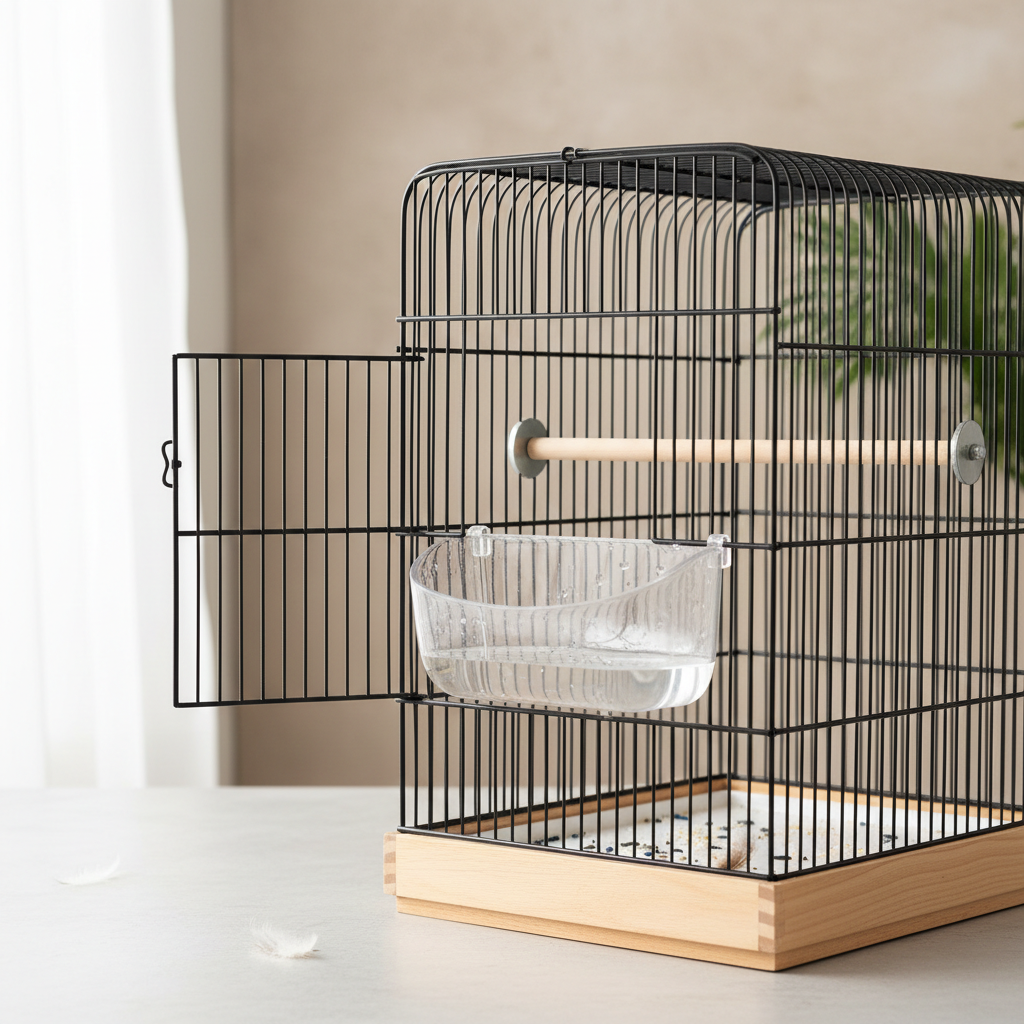
This guide helps you choose a small-cage-friendly bath, spot common hygiene mistakes, and build a routine that keeps your bird clean without turning the cage into a swamp. I’ll also flag when “just try again” is not the right call and you may want a vet’s input.
Why small cage baths get messy (and sometimes unsafe)
The biggest issue in compact setups is margin for error, there’s not much room for splashes, awkward landings, or a bowl that blocks movement. A bath that works in a flight cage can be a headache in a tighter enclosure.
- Oversized basin: your bird steps in, flaps once, and water hits walls, toys, and seed cups.
- Too much depth: many small birds prefer shallow water, deep bowls can discourage bathing or create a slip risk.
- Bad placement: baths under perches collect droppings fast, and baths near food bowls can contaminate both.
- Hard-to-clean materials: textured plastic and tight seams trap residue, biofilm can develop even when water “looks fine.”
- Unstable mounting: wobble makes birds hesitate, then they jump out quickly, which equals splash.
According to the American Veterinary Medical Association (AVMA), good hygiene and clean water are core parts of companion animal care, birds included, so “it’s just bath water” is not a great standard for a daily-use item.
Quick self-check: are you using the right bath for your bird and cage?
Before buying anything new, use this short checklist. If you hit two or more “no” answers, you’ll likely see improvement by changing the bath style or routine.
- Is the bath shallow (many small birds do better with a low water line)?
- Can your bird enter and exit easily without hopping down to the cage floor?
- Does the bath sit away from food and droppings (not under a favorite perch)?
- Is the attachment stable with no flex when your bird steps on it?
- Can you wash it fully with a brush in under 2 minutes?
- After bathing, does the cage stay mostly dry within 15–30 minutes?
Choosing a bird bath for a small cage: styles, pros, and tradeoffs
There isn’t one perfect model for every species, but in small cages, certain designs usually behave better. Here’s a practical comparison you can use while shopping.
| Bath type | Best for | Pros | Watch-outs |
|---|---|---|---|
| Clip-on shallow tub | Budgies, finches, canaries | Easy access, simple cleaning | Can splash if placed too high or too full |
| Door-mounted “bath box” (partial enclosure) | Mess-prone bathers | Reduces spray, keeps water contained | Takes door space, needs frequent wiping |
| Inside-cage bowl on a platform | Birds that dislike clip-ons | Stable, familiar “dish” feel | High contamination risk if under perches |
| Sink or shower perch (outside cage) | Owners who want zero cage mess | No wet bedding, controlled cleanup | Some birds stress outside cage, needs supervision |
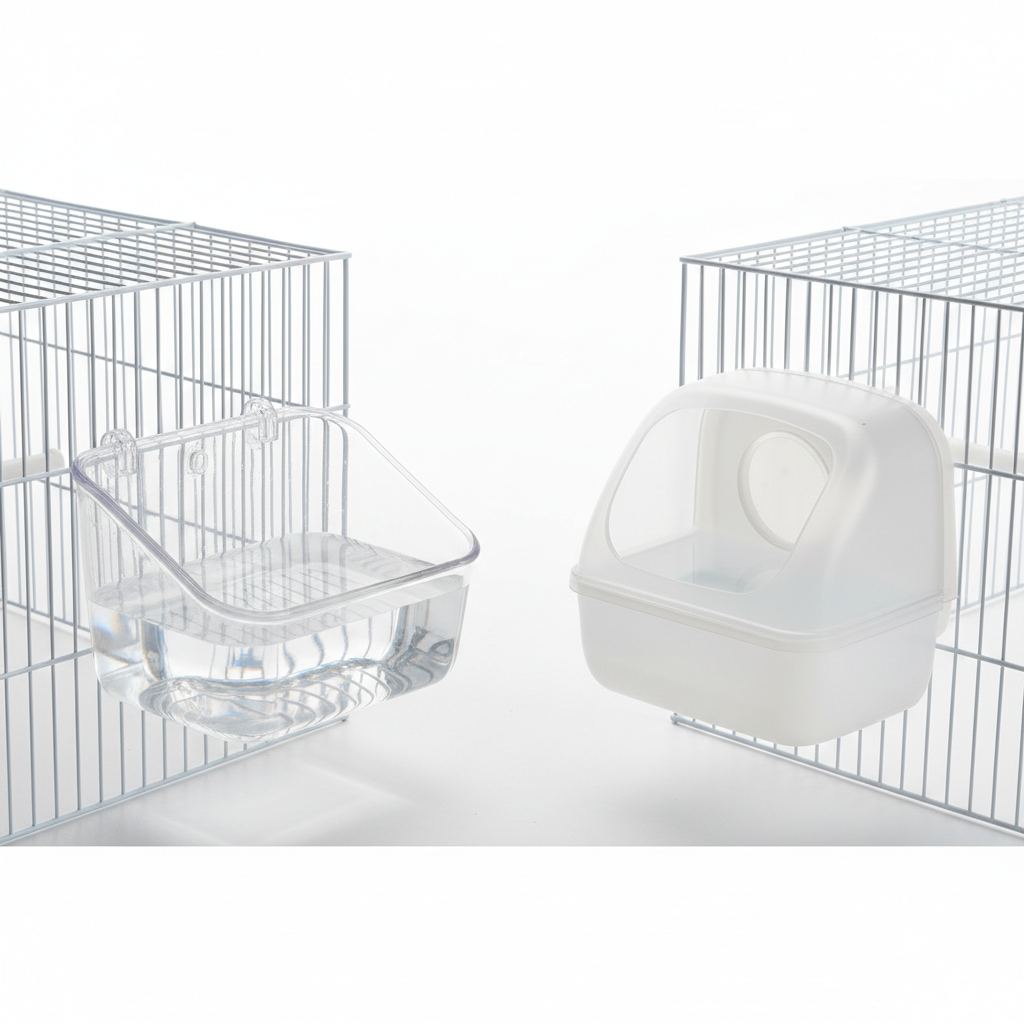
A quick sizing note: “small” is about usable space, not label size. If your bird has to squeeze past the bath to reach a perch, the bath is too big for that cage, even if the product says “small cage.”
Setup that keeps the cage clean: placement and water level matter more than you think
Most mess problems come from two choices: where the bath sits and how full it is. You can often keep the same bath and get a cleaner result by adjusting both.
Placement guidelines that work in small cages
- Mount on the side rather than dead center, so your bird can approach without bumping into toys.
- Keep it away from seed and pellets, water plus food dust turns into paste fast.
- Avoid the “favorite poop perch” zone, if droppings land in the water, swap locations.
- Place a perch slightly above and beside the bath, many birds prefer stepping down into water.
Water level: the simplest way to cut splashing
In many cases, filling the bath less is the difference between a calm dip and a full-body shake that paints the bars. Start shallow, you can always add a bit more next time.
- For many small birds, a thin layer is enough to trigger bathing behavior.
- If your bird jumps in and immediately jumps out, try lowering depth and lowering bath height.
Cleaning routine: what “clean” means for a bird bath
This is the part people underestimate, because bath water looks harmless until it doesn’t. Warm rooms, food dust, and droppings can turn a bath into a bacteria-friendly bowl.
According to the Centers for Disease Control and Prevention (CDC), regular cleaning and disinfection of pet-related items helps reduce germs in the home. You don’t need to turn bathing into a lab process, but you do need consistency.
Simple daily cleaning (fast and realistic)
- Dump water after each session, don’t “top it off.”
- Wash with hot water and mild dish soap, scrub seams with a small brush.
- Rinse until no soap smell remains, then air dry.
Weekly deeper clean (especially for textured plastic)
- Soak in warm soapy water, then scrub the corners and clip areas.
- If the item is dishwasher-safe, follow manufacturer guidance, heat can warp cheap plastic.
- Replace baths that stay cloudy, scratched, or develop odor quickly, scratches can hold residue.
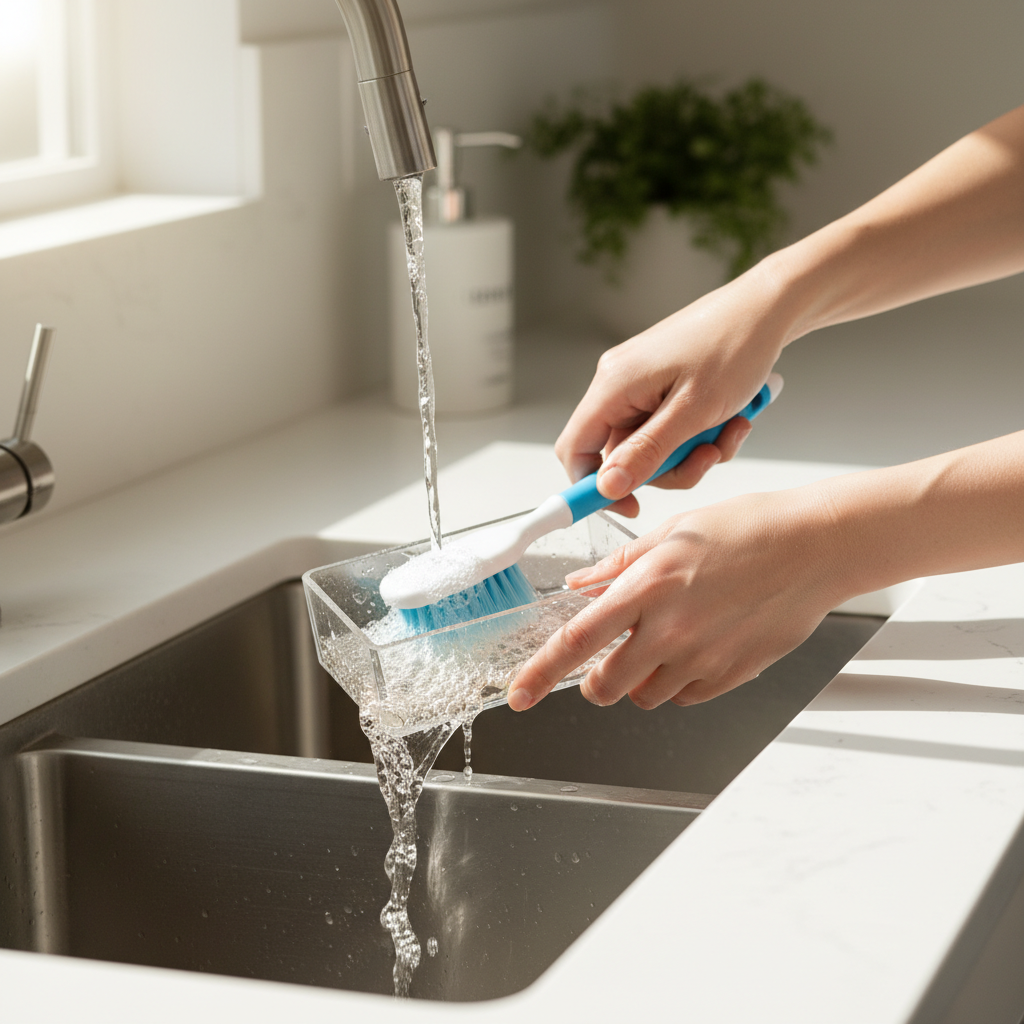
If you’re dealing with repeated slime or film, that often points to “not fully drying” or “not scrubbing seams,” not a bad bird bath for cage small choice. The boring detail is usually the real fix.
Practical solutions for common small-cage scenarios
If your bird splashes like it’s a sport
- Switch to a partially enclosed bath box or mount the bath lower to reduce splash radius.
- Offer baths earlier in the day, some birds do a calmer groom cycle before evening.
- Use less water, then offer a second short session later rather than one deep session.
If your bird refuses to bathe
- Try a different “invite,” some birds prefer wet leafy greens or gentle misting.
- Keep water lukewarm to the touch, cold water can be a quick “nope.”
- Let the bath sit empty for a day so it becomes familiar, then add a little water.
If your cage stays wet after bathing
- Move the bath away from bedding-heavy areas, or remove paper liners during bath time.
- Increase ventilation in the room, but avoid drafts directly on the bird.
- Limit bath time to 10–20 minutes, then remove the bath and let the cage dry.
Mistakes to avoid (they look convenient, but backfire)
- Leaving bath water all day: even if your bird doesn’t drink it, it collects dust and droppings.
- Using scented cleaners: residues can irritate sensitive respiratory systems.
- Putting the bath under a high perch: it becomes a “toilet bowl” fast.
- Assuming more baths always help: too frequent bathing in cool rooms can stress some birds, watch behavior and drying time.
- Forcing bathing: chasing or grabbing to “teach” a bath often creates avoidance.
When to get professional help
If bathing triggers sneezing fits, heavy breathing, repeated fluffing, or your bird seems chilled and can’t dry, pause the routine and consider speaking with an avian veterinarian. Feather loss, persistent itchiness, or scaly skin can have multiple causes, diet, mites, environment, and a bath change alone may not address it.
Also, if you notice your bird drinking bath water instead of fresh water, or avoiding the water bowl, it’s worth checking hydration habits with a professional, especially for smaller species that can dehydrate quickly.
Key takeaways and a simple next step
A clean, low-mess bath routine in a small cage usually comes down to the right shape, stable mounting, shallow water, and cleaning after every use. If you do one thing today, do this: lower the water level and move the bath away from food and the favorite perch, you’ll often see an immediate drop in mess.
If you want a smoother setup this week, pick one bath style, run it on a consistent schedule for 7–10 days, and adjust just one variable at a time, placement, depth, or timing, so you can tell what actually helped.
FAQ
What size bird bath works best for a small cage?
A shallow bath that doesn’t block movement usually works best. If your bird can’t comfortably stand, turn around, and exit without bumping bars, the bath is too large for that enclosure.
How often should I offer a bird bath in a small cage?
Many owners offer bathing a few times per week, but it varies by species, humidity, and individual preference. Watch feather condition and how well your bird dries, and adjust rather than forcing a daily routine.
Can I leave a clip-on bath in the cage all the time?
You can, but leaving water sitting all day often turns into a cleanliness problem. In small cages, it’s usually cleaner to offer the bath for a short window, then remove, wash, and dry it.
Is it okay if my bird drinks from the bath?
Occasional sips happen, but bath water can pick up debris quickly. Keep fresh drinking water available separately, and dump bath water after each session so the “bath” doesn’t become the main water source.
What’s the easiest way to keep bath water from soaking the cage bottom?
Use a shallower fill, mount the bath lower, and avoid placing it above bedding or paper. For birds that splash a lot, an enclosed bath box typically reduces spray better than a wide-open tub.
Should I use warm or cold water?
Lukewarm water is a common sweet spot. Very cold water can discourage bathing, and very warm water can be uncomfortable, if you’re unsure, aim for neutral-to-warm and monitor your bird’s reaction.
My bird won’t bathe, should I mist instead?
Light misting can work for some birds, but go slow and avoid drenching. If your bird shows stress, backing off and trying a different approach, like wet greens or a different bath location, is often more productive.
If you’re trying to find a bird bath for cage small that stays cleaner with less daily effort, look for a shallow, easy-scrub bath with a stable mount, then set it up with a low water line and a consistent cleanup routine, the “product” matters, but your setup habits usually matter more.