
Bird nail clipper for small birds shopping gets confusing fast, and the worry is real: one wrong tool or one rushed cut can cause bleeding, stress, and a bird that never trusts nail trims again.
The good news is that “safe” usually comes down to a few practical choices: the right clipper style, good lighting, controlled handling, and a clear plan for what to do if you see the quick.
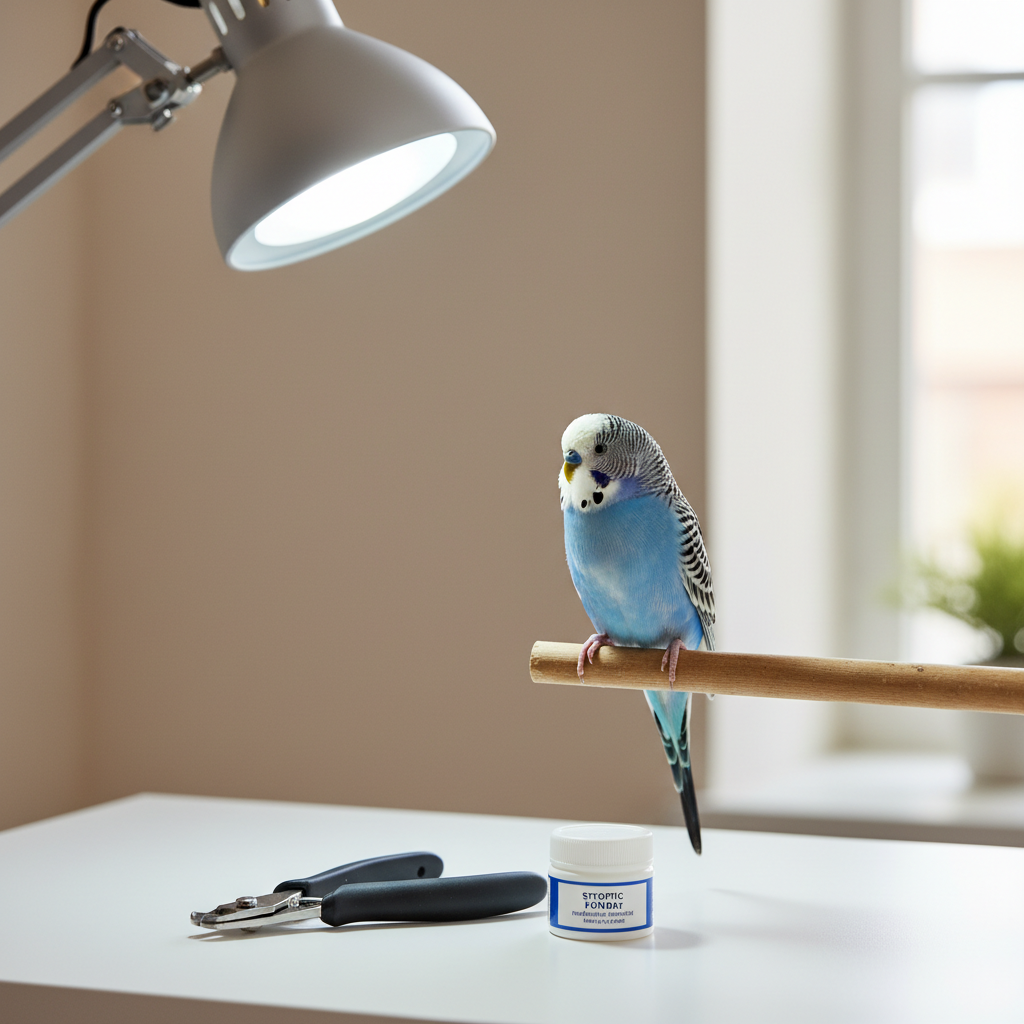
In this guide, I’ll break down what makes a clipper genuinely safer for tiny feet, how to tell if your bird even needs a trim, and a step-by-step routine that reduces the “tug and panic” moments people run into at home.
What “safe” really means for small-bird nail clippers
For small birds, safety is less about a marketing label and more about control. A tool can be sharp and still be unsafe if it’s bulky, slips, or forces you into an awkward hand position.
- Clean, predictable cut: a sharp edge that slices instead of crushing.
- Small cutting window: helps you isolate just the nail tip.
- Non-slip grip: sweaty hands happen, especially the first few times.
- Low “startle factor”: quieter tools and quicker trims often mean less thrashing.
Also, “safe” includes what happens after a mistake. Your setup should assume a nick might happen and be ready for it.
Why small birds are easier to injure (and what causes most accidents)
Tiny nails mean tiny margins. The quick, which contains blood vessels and nerves, can sit close to the tip, especially in birds that don’t wear nails down naturally.
Common accident patterns tend to look like this:
- Using cat/dog clippers that are too large, you can’t see what you’re cutting.
- Cutting at the wrong angle, the nail splinters or you take off more than planned.
- Poor restraint, the bird jerks right as pressure hits the nail.
- Rushing because you feel guilty, the trim gets sloppy.
According to the American Veterinary Medical Association (AVMA), regular veterinary care and preventive handling can support animal welfare, and for many owners, that includes learning safe grooming routines at home. If you feel uncertain, it’s reasonable to ask an avian vet or experienced technician to show you once in person.
Quick self-check: does your bird actually need a trim?
A lot of nails get clipped just because they “look long.” But in many homes, nails wear down on natural perches and daily climbing. Before you buy a bird nail clipper for small birds, take 30 seconds to check function, not aesthetics.
- Perching test: does your bird sit flat and stable, or are toes forced sideways?
- Snag test: nails catch on fabric, carpet, or your skin more than usual.
- Handling test: step-ups feel sharper, or you see tiny scratch lines.
- Overgrowth signs: nail curls, twists, or changes direction.
If you’re seeing curled nails, uneven wear, or toes that look irritated, a vet check is smart. Overgrowth can be linked to perch setup, mobility limits, or health issues, and trimming alone won’t fix the root cause.
Choosing the right bird nail clipper for small birds (plus alternatives)
There are three common tool routes. Which one is “safest” depends on your bird’s size, nail color, your steadiness, and how much your bird fights restraint.
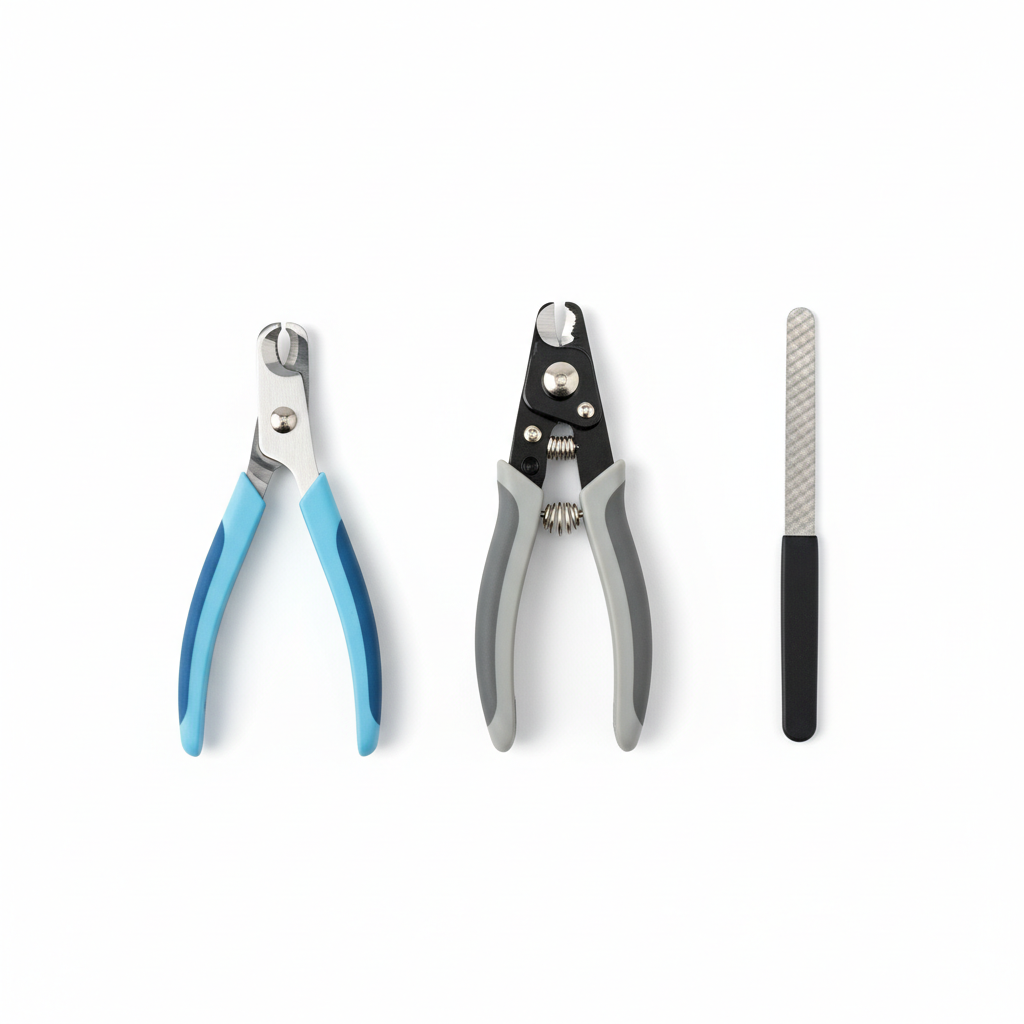
Tool comparison table
| Tool type | Why people like it | Where it can go wrong | Best for |
|---|---|---|---|
| Small scissor-style bird clippers | Good visibility, easy to control angle | Dull blades can crush/split nails | Budgies, finches, canaries, cockatiels (most homes) |
| Guillotine-style trimmers | Quick cut when alignment is perfect | Easier to misalign on tiny nails, can pinch | Some small parrots with calm handling |
| Manual nail file/emery board | Slow, controlled, less risk of hitting the quick | Takes patience, birds may hate the motion | Nervous owners, minor touch-ups |
| Rotary grinder (very low speed) | Gradual shaping, smooth finish | Noise/vibration stress, heat buildup if rushed | Some birds after training, not ideal for first-timers |
If you want the most broadly “forgiving” option, small scissor-style clippers plus a file for smoothing usually fits the widest range of small birds.
What to look for when you’re evaluating a clipper
- Blade alignment: when closed, the edges meet cleanly without gaps.
- Tip shape: narrower tips help you see the nail tip, especially on tiny toes.
- Spring tension: lighter action gives you better micro-control.
- Handle texture: rubberized grips reduce slipping.
- Easy cleaning: gunk on blades makes cuts less clean over time.
Safe trimming: a practical step-by-step routine
Bird nail trims go smoother when you treat them like a small “procedure,” not a casual chore. Set up first, trim second.
Prep (2 minutes that save a lot of drama)
- Lighting: use a bright lamp angled at the feet; shadows are the enemy.
- Stop-bleed supplies: styptic powder or cornstarch, plus cotton swabs.
- Towel: for gentle restraint, especially with wiggly birds.
- Plan your cut: aim for tiny slices, not one big chop.
According to the American Animal Hospital Association (AAHA), preparation and calm handling reduce stress in many pet care situations; the same logic applies here, even though birds have their own handling nuances.
How to hold a small bird without making it worse
Many people squeeze too hard out of fear. With small birds, that can be risky. You want secure control of the head and feet while keeping breathing unobstructed.
- Wrap the body in a towel, leaving the head out if your bird tolerates it.
- Support the head gently, avoid pressure on the chest.
- Expose one foot at a time, keep sessions short.
If your bird shows open-mouth breathing, extreme panic, or seems weak, stop and reassess. In some cases, an avian professional may be the safer route.
Where to cut (and how much)
Trim just the sharp tip, then reassess. With light-colored nails, the quick is often visible as a pinkish area. With dark nails, you usually need extra caution and smaller trims.
- Cut small amounts at a time.
- Match the nail’s natural angle, don’t flatten it.
- When in doubt, stop early and file lightly.
When things go wrong: quick bleeding, split nails, and stress spirals
Even careful owners sometimes hit the quick. It’s scary, but the response matters more than the mistake.
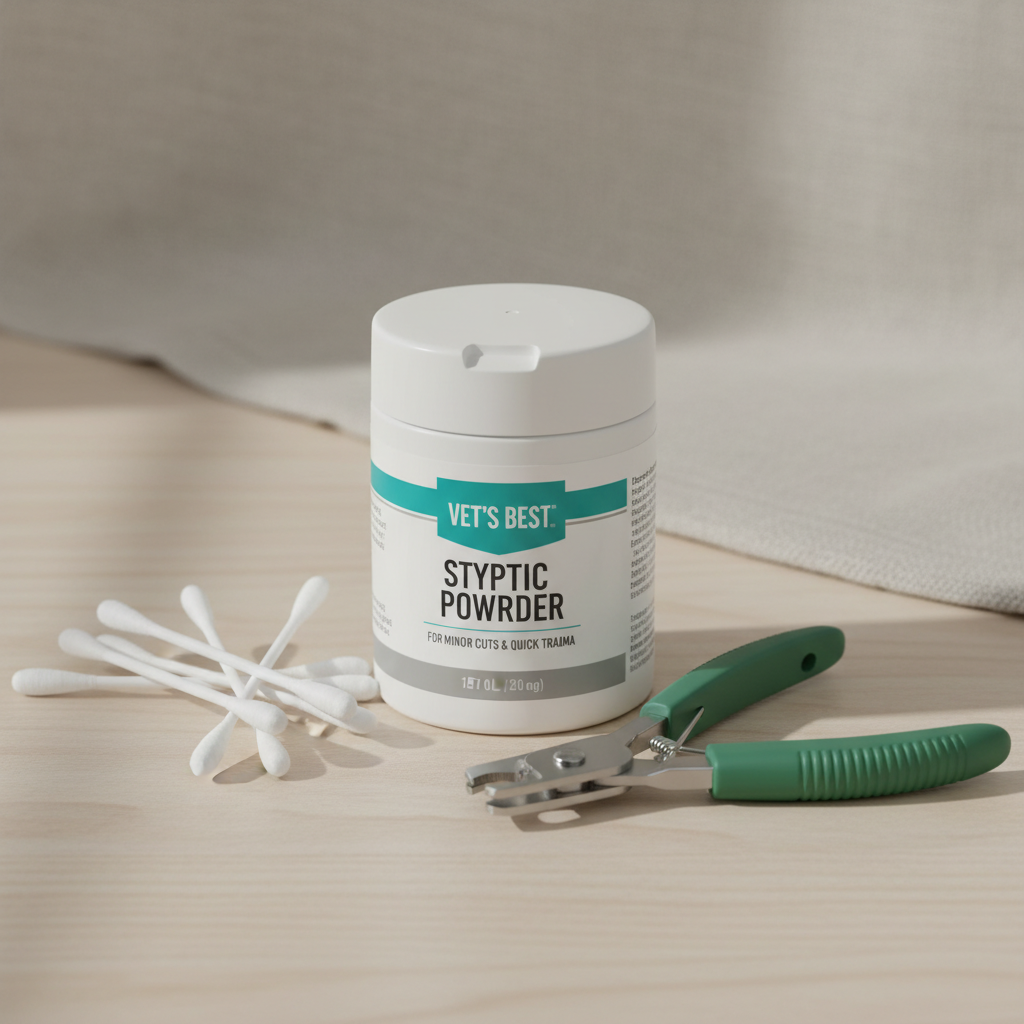
If you nick the quick
- Apply styptic powder with a cotton swab and gentle pressure.
- Keep the bird calm and warm, reduce movement for a bit.
- Monitor for continued bleeding; if it doesn’t stop quickly, contact a vet.
According to the Association of Avian Veterinarians (AAV), avian handling and medical concerns can escalate quickly due to stress in some birds; if you’re seeing ongoing bleeding, shock-like behavior, or repeated injury, a professional exam is appropriate.
If the nail cracks or splinters
- Stop cutting, assess the split direction.
- Light filing can smooth rough edges that snag.
- If the crack runs deep or the toe looks swollen, ask an avian vet for guidance.
Common mistakes that make “safe” trims harder than they need to be
- Chasing perfection: trying to make every nail identical often leads to over-trimming.
- Skipping perch fixes: uniform dowel perches can contribute to overgrowth; varied textures help many birds.
- Trimming too infrequently: long gaps mean more overgrowth, and the quick may extend farther.
- Ignoring behavior: if your bird panics, training and desensitization may matter more than the tool.
Key takeaways + a simple action plan
If you only remember a few things, make them these.
- Control beats speed: tiny cuts, bright light, steady hands.
- Choose a tool you can see through: bulky clippers are a common cause of “oops.”
- Prepare for bleeding: have styptic powder ready before you start.
- Fix the environment: better perches can reduce how often you trim.
My practical suggestion is to do a “two-nail session” first, end on a calm note, then build up. A safe routine is usually more about consistency than bravery.
Conclusion
Choosing a bird nail clipper for small birds is really choosing how much control and visibility you’ll have when your bird inevitably wiggles at the worst moment. Start with a small, sharp scissor-style clipper, set up good lighting, trim tiny amounts, and keep first-aid supplies within reach.
If your bird’s nails are dark, severely curled, or your bird becomes highly distressed during handling, it’s not a failure to book an avian vet or groomer appointment, sometimes one guided session saves weeks of struggle at home.
FAQ
What is the safest bird nail clipper for small birds at home?
For many owners, a small scissor-style clipper is safest because you can see the nail tip clearly and control the angle. “Safest” still depends on how calm your bird stays and how steady you feel.
Can I use human nail clippers on a budgie or finch?
Some people do, but it’s easy to lose visibility and crush the nail if the clipper doesn’t fit the nail width well. If you try it, make very small trims and stop the moment alignment feels awkward.
How often should I trim a small bird’s nails?
It varies by perch setup, activity level, and individual growth. A practical approach is to check every couple of weeks and trim only when nails start snagging or affecting perching.
What should I do if I cut too far and it bleeds?
Apply styptic powder (or cornstarch in a pinch) with gentle pressure and keep the bird calm. If bleeding doesn’t stop promptly or your bird seems unusually weak, contact a veterinarian.
Are dark nails harder to trim safely?
Yes, because the quick is harder to see, so you rely on smaller trims and better lighting. Many owners choose to trim just the very tip and smooth with a file instead of taking more off.
Is a nail grinder better than a clipper for small birds?
It can be, but only if your bird tolerates the sound and vibration and you use a low-speed, gentle technique. For many small birds, grinders add stress unless you train gradually.
My bird hates being held. Should I still trim at home?
If restraint triggers intense panic, it may be safer to get help from an avian clinic and work on handling training separately. Stress alone can create risk, even with a great tool.
If you’re trying to trim safely but keep getting stuck on handling, nail visibility, or choosing the right bird nail clipper for small birds, a quick check-in with an avian vet or an experienced bird groomer can be a genuinely time-saving option, even if your long-term plan is still to do maintenance at home.