
Shopping for a ferret play tent foldable portable option usually starts with one problem: you want your ferret to burn energy somewhere safe, but you also need something you can store fast, carry easily, and clean without a headache.
A good play tent can be a reliable “yes space” for supervised play, especially in apartments, shared homes, or when you visit family. But tents vary a lot, and the wrong one turns into an escape room, a chewing target, or a tipping hazard.
This guide breaks down what actually matters, how to tell if a tent fits your ferret’s habits, and how to set it up so it stays fun instead of stressful.
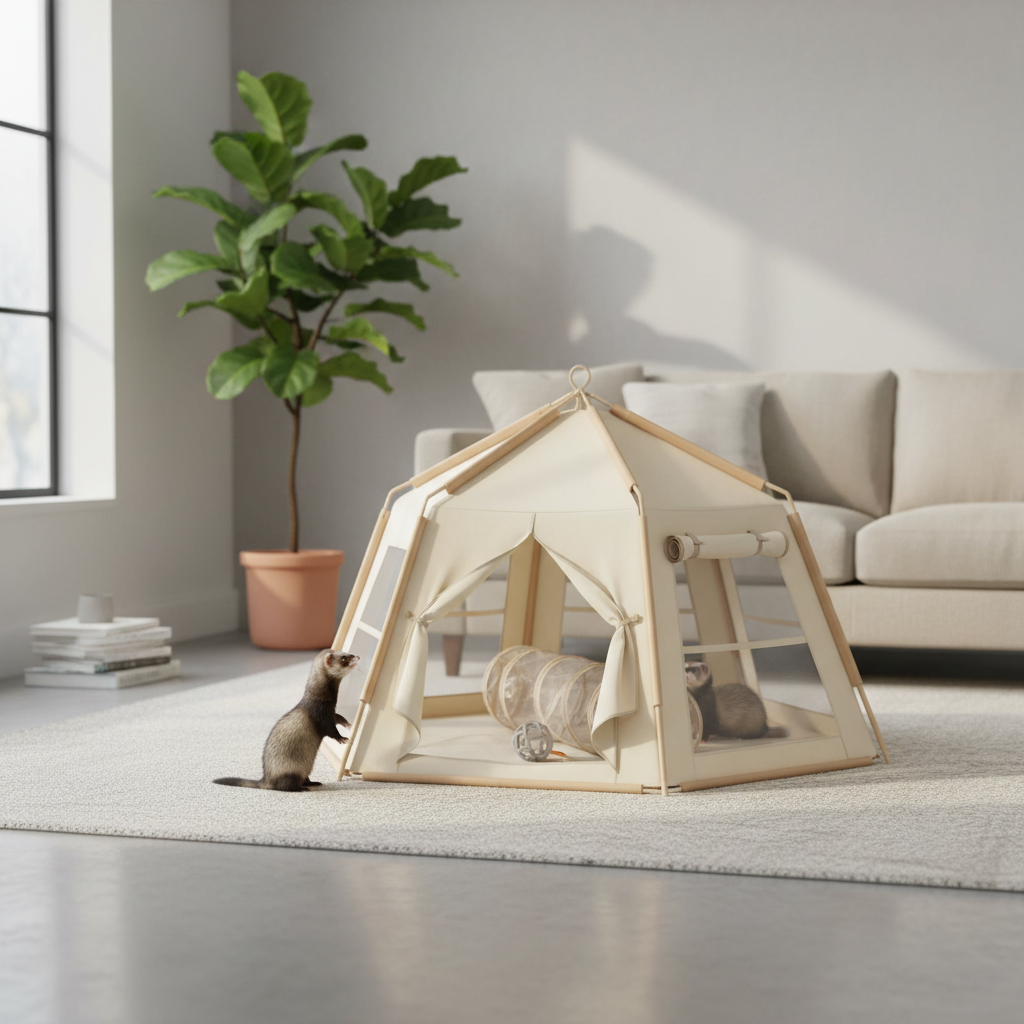
Why people choose a foldable, portable ferret play tent
Most ferret owners are not trying to replace free-roam time forever, they just need a safer “container” for specific moments. A foldable tent tends to help in these common scenarios.
- Apartment life or roommates: you want boundaries without turning the whole home into a ferret-proofing project every day.
- Travel and visits: a portable setup gives your ferret a familiar place to play under supervision.
- Multi-pet households: you may need controlled, separate play sessions for safety.
- Mess control: digging boxes, crinkle toys, and paper tunnels stay contained.
Also, ferrets often enjoy “den-like” spaces. The tent becomes a basecamp where they stash toys and pop out to explore.
What “foldable & portable” should really mean (not just marketing)
Plenty of products fold. Fewer fold well for regular use. When you evaluate a ferret play tent foldable portable model, think about the entire cycle: unfold, secure, supervise, pack, wipe down, store.
Portability checklist (quick reality check)
- One-person setup: you can pop it open and secure it in under 2 minutes.
- Flat storage: collapses to a size that fits your closet or car trunk.
- Carry option: handle or bag included, or it fits a standard tote.
- Weight and stiffness: light enough to carry, sturdy enough not to pancake when your ferret hits the side.
Foldable design details that matter for ferrets
- Frame construction: spring steel pop-up frames are convenient, but check how the ends are capped so nothing sharp is exposed.
- Seam quality: ferrets nose and paw at seams, weak stitching becomes a “project.”
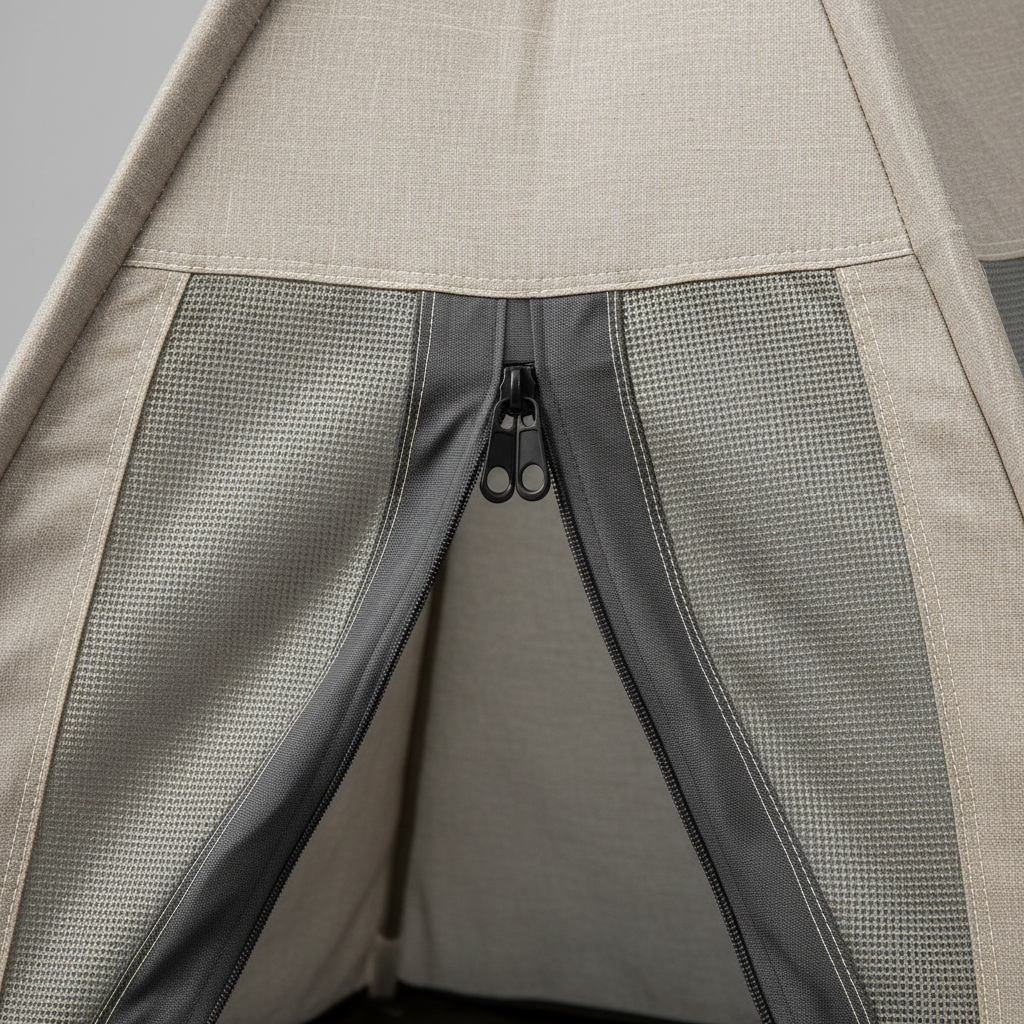
- Door design: zippers need to resist pawing, and ideally have a double-zip or clip point.
Safety first: materials, ventilation, and escape risk
Ferrets are athletic, curious, and sometimes surprisingly determined. A tent can be safe, but only if you assume your ferret will test every weak point.
According to the American Veterinary Medical Association (AVMA)... pet products should be used with safety in mind, and supervision matters for preventing accidents, injuries, and ingestion hazards. In practice, that means you treat a play tent like supervised enrichment, not a long-term “leave them in there” solution.
Key safety checks
- Ventilation: choose generous mesh coverage so heat does not build up, especially in warmer rooms.
- Chew resistance: many tents use polyester and mesh, which some ferrets may chew; if your ferret chews fabric, supervise extra closely and consider a different enclosure style.
- Small parts: avoid dangling toggles, foam edges, or plastic clips inside the play area.
- Stability: a wider base or anchor loops help prevent tipping during “war dances.”
If you suspect your ferret swallowed fabric, zipper teeth, or plastic, it can become urgent. In those cases, contacting a veterinarian quickly is usually the safer move.
How to choose the right size and layout for your ferret
Size is not only about floor space, it’s also about how you plan to use it. Some people want a compact travel pen, others want a mini obstacle course.
A simple fit guide
- One ferret, short sessions: smaller tents can work if you rotate toys and add a tunnel.
- Two or more ferrets: more space reduces “traffic jams” and squabbles over one doorway.
- High-energy diggers: prioritize floor area and a shape that stays stable when they dig hard.
Layout matters too. If there’s only one door, you may end up constantly unzipping while your ferret tries to bolt. Two access points or a tunnel port can make handling calmer.
Feature comparison table: what to prioritize
If you’re deciding between a few options, this table helps you sort “nice to have” from “non-negotiable.”
| Feature | Why it matters | Good sign | Watch out for |
|---|---|---|---|
| Mesh coverage | Airflow and visibility during supervision | Large panels, reinforced edges | Thin mesh that snags easily |
| Zipper/door security | Prevents escapes during play | Double zipper pulls, clip loop | Zippers that gap under tension |
| Floor material | Cleaning and traction | Wipeable base, no loose lining | Fabric that soaks odors fast |
| Fold mechanism | Daily usability and storage | Predictable pop-up and fold pattern | Frames that twist and crease seams |
| Anchor points | Stability on slippery floors | Loops for stakes or weights | No way to prevent sliding |
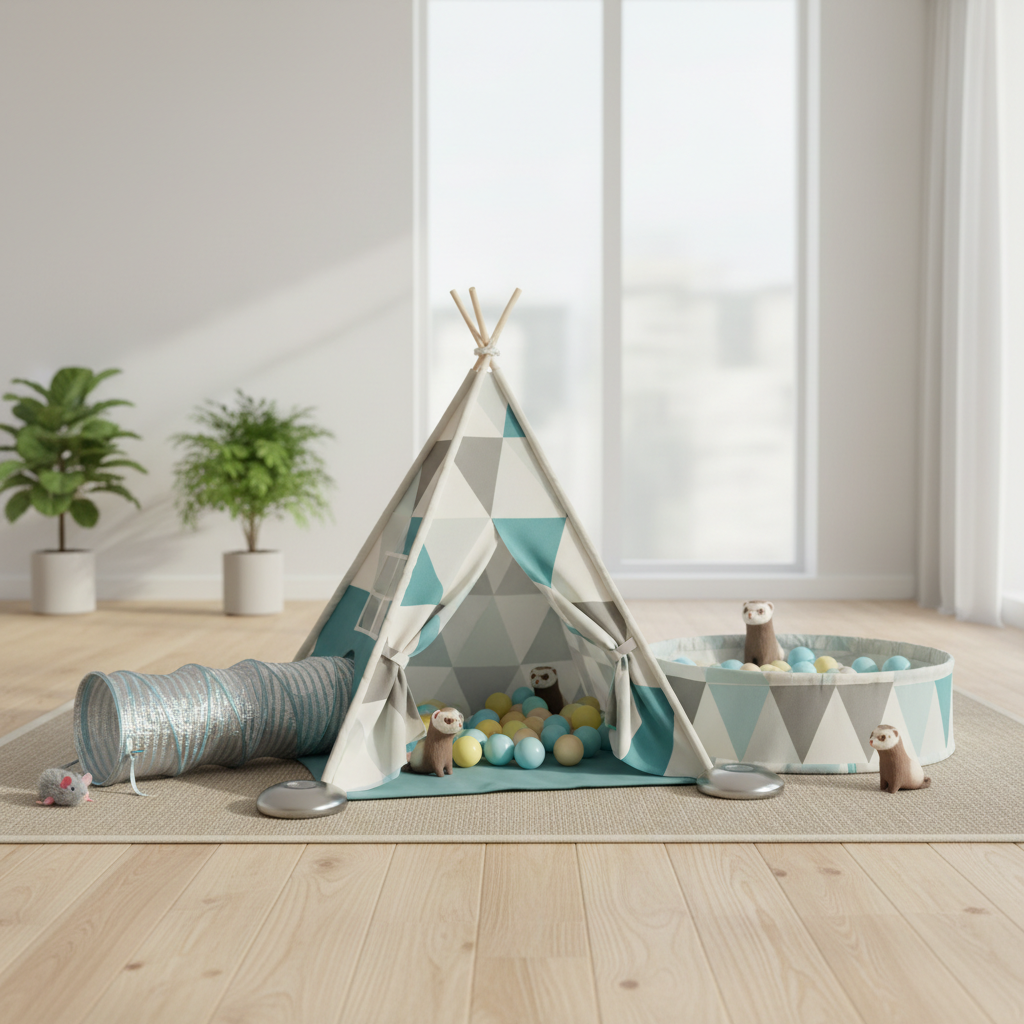
Setup that actually works: a step-by-step play routine
A tent works best when it feels predictable to your ferret and manageable for you. Here’s a routine that tends to reduce escapes and frantic scratching.
1) Place it where you can supervise without hovering
Pick a spot with good light and low foot traffic. If the floor is slippery, put a thin mat under the tent so it grips and stays quieter.
2) Add “jobs” inside (so your ferret doesn’t invent one)
- One tunnel or two tunnel sections
- A dig box with paper strips or uncooked pasta, if your ferret enjoys digging
- 2–4 small toys rotated every few days
- A soft hide or hammock-style pouch if the tent supports it
When the space is boring, many ferrets focus on the zipper seam. Giving them something better to do is not fluff, it’s prevention.
3) Use a predictable entry and exit
Open the door fully, let them go in on their own, and avoid “stuffing” them inside. At the end, lure them out with a favorite toy or treat, then close up. This simple habit often makes a ferret play tent foldable portable setup feel like a game instead of confinement.
4) Keep sessions short and end on a calm note
Many owners find 15–30 minutes is plenty, depending on age and energy. If your ferret gets overstimulated, end the session early and offer water, then switch to a calmer activity.
Cleaning, storage, and keeping it from smelling “ferret-y”
Odor control is less about perfumes and more about removing residue quickly. Tents trap oils and tiny litter bits, so a light routine helps.
- After each session: shake out debris, wipe high-contact spots with a pet-safe cleaner, and dry fully.
- Weekly: check seams and mesh for new frays, and spot-clean corners where they stash treats.
- Monthly or as needed: if the manufacturer allows washing, use gentle detergent and avoid heat that can warp the frame.
If you fold it away damp, it tends to smell faster and can develop mildew. Let it air out even if you’re in a rush.
Common mistakes (and what to do instead)
- Mistake: treating the tent like a cage. Better: use it for supervised play and enrichment, then rotate back to their normal housing plan.
- Mistake: ignoring early chewing. Better: stop the session, redirect, and reconsider the material choice if chewing continues.
- Mistake: placing it near climbable furniture. Better: keep a buffer zone so they can’t launch onto a couch and vanish.
- Mistake: overstuffing with toys. Better: fewer items, more rotation, and a clearer floor for zoomies.
Key takeaways: pick sturdy seams and secure doors, assume supervision, and design the inside to keep your ferret busy so the tent lasts longer.
When it’s time to ask a professional
If your ferret shows repeated frantic scratching, heavy panting, or obsessive chewing in a tent, it may be stress, overheating, or a behavioral pattern that needs a different approach. A veterinarian or an experienced exotic-pet professional can help you rule out medical issues and adjust enrichment safely.
Also, if you notice vomiting, lethargy, or signs of abdominal discomfort after a play session, contact a vet promptly because ingestion risks can be serious in small animals.
Conclusion: picking a tent you’ll actually use
A ferret play tent foldable portable choice pays off when it’s easy to deploy, hard to escape, and simple to wipe down. If you start with secure doors, solid seams, and enough ventilation, the rest is just matching the layout to your ferret’s personality.
If you want one action step today, do this: measure the space where you’ll set the tent and decide your “standard setup” (one tunnel, one dig option, a small rotation of toys). That one decision makes daily use feel effortless.
FAQ
- What size ferret play tent should I buy for two ferrets?
In many homes, more floor area matters more than height. Look for a tent that lets them pass each other without constant bumping, and consider two entrances or a tunnel port to reduce door guarding. - Are mesh play tents safe for ferrets that chew?
They can be risky if your ferret chews fabric or mesh aggressively. Supervision becomes non-negotiable, and you may need a sturdier enclosure style if chewing persists. - How do I stop my ferret from escaping through the zipper?
Use a double-zipper door if available, clip the zipper pulls together, and keep the tent interesting inside. Ferrets often target the exit when the space feels boring. - Can I leave my ferret in a play tent while I work?
It’s usually better to treat it as supervised playtime. If you can’t watch them, a secure, species-appropriate enclosure is the safer option, and a vet can advise if you’re unsure. - What should I put inside a portable ferret tent?
A tunnel, a dig option, and a couple of small toys are enough for most sessions. Avoid anything with loose foam, small plastic parts, or strings that could be chewed. - How do I clean a foldable play tent without damaging it?
Start with wiping and spot cleaning, and let it dry fully before folding. If washing is allowed, avoid high heat because it can warp frames and weaken coatings. - Is a foldable portable play tent good for travel with ferrets?
It can be helpful for supervised downtime in a hotel or relative’s home, as long as you also manage temperature, noise, and escape-proofing around the tent setup.
If you’re trying to choose between a few models and want a more “set it up once, use it often” plan, focus on door security and seam strength first, then build a simple inside layout you can repeat at home and on the road.