
cat food can cover reusable silicone sounds like a tiny purchase, but it fixes an annoying daily problem: half-used wet food cans in the fridge that smell, dry out, or tip over. If you’ve ever balanced a spoon over the top “as a lid,” you already know why this matters.
The good news is silicone can covers are usually simple and safe when used correctly, but the details decide whether they feel “perfect” or end up in the junk drawer. Fit, rim shape, and cleaning habits make a bigger difference than brand names.
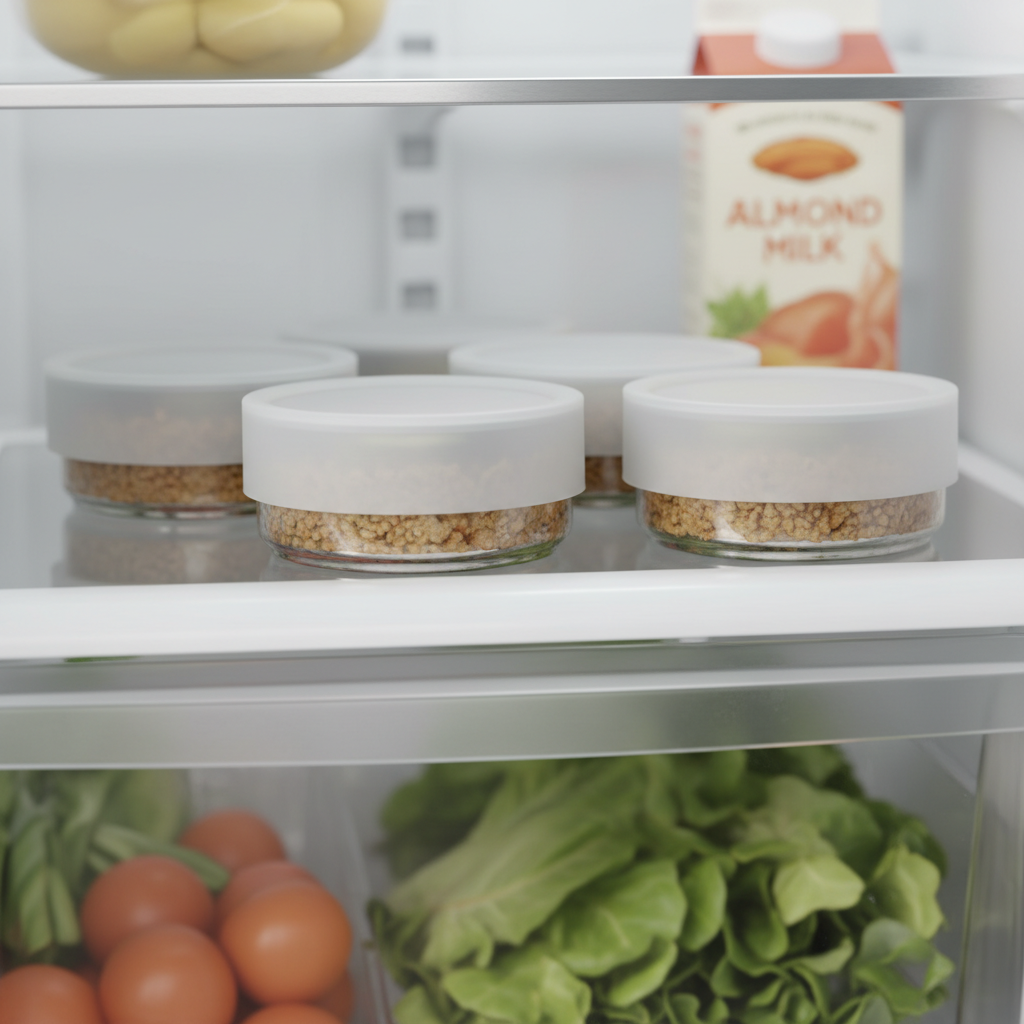
Below is a practical guide to choosing the right cover, checking safety, stopping slips, and keeping silicone from holding onto that “fridge wet food” odor. I’ll also flag when it’s smarter to replace a cover rather than keep scrubbing forever.
Why silicone can covers are popular (and where they go wrong)
Most people buy a reusable lid for one reason: they want leftover wet food to stay fresh without plastic wrap. Silicone works because it stretches, grips, and tolerates cold well.
Where things go wrong is predictable. The cover doesn’t match the can diameter, the rim has residue that breaks the seal, or the lid gets warped from heat. Another common surprise is odor retention, especially if the cover sits sealed on a can for a couple days.
- Freshness: a decent seal slows drying and fridge odors mixing.
- Less mess: fewer tipped cans and fewer drips on shelves.
- Lower waste: less single-use film, fewer dried leftovers tossed.
But a “cat food can cover reusable silicone” option is not automatically airtight, and most are not designed for long-term storage. Think of them as short-term fridge covers, not pantry-grade seals.
Fit matters more than you think: can sizes, rim shapes, and stretch
The biggest reason people dislike reusable silicone lids is simple: the cover size doesn’t match the cans they actually buy. Many sets advertise “fits most,” which is true only if your cans fall into the common middle sizes.
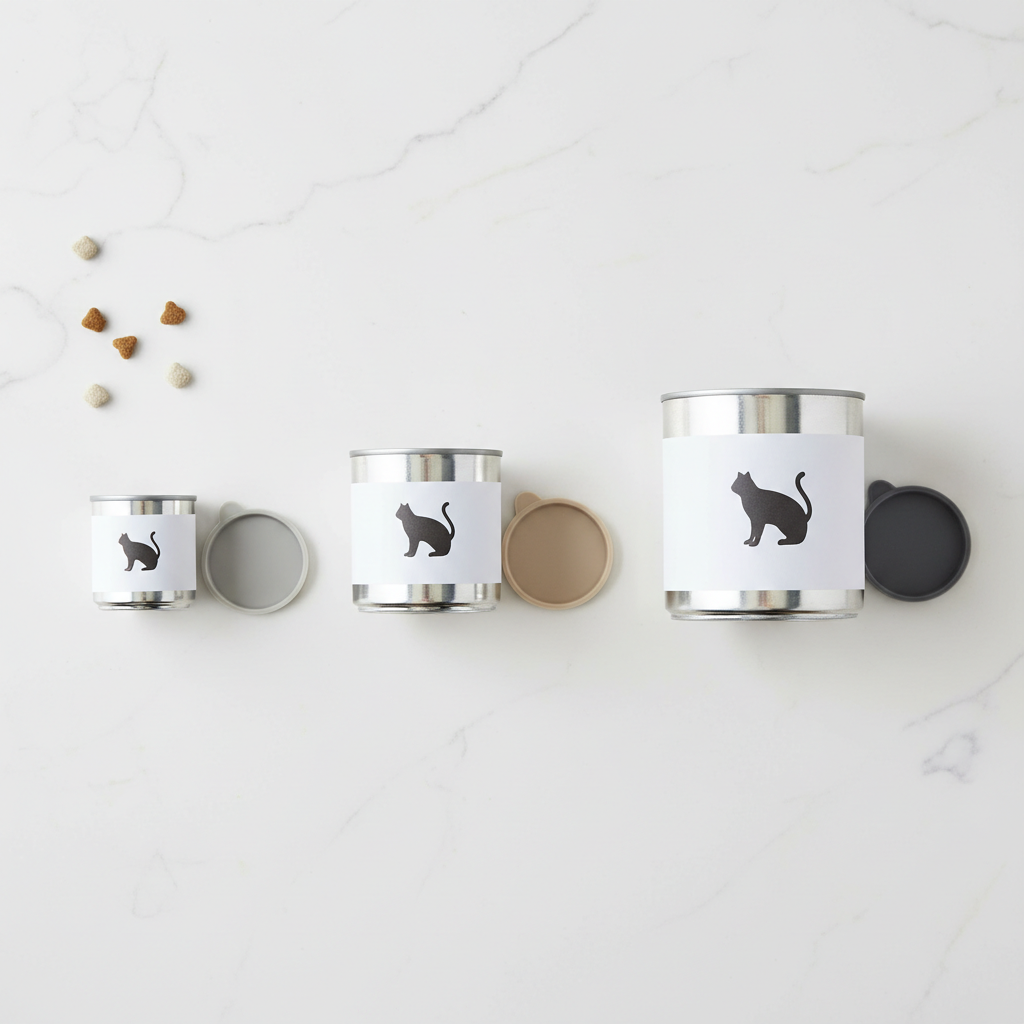
Also, not all can rims are equal. Some brands have slightly rolled edges or thicker lips, and that changes how well the silicone “locks” onto the rim.
Quick fit checklist
- Measure the can’s outer diameter across the top rim (a simple ruler works).
- If you use multiple brands, test on your most common can first.
- Prefer sets with 2–3 sizes, not a single “universal” lid.
- If the cover must stretch aggressively, it may pop off in the fridge later.
Material and safety: what to look for (without overthinking it)
If you’re putting a cover directly on food, you want reasonable confidence in the material. According to the U.S. Food & Drug Administration (FDA), silicone can be used in food-contact applications when it complies with applicable regulations for food contact substances; product quality and compliance still vary by manufacturer.
Practically, you’re looking for clear labeling and predictable performance. A strong smell right out of the package, excessive oily residue, or easy tearing are red flags.
Good signs when shopping
- Food-grade silicone stated clearly on the packaging or listing.
- Temperature guidance (refrigerator/freezer safe is typical).
- Thicker edges or a defined inner lip that grips the rim.
- Clear care instructions, including dishwasher guidance.
If your household has a cat that’s immunocompromised or on a special diet, it’s reasonable to be extra cautious about cleaning routines and storage time, and if you’re unsure, consider asking a veterinarian about safe storage practices for wet food.
How to get a better seal (and stop the lid from slipping)
Even a well-sized cover can slide if the can rim is greasy or if the silicone surface has film buildup. The fix is usually boring, but it works.
Steps that usually improve sealing
- Wipe the can rim before sealing, especially if food touched the edge.
- Press down around the circumference, not just the center.
- Store the can upright on a flat surface, not wedged at an angle.
- If your fridge shelf is slick, place the can in a small bowl to stabilize it.
If the cover pops off overnight, it often means one of two things: the lid is slightly too small and under tension, or the rim has residue that lets it creep. In both cases, changing your routine beats buying a third set.
Cleaning and odor control: keeping silicone from smelling like wet food
Odor is the most common complaint with a reusable silicone lid. Silicone is generally non-porous, but smells can cling to surface oils and microscopic residues, especially after repeated use.

Start with the basics: wash soon after use. Letting the lid sit sealed on a can for days gives odors time to settle in, and it’s harder to remove later.
Deodorizing options (pick one, don’t do everything)
- Hot soapy wash with extra friction around the inner lip and rim groove.
- Dishwasher if the product says it’s dishwasher safe, top rack tends to be gentler.
- Baking soda soak (water + baking soda) for lingering smells, then rinse thoroughly.
- White vinegar rinse can help cut film, followed by a full wash so vinegar odor doesn’t linger.
Avoid harsh abrasives that rough up the silicone surface. Scratched silicone can become harder to keep clean over time.
Storage time: how long is “safe enough” for opened wet food?
This is where people want a single rule, but real life depends on your fridge temperature, how clean the can rim is, and whether the food was left out before refrigerating. According to the American Veterinary Medical Association (AVMA), pet food should be handled with basic food-safety practices, and refrigerated after opening; many manufacturers also provide specific guidance on their labels.
In many households, opened wet food is used within a day or two, and a silicone cover helps keep it from drying out. If you routinely keep opened cans longer than that, it’s worth checking the pet food label and using your vet’s guidance for your cat’s situation.
Practical storage habits that reduce risk
- Refrigerate leftovers promptly after serving.
- Use a clean spoon each time, don’t “double dip” with a used utensil.
- Label the can with the date if you have multiple pets or diets.
- Let refrigerated food warm slightly before serving if your cat refuses cold food, but don’t leave it out for extended periods.
Quick comparison table: silicone can covers vs other options
If you’re deciding whether a cat food can cover reusable silicone set is worth it, this table helps you match the choice to your routine.
| Option | Best for | Pros | Cons |
|---|---|---|---|
| Reusable silicone can cover | Daily fridge leftovers | Easy to use, low waste, fits multiple cans (with right sizes) | Can hold odors, not always airtight, fit varies by can |
| Plastic can cap (rigid) | Same brand/can size repeatedly | Often tighter seal, less odor retention | Limited sizes, can crack over time |
| Transfer to sealed container | Longer storage or picky cats | Better sealing options, easier to label/date | More dishes, takes more fridge space |
| Plastic wrap / foil | Occasional use | Always “fits” | Wasteful, can leak, easy to forget in fridge |
Key takeaways and a simple buying checklist
If you only remember a few points, make them these. They save time, money, and that lingering fridge smell.
- Choose for your cans, not for the listing photos: measure rim diameter and buy a set with multiple sizes.
- Seal success is mostly cleanliness: wipe the rim and press around the edge.
- Odor control is about timing: wash soon after use, don’t let lids sit dirty.
- When in doubt, transfer: if storage runs long, containers often work better than can covers.
A decent cat food can cover reusable silicone set should feel slightly snug, not stretched to the limit, and it should clean without leaving a stubborn film.
When to replace a silicone cover or ask for professional guidance
Silicone is durable, but it’s not immortal. Replace the cover if it tears, becomes sticky, develops a persistent off-odor that cleaning won’t fix, or no longer grips the rim consistently. Those are usually signs the material degraded or the surface has buildup you can’t fully remove.
If your cat has recurring GI issues, a weakened immune system, or you’re managing prescription diets, it’s smart to be conservative about storage times and handling, and to ask your veterinarian for personalized guidance. Food safety recommendations can vary by health status and diet type.
Conclusion
A cat food can cover reusable silicone solution works best when you treat it like a small system: correct size, clean rim, quick wash, and realistic storage time. Do that, and you get fresher wet food, fewer fridge smells, and less mess without adding much effort.
If you want a simple next step, measure the cans you actually buy this week, then pick a multi-size set and commit to rinsing the lid right after serving. That one habit changes the whole experience.
FAQ
Do silicone cat food can covers keep food fresh as well as a container?
Usually not. Many silicone lids reduce drying and block odors, but a sealed container often performs better for longer storage, especially if the lid fit is slightly loose.
Why does my silicone lid smell even after washing?
Most of the time it’s leftover surface film in the rim groove. Try hotter water, more friction on the inner lip, or a baking soda soak, then rinse well and air-dry fully.
Is it okay to store an opened can with a silicone cover for several days?
It depends on label guidance, fridge temperature, and your cat’s health. Many people aim to use leftovers within a short window; for longer storage, transferring to a clean container and following your vet’s guidance is a safer bet.
My cover keeps popping off in the fridge, what should I do?
Check for grease on the rim first, then confirm you’re using the correct size. If the lid is under heavy stretch, it can slowly creep off; a slightly larger size usually holds better.
Can I put reusable silicone can covers in the dishwasher?
Often yes, but only if the product states it’s dishwasher safe. Top rack is typically gentler, and it helps reduce odor buildup compared with quick rinses.
Are silicone can covers safe around pets that chew things?
They’re not toys. If your cat chews silicone, store covers out of reach and replace any cover with bite marks, since damaged edges can become a choking risk.
Should I buy a “universal” lid or a set with multiple sizes?
A multi-size set is usually more reliable. Universal lids can work, but fit is the whole game, and “one size fits most” can be frustrating if your cans run small or large.
If you’re deciding between a few options, it helps to list the can sizes you buy most and pick a cover set that matches those exact rims, then build a quick rinse-and-dry routine so the lids stay clean and odor-free with minimal effort.