
The best pet water fountains for cats solve a pretty specific problem, many cats ignore still water, then you worry about hydration, urinary health, and that sad half-full bowl you keep refreshing.
If you have ever bought a fountain that turned into a slimey science project, got too loud at night, or became a weekly disassembly ritual, you already know the hard part is not “buying a fountain,” it is choosing one that fits your cat and your routine.
This guide focuses on what tends to matter in real homes, cleaning time, filter availability, noise, splash control, and whether a unit can survive curious paws. I will also call out common traps, like undersizing capacity or picking a design with hidden crevices.
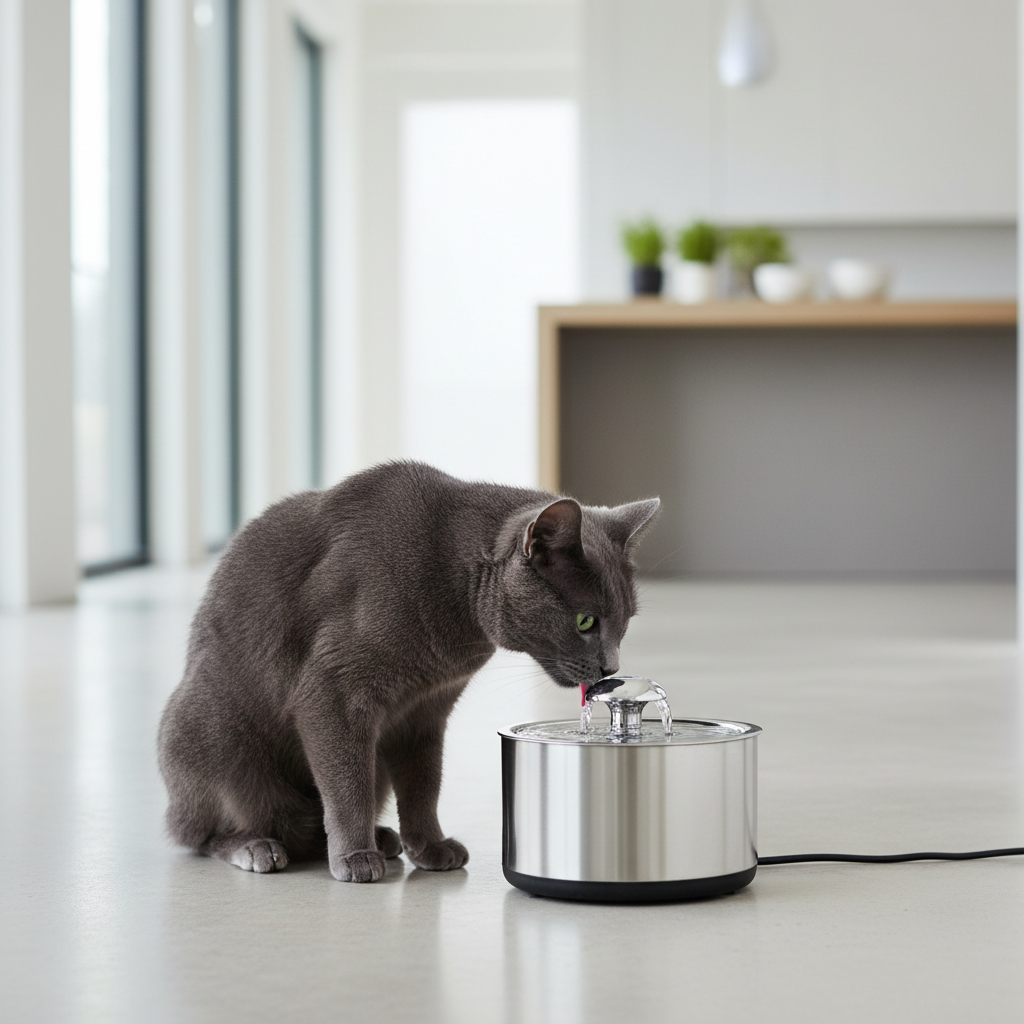
One safety note up front, hydration concerns can overlap with medical issues, so if your cat suddenly drinks far more or far less than usual, or shows urinary signs, it is smart to check with a veterinarian. According to American Veterinary Medical Association (AVMA), routine veterinary care helps catch health changes early.
What actually makes a fountain “best” for cats in 2026
“Best” is rarely one universal model, it is usually the best match between your cat’s preferences and your tolerance for maintenance. In many households, these factors make or break satisfaction.
- Material and surface finish: Stainless steel and ceramic often feel easier to keep odor-free, many plastics are fine but can scratch over time, and scratches can hold biofilm.
- Cleaning access: Wide-open basins and fewer tiny channels matter more than fancy features. If you cannot reach it with a brush, it will annoy you later.
- Noise profile: Pump hum plus water trickle. Quiet rooms at night make small noises feel bigger.
- Filter ecosystem: Price and availability of replacement filters, and whether you can buy them in bulk without hunting.
- Flow style: Some cats like a gentle stream, others prefer a calm pool. Shy cats often do better with low-flow designs.
- Stability and splash control: “Play” cats will tip, paw, and spill. A heavier base and low center of gravity help.
According to FDA, pet food and water-contact surfaces should be kept clean to reduce contamination risks, which is a polite way of saying your fountain needs to be easy to wash, not just nice to look at.
Quick self-check: which fountain type fits your cat and home?
If you want to narrow options fast, match your situation to the most likely “win” category. You can still buy any style, but this reduces regret.
- Multi-cat home: Look for higher capacity, stable base, and easy-to-clean reservoir. Higher flow is fine if splash stays controlled.
- Small apartment, quiet sleeper: Prioritize low-noise pumps, low-flow “bubbling” tops, and anti-vibration feet.
- Cat with chin acne history: Many owners prefer stainless steel or ceramic, plus frequent cleaning. A vet can advise if acne persists.
- “I hate cleaning” schedule: Choose simple geometry and dishwasher-safe parts when possible, fewer tubes and hidden chambers.
- Playful paw-dipper: Heavier stainless base, lower splash, wider footprint, and a cord layout they cannot yank.
- Travel or backup needs: Consider a simple bowl-style fountain, or keep a second pump on hand.
Top picks table: best pet water fountains for cats (by scenario)
Instead of pretending there is one perfect choice, here is a practical shortlist by use case. These are “types” and features to shop for, not a promise that every brand performs the same.
| Best for | What to look for | Why it works | Watch-outs |
|---|---|---|---|
| Easy cleaning | Stainless or ceramic, open basin, minimal seams | Less grime in crevices, faster weekly wash | Ceramic can chip if dropped |
| Quiet bedrooms | Low-noise pump, low-flow top, anti-slip feet | Less nighttime hum and splash | Low water can increase noise, keep level topped |
| Multi-cat households | 80–135 oz range, stable base, easy refill | Fewer refills, less competition | Big tanks still need regular cleaning |
| Hard water areas | Good filtration, easy descaling access | Reduces mineral buildup and odor | Filters add ongoing cost |
| Picky drinkers | Adjustable flow, shallow drinking area | Lets you experiment without buying twice | Very high streams can scare timid cats |
| Value buyers | Common filter sizes, readily available pumps | Lower long-term cost, easier replacements | Cheapest units may be harder to deep-clean |
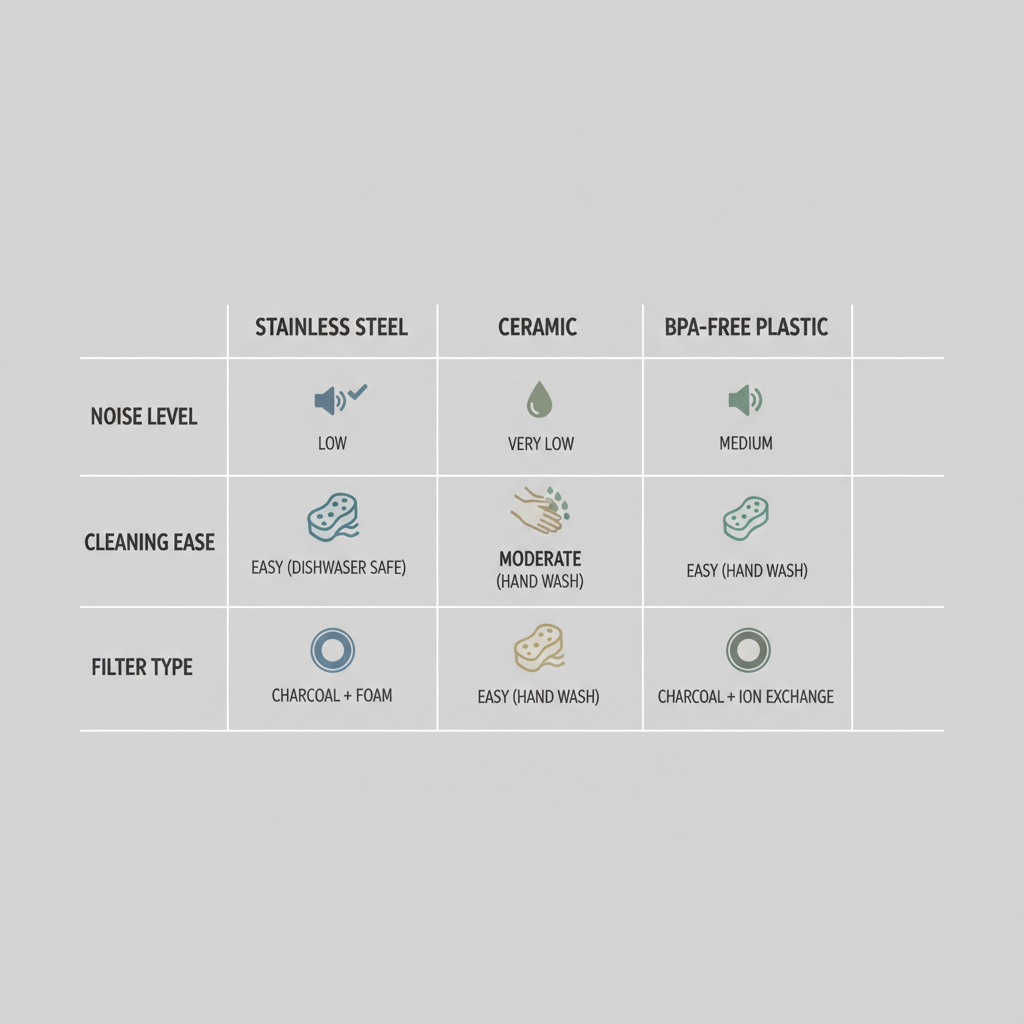
If you are shopping online, treat the table as a checklist you apply to the listings, then verify with recent reviews for noise and cleaning, because pumps and plastics can change between production runs.
How to evaluate filters, pumps, and water taste without overthinking it
Most cats do not care about marketing terms, they react to smell, taste, and whether the fountain feels safe. Focus on these practical points.
Filters
- Activated carbon often helps with odor and taste, especially if your tap water has chlorine notes.
- Foam pre-filters catch hair and crumbs, they reduce pump clogging more than they “purify” water.
- Multi-stage cartridges can help in hard water areas, but you still need to descale the unit.
Many manufacturers recommend changing filters every few weeks, but real-world timing varies with water quality and how many cats use it. If water starts smelling “stale” sooner, that is your signal, not the calendar.
Pumps
- Noise depends on pump quality and water level, a good pump can still sound loud when the basin runs low.
- Serviceability matters, look for pumps you can open and scrub, not sealed black boxes.
- Power should match design, an overpowered pump can create splash and stress some cats.
According to American Animal Hospital Association (AAHA), changes in drinking habits can be a sign of health issues, so if you are buying a fountain because your cat suddenly drinks more, consider also asking your vet what to watch for.
Setup and transition tips that make cats actually use the fountain
Even the best pet water fountains for cats can fail if the rollout feels weird to your cat. A few small moves usually help.
- Start near the old bowl, same spot for a few days, then move slowly if you want a different location.
- Run both options at first. Some cats need a “no pressure” period.
- Keep the stream low in week one, then increase only if your cat seems curious.
- Use familiar water, whatever you normally give. If you switch to filtered water at the same time, you change two variables.
- Reward investigation with calm praise or a small treat, but do not hover.
If your cat keeps pawing at it, try a silicone mat under the fountain and reduce the water height if splash invites play. If the cat seems startled, lower flow and move it away from noisy appliances.
Cleaning routine: the realistic schedule that prevents slime and smell
This is the part listings rarely emphasize. Most fountain complaints trace back to inconsistent cleaning, or designs that fight you.
- Daily or every other day: Rinse the top, wipe the drinking surface, refill to the recommended level so the pump does not run dry.
- Weekly: Wash reservoir and spouts with dish soap, scrub seams, rinse thoroughly, clean the pump impeller chamber.
- Every 2–4 weeks: Replace or refresh filters based on water smell, visible debris, and manufacturer guidance.
- Monthly or as needed: Descale with a pet-safe approach if you see mineral buildup. Follow the brand instructions and rinse well.
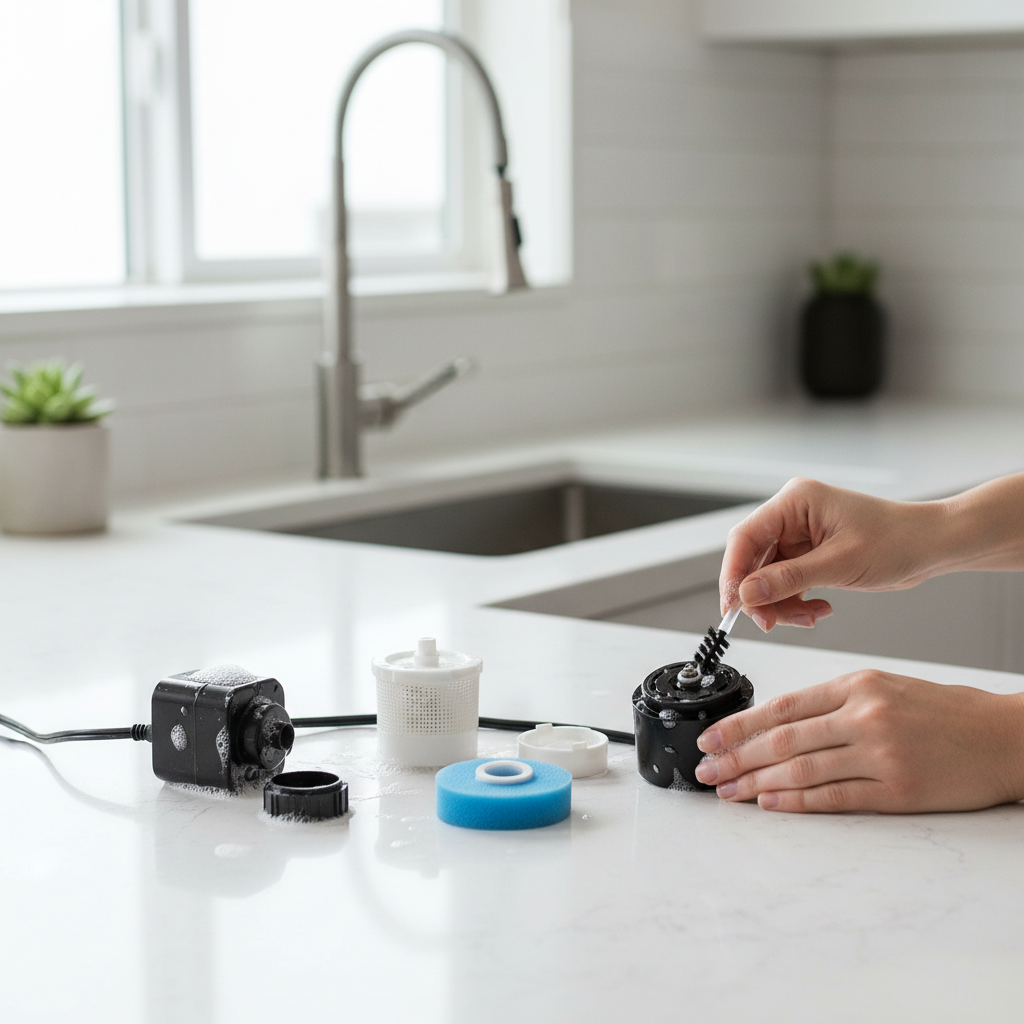
One more thing people miss, if you use a dishwasher, heat and detergents can shorten the life of some plastics and gaskets. If a model is labeled dishwasher-safe, it usually means the main parts, not always the pump.
Common mistakes buyers make (and how to avoid them)
These come up again and again, and they are avoidable if you know what to look for.
- Buying too small: A tiny reservoir forces frequent refills, and low water makes pumps louder and less reliable.
- Ignoring filter availability: If replacements are hard to find, the fountain becomes a paperweight fast.
- Choosing “pretty but fiddly” designs: Decorative towers and narrow tubes can trap grime, especially in warm climates.
- Assuming stainless always means quiet: Material helps with cleanliness, but noise comes from pump, vibration, and water level.
- Not planning for cord safety: Cords near water invite chewing and pulling, route them cleanly and consider cord covers.
If your cat is elderly, has mobility issues, or shows signs of pain when bending, consider a lower lip height and a stable, non-slip base. In ambiguous cases, it helps to ask a veterinarian what fountain height and placement might suit your cat.
Conclusion: how to pick your best option this year
The best pet water fountains for cats in 2026 usually share boring virtues, easy cleaning, stable build, quiet pump, and filters you can actually keep stocked. Fancy lighting and app controls rarely matter as much as a basin you can scrub in two minutes.
If you want a simple next step, pick one fountain type that matches your home, then verify three details before buying, cleaning access, replacement filters, and real-world noise comments. After that, focus on setup and routine, because that is what keeps the fountain “best” after the first week.
FAQ
What size water fountain is good for one cat?
Many single-cat homes do fine with mid-size units, but if you are away for long workdays, a larger reservoir can prevent the pump running low, which often causes noise and faster wear.
Are stainless steel fountains better than plastic for cats?
Stainless steel can be easier to keep fresh-smelling and less prone to scratches, but a well-made plastic fountain can still work great if you clean consistently and replace parts when they roughen up.
How often should I change filters in a cat water fountain?
Follow the manufacturer guidance as a baseline, then adjust based on water quality and how quickly hair and debris build up. If the water starts to smell off sooner, change it sooner.
Why is my cat water fountain suddenly loud?
Most of the time it is low water level, a clogged pre-filter, or buildup inside the pump impeller area. A quick refill and pump cleaning solves it in many cases.
Can a cat water fountain help with urinary health?
Encouraging water intake may help some cats, but urinary issues have many causes. If your cat strains, urinates outside the box, or seems uncomfortable, consult a veterinarian promptly.
Where should I place a cat water fountain?
Many cats prefer water away from the litter box and sometimes away from food. A quiet corner with a mat under it often reduces splashing and makes the area feel safe.
Do cat fountains use a lot of electricity?
Most are low-wattage pumps, but exact usage depends on the model. If you are cost-sensitive, look for wattage in the specs and avoid overpowered pumps for small basins.
If you are trying to choose between a few options and want a quicker, lower-regret path, make a short list using the scenario table, then check filter prices and cleaning access before you click buy, that small homework step tends to save the most frustration later.