
Best pet first aid kits matter most when you’re stressed, your dog is limping, or your cat just did something reckless and you have to act before you can reach a clinic. The goal is not to “play vet” at home, it’s to buy time, reduce pain or bleeding, and avoid making things worse until professional care is available.
If you’ve ever searched for a kit and found 30 look-alike pouches with vague item lists, you’re not alone. A good kit is less about the number of pieces and more about whether the basics are present, sized for pets, and packed in a way you can actually use with one hand and a worried brain.
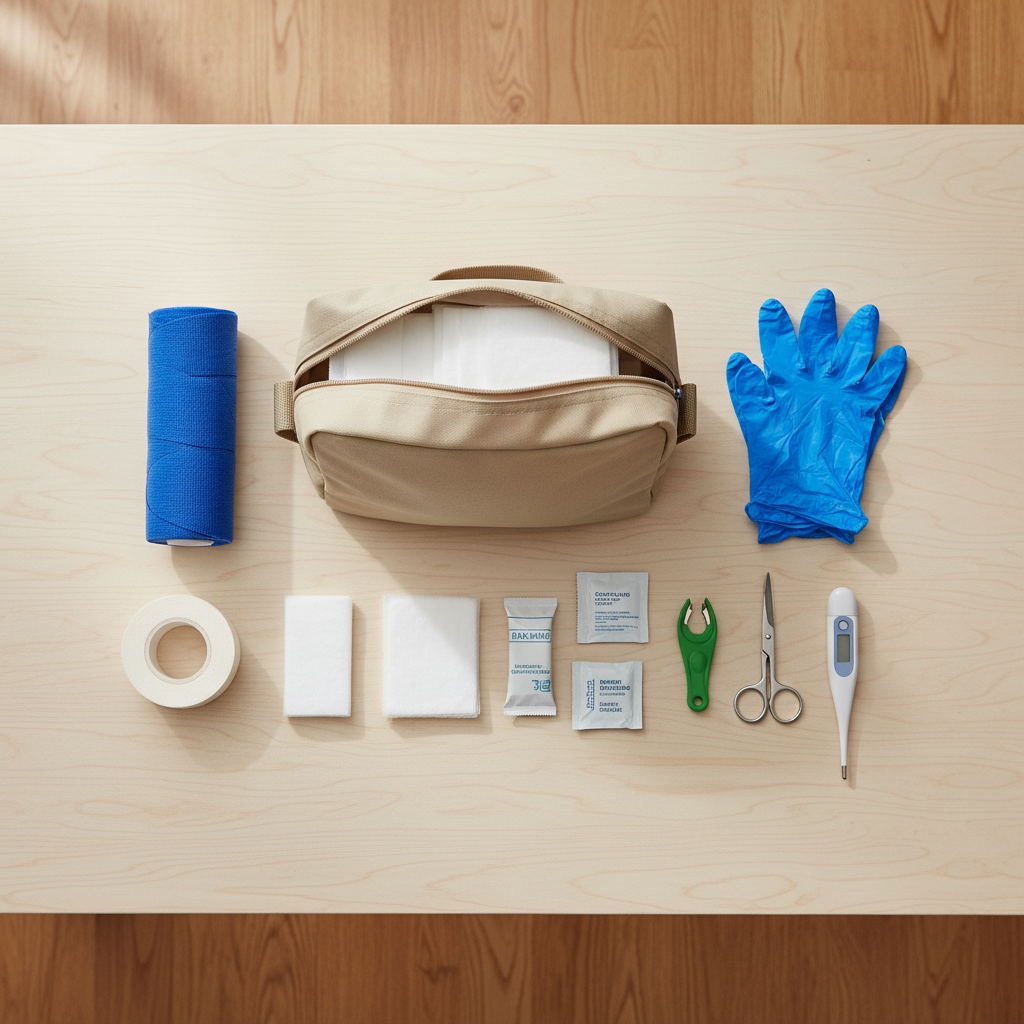
This guide breaks down what to look for in 2026, how to match a kit to your lifestyle, and what you should add no matter which brand you buy. I’ll also call out common “kit traps” that look impressive but don’t help much in real emergencies.
What a pet first aid kit should realistically do
Most situations you’ll handle with a kit are minor: a torn nail, a small cut, a hot spot you noticed early, or a tick you want removed cleanly. Sometimes it’s bigger, like bleeding from a paw pad on a hike. Either way, the kit’s job is usually stabilize, protect, and transport.
According to the American Veterinary Medical Association (AVMA), pet owners should contact their veterinarian or an emergency clinic for guidance when an animal is injured or appears ill, and be prepared for emergencies. A kit supports that preparation, it doesn’t replace veterinary diagnosis.
Think in three buckets:
- Control bleeding and cover wounds so contamination drops and healing chances improve.
- Prevent self-trauma because licking and chewing can escalate a tiny issue fast.
- Buy time during transport with basics like a muzzle alternative, a blanket, and contact info.
Quick comparison table: how to choose the right kit in 2026
Brand names change, bundles get refreshed, and “2026 edition” marketing comes and goes. The more reliable approach is choosing a kit type that fits how you actually live with your pet.
| Use case | What to prioritize | Nice-to-have add-ons | Common mismatch |
|---|---|---|---|
| Home + neighborhood walks | Wound care basics, tick removal, paw protection, clear instructions | Saline pods, cone alternative, spare leash | Huge trauma kit you never open |
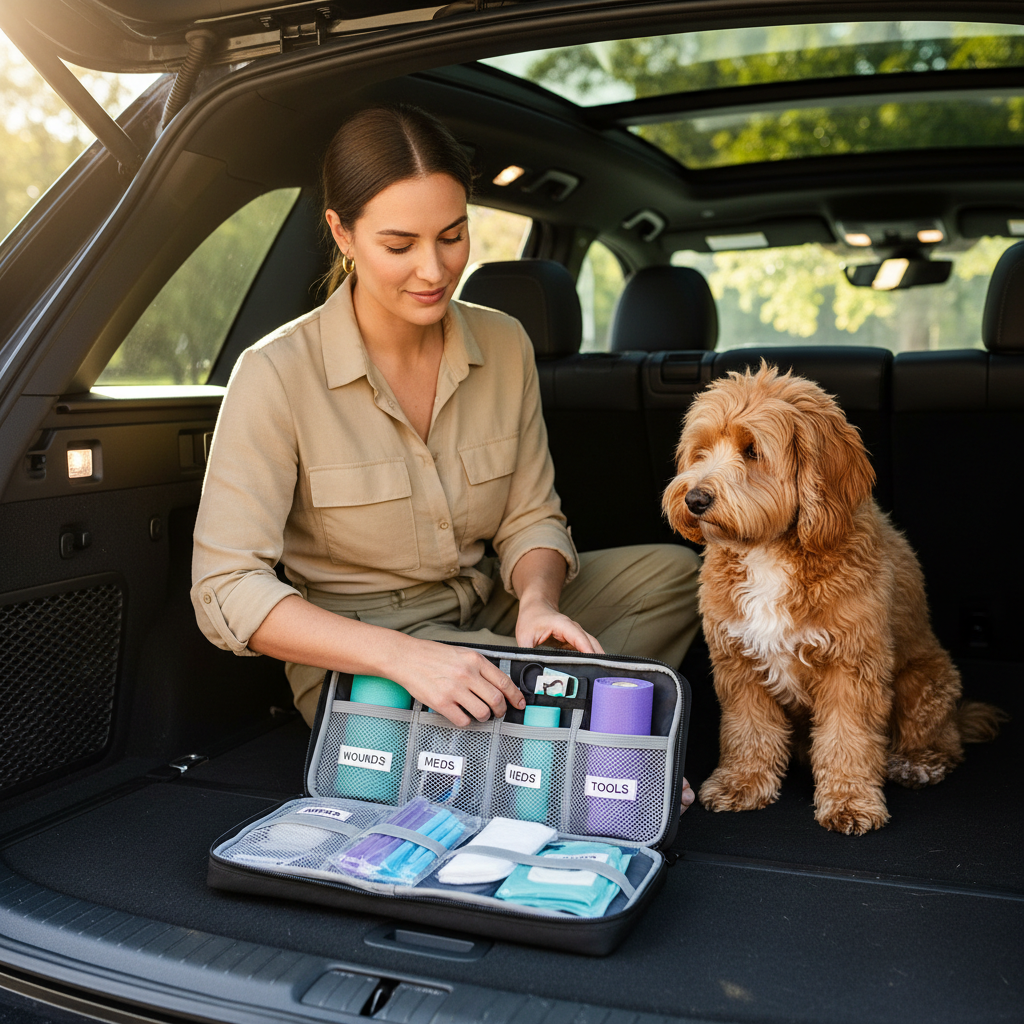
| Car + road trips | Compact organization, duplicates of key items, cold/heat durability | Mylar blanket, glow light, zip bags | Flimsy pouch that spills everywhere |
| Hiking + camping | Bleeding control, vet wrap, booties, tick tool, irrigation | Splint material, extra gauze rolls | “Ultralight” kit with tiny bandages |
| Multi-pet household | More consumables, multiple sizes, labeling | Extra gloves, duplicate wraps | Single-pet mini kit |
What separates the best pet first aid kits from “random supplies in a pouch”
Many kits look similar online, but the best ones usually share a few practical traits that show up when you’re in a hurry.
- Pet-appropriate wraps and dressings: cohesive bandage (often called vet wrap) and non-stick pads do more than a pile of tiny adhesive bandages.
- Organization you can use under stress: labeled pockets, clear modules, or color coding beats one big compartment.
- Real duplicates: one gauze pad is not a plan, especially for paw injuries that keep bleeding when your pet walks.
- Clear instructions: simple step cards help when you can’t remember which thing goes first.
- Tools that won’t fail: decent scissors, tweezers that grip, and a tick remover that fits the ticks common in your area.
One more “quiet” feature that matters in 2026: packaging that tolerates heat. Car kits can degrade if adhesives melt or wipes dry out, so check expiration dates and plan to refresh consumables.
Must-have checklist: what should be inside (and why)
If you’re comparing options, scan the item list for these categories. Different brands will use different names, so focus on function.
Wound cleaning and flushing
- Saline (single-use pods or small bottle): helps flush debris with less sting than harsher options.
- Antiseptic wipes: good for surrounding skin, but avoid deep punctures unless a professional advises.
- Disposable gloves: protects you and reduces contamination.
Bleeding control and dressing
- Sterile gauze pads in multiple sizes
- Gauze roll for wrapping awkward areas
- Non-stick dressing pads so fur and healing tissue don’t rip when removed
- Cohesive bandage to secure dressings without sticky tape on fur
Tools
- Blunt-tip scissors for cutting wrap and trimming fur around a wound
- Tweezers for splinters and debris
- Tick remover tool (hook or key style)
- Digital thermometer if you feel comfortable using it and your vet supports that plan
Comfort and restraint
- Soft muzzle or muzzle alternative: even gentle pets may bite when in pain, fit and training matter here.
- Emergency blanket or towel: helps warmth and safe transport.
If a kit is missing two or more of the sections above, it may still be useful, but it probably won’t rank among the best pet first aid kits for real-world coverage.
Add these 6 upgrades no matter which kit you buy
Off-the-shelf kits rarely match your pet perfectly. These additions are inexpensive and solve common gaps.
- Extra cohesive wrap (at least one full roll): it disappears fast when you wrap a paw or leg.
- More non-stick pads: especially for pets with allergies or skin issues.
- Saline irrigation syringe (no needle): better flushing than dribbling from a bottle.
- Booties or paw cover: keeps a bandage cleaner during the walk to the car.
- Styptic powder for nail breaks: helpful, but follow label guidance and ask your vet if your pet has clotting risks.
- Printed emergency card: vet number, nearest 24/7 ER, poison hotline info, meds, allergies.
Scenario-based guidance: what to do with the kit (without overstepping)
This is where people freeze. You bought supplies, but you’re not sure what “right” looks like. The safest approach is simple care plus fast communication with a clinic when symptoms look serious.
Minor cut or scrape
- Trim fur around the area if needed, then flush with saline.
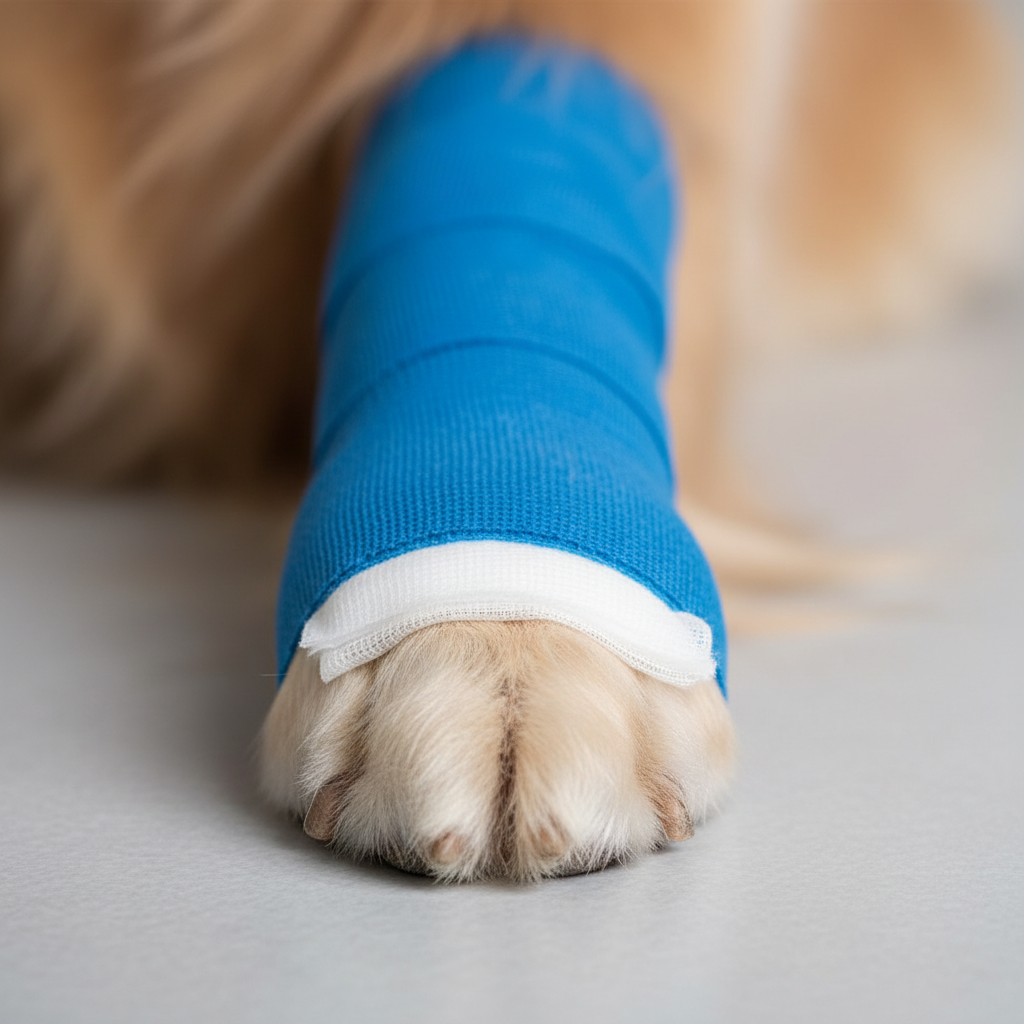
- Pat dry with gauze, cover with a non-stick pad, secure with cohesive wrap.
- Prevent licking, monitor swelling, redness, odor, or worsening pain.
Small wounds can still get infected, so if the area grows hot, painful, or starts draining, calling your vet is usually the right move.
Bleeding paw pad on a walk
- Apply firm pressure with gauze for several minutes, don’t peek constantly.
- Wrap snugly but not tight, toes should stay warm and normal color.
- Add a bootie or clean sock for the trip home, then reassess.
If bleeding won’t slow, or your pet can’t bear weight, treat it as urgent.
Tick found attached
- Use the tick tool to remove close to the skin, steady and controlled.
- Clean the area, wash your hands, and note the date and location on the body.
- Watch for unusual lethargy, fever, or appetite changes and ask your vet about next steps.
Tick-borne illness risk varies by region and season, so advice can differ across the U.S.
Pitfalls I see all the time (and how to avoid them)
- Buying by piece count: 250 “items” can mean 200 cotton swabs and tiny bandages that won’t stick to fur.
- Assuming human products translate: some creams, pain meds, and antiseptics can be harmful to pets, ask your veterinarian before using anything medicated.
- No practice run: open the kit once, learn where things are, and pre-label pockets, future-you will appreciate it.
- Ignoring fit: a muzzle or cone alternative only helps if you know your pet tolerates it and it fits.
- Letting consumables expire: wipes dry out, saline seals fail, adhesives melt in car heat.
If you’re aiming for the best pet first aid kits experience, it’s not just shopping, it’s keeping the kit usable.
When a first aid kit is not enough
Some problems should push you toward urgent veterinary help rather than home care. According to the American Red Cross, pet first aid is meant to help in an emergency until you can get to a veterinarian, and it emphasizes getting professional care when needed.
- Breathing trouble, repeated vomiting, collapse, or seizure activity
- Uncontrolled bleeding, deep punctures, or suspected broken bones
- Heatstroke concerns, severe lethargy, pale gums, or extreme pain
- Possible toxin exposure, including human medications or certain foods
If you’re unsure, calling your veterinarian or a 24/7 emergency clinic for triage guidance is usually safer than guessing. Many clinics can tell you what to do on the way in.
Practical maintenance: keep your kit “ready” all year
A kit that lives in a closet for three years is basically a craft bag. A simple routine keeps it useful.
- Quarterly check: replace dried wipes, cracked bottles, missing gloves, and anything expired.
- Seasonal swap: add tick supplies in spring and summer, paw balm and extra wraps in winter if your area uses de-icer.
- Pack by scenario: home kit can be bigger, travel kit should be compact and duplicate only the essentials.
- Store smart: avoid long-term high heat in the car when possible, or keep a “car kit” refreshed more often.
Key takeaways (so you can pick fast)
- Coverage beats piece count, prioritize wound care, bleeding control, tools, and restraint.
- Choose a kit that matches your life, home-only and backcountry kits are not the same.
- Add a few upgrades, especially extra wrap, non-stick pads, and an emergency contact card.
- If symptoms look serious, use the kit to stabilize and get professional help, don’t “treat through it.”
Conclusion: the “best” kit is the one you can actually use
The best pet first aid kits for 2026 are the ones that stay organized, include real consumables in usable sizes, and fit the way you travel and walk with your pet. Pick a solid base kit, add a few smart extras, and do one quick practice run so you’re not learning zippers and wraps during an emergency.
If you do one thing today, print an emergency card and check your supplies for missing basics, that tiny step often makes the biggest difference when time feels tight.