
The best cat toys for indoor cats are the ones that match how your cat actually “hunts” at home, fit your space, and stay safe when you’re not watching. If you’ve bought toys that get ignored after one day, you’re not alone, indoor cats often need the right kind of movement and novelty, not just “something with feathers.”
Indoor life is comfortable, but it can get stale, and boredom tends to show up as midnight zoomies, rough play, scratching furniture, or picky behavior around food and attention. The good news is you don’t need a huge toy box, you need a small rotation that hits different play drives.
This guide walks through toy types that usually work well for indoor cats in 2026, how to choose based on age and personality, what to avoid for safety, and a practical weekly routine that keeps toys “new” without constant shopping.
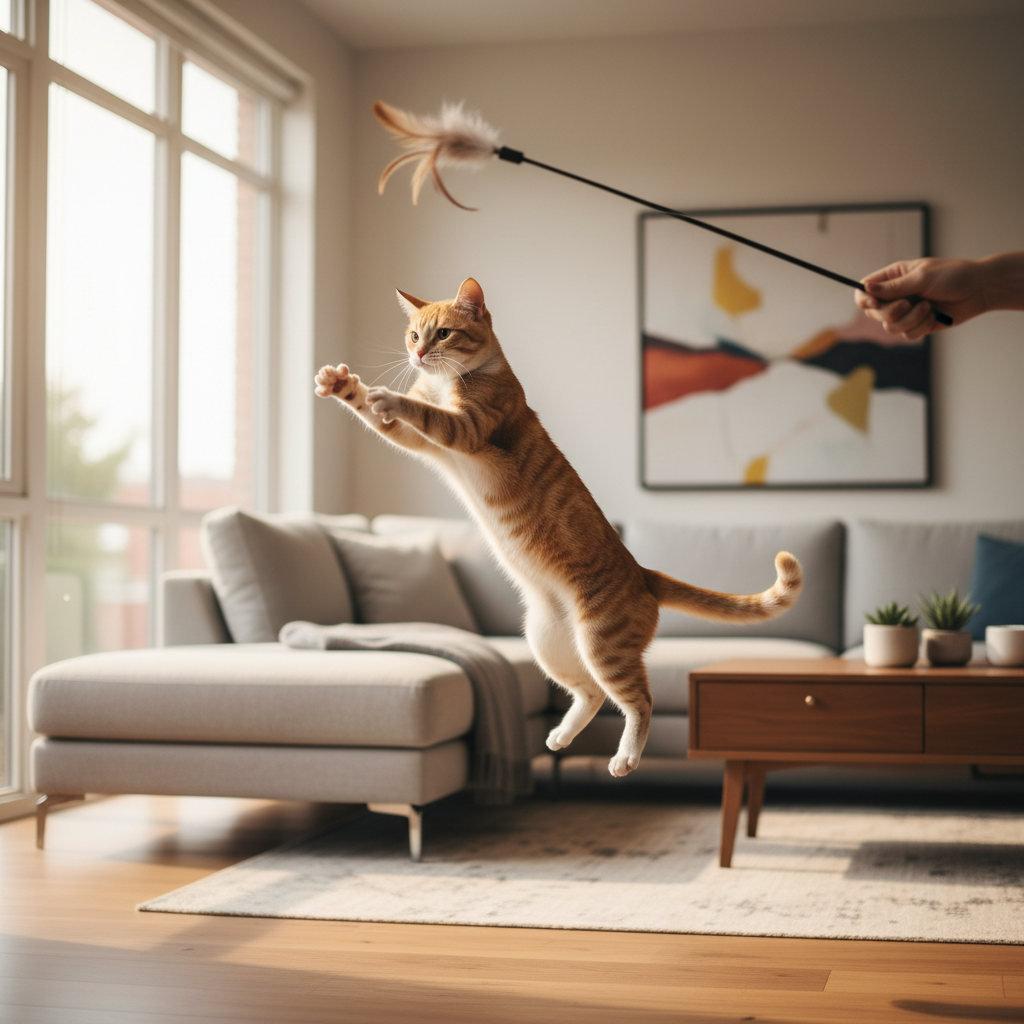
What “best” really means for indoor cat toys
When people search for the best cat toys for indoor cats, they usually mean one of three things: “my cat is bored,” “my cat is overweight,” or “my cat is tearing up my couch.” A good toy supports a healthy hunt cycle: stalk, chase, catch, and then calm down.
According to the American Association of Feline Practitioners (AAFP), enrichment for cats includes opportunities to play and express natural behaviors. Toys are a practical way to deliver that enrichment, especially in small apartments or busy households.
- Movement matters: many cats prefer prey-like motion over flashy lights.
- Control matters: cats like “winning,” so toys should allow capture.
- Rotation matters: novelty wears off fast, swapping toys works better than buying more.
Quick picking checklist: match toys to your cat in 2 minutes
If you’re unsure where to start, use this quick filter. You’ll get better results than grabbing whatever has the most reviews.
- Age: kitten (high energy), adult (varies), senior (shorter, gentler sessions).
- Play style: chaser, ambusher, kicker, chewer, “watcher.”
- Home setup: hardwood vs carpet, tight space vs open room, number of cats.
- Your time: interactive play daily, or mostly solo play between short sessions.
- Safety risk: does your cat eat strings, shred fabric, or swallow small parts?
Key point: if your cat tends to swallow non-food items, prioritize sturdier toys and supervised play, and consider asking your veterinarian what materials to avoid.
Top categories that tend to work well in 2026
Instead of a ranked “top 10,” it’s more realistic to pick 2–4 categories that cover different needs. Many homes do best with one interactive toy, one solo toy, and one comfort toy.
Interactive wand toys (best for bonding and exercise)
Wands are simple, but they consistently deliver the most “real” hunt behavior when you move them like prey. Think: hide behind furniture, pause, twitch, then dart.
- Best for: most adult cats, high-energy kittens, multi-cat households (with turns)
- Look for: durable line, secure attachment, replaceable lures
- Avoid: leaving wands out unattended if your cat chews strings
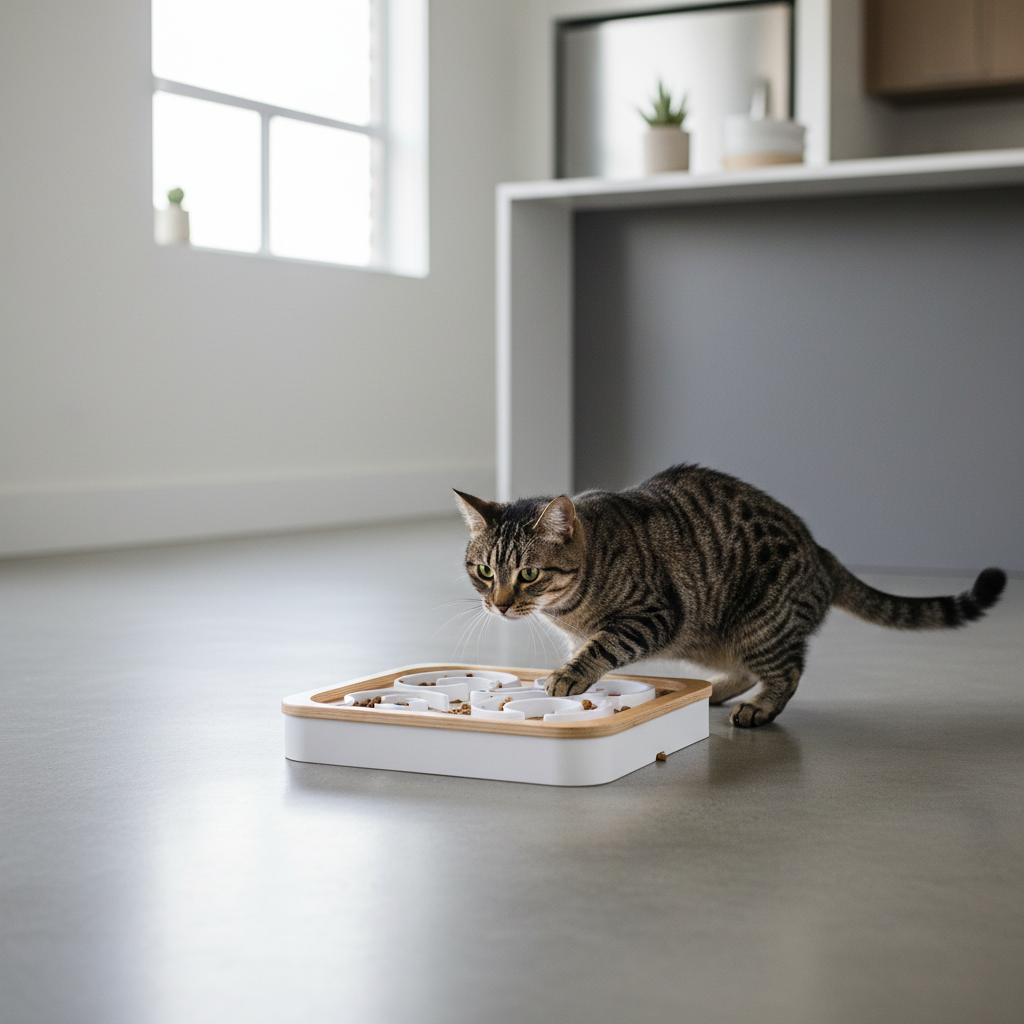
Puzzle feeders and treat toys (best for boredom and food motivation)
If your cat begs for snacks or seems restless, food puzzles convert calories into “work,” which often reduces boredom. They can also slow fast eaters, though cats with medical issues should follow vet guidance.
- Best for: food-motivated cats, indoor cats gaining weight, busy owners
- Look for: adjustable difficulty, easy-clean materials
- Tip: start easy, frustration makes cats quit
Kick toys and “wrestle” toys (best for bunny-kickers)
Some cats don’t just chase, they grab and kick. Long kickers, especially those with catnip or silvervine, can redirect rough play away from hands and ankles.
- Best for: young adults, high-arousal cats, playful biters
- Look for: reinforced seams, longer body, non-shedding fabric
Ball tracks and rolling toys (best for self-play in small spaces)
Track toys and heavier rolling balls stay contained, which helps in apartments. They’re not “enough” alone for many cats, but they’re a strong background option during work hours.
- Best for: curious cats, cats that bat objects off tables, limited space
- Look for: stability (doesn’t flip), smooth track, no small removable caps
Catnip and silvervine toys (best for quick engagement, not every cat)
Not all cats respond to catnip. Silvervine tends to work for some non-responders, but reactions vary. Store these toys sealed and rotate them so the scent stays interesting.
- Best for: cats that enjoy scent enrichment, shy cats that need a “starter”
- Tip: offer after play sessions as a reward, not as the whole plan
Comparison table: choose by goal, space, and supervision
If you want one quick way to narrow down the best cat toys for indoor cats, pick your main goal first, then match it to supervision level and space.
| Toy type | Best for | Space needs | Supervision | Common downside |
|---|---|---|---|---|
| Wand toy | Exercise, bonding | Low to medium | Recommended | String chewing risk |
| Puzzle feeder | Boredom, slow eating | Low | Low to medium | Some cats get frustrated |
| Kick toy | Rough play redirection | Low | Low to medium | Seams can tear on heavy kickers |
| Ball track | Self-play, curiosity | Low | Low | Can become “background noise” |
| Laser pointer | Short bursts of chasing | Low | Required | No capture, may frustrate some cats |
| Automatic moving toy | Solo play variety | Medium | Medium | Breaks, startles timid cats |
How to build a simple indoor play plan that actually sticks
Toys work better when you pair them with a routine. Not a strict schedule, just a predictable pattern your cat can rely on.
A realistic weekly rotation
- Daily: 5–10 minutes of wand play, end with a “catch” and a small snack or meal.
- 3x/week: puzzle feeder session, start easy and gradually increase difficulty.
- Anytime: leave out 1–2 safe solo toys, keep the rest stored.
- Weekly: swap the solo toys, refresh catnip toys by storing them sealed.
Make play feel like hunting (this is the part people skip)
Most cats ignore toys when the movement looks random. Try this instead: slow crawl, quick sprint, hide behind a chair, then let your cat “win.” If you use a laser, finish with a physical toy your cat can grab, many cats settle better after that.
According to the ASPCA, interactive play is an important way to provide exercise and mental stimulation for cats. Even short sessions can help, especially when they’re consistent.
Safety notes and common mistakes to avoid
Some “fun” toys become risky when they’re left out or used with the wrong cat. This is where a little caution saves you a vet visit.
- Loose strings, ribbons, and yarn: can pose a swallowing hazard, supervised play makes sense for many cats.
- Small detachable parts: bells, plastic eyes, feathers, check durability if your cat is a shredder.
- Overstimulation: if your cat starts biting hard or tail whipping, end the session calmly and offer a kicker toy next time.
- Too much catnip: some cats get agitated, rotate and keep it occasional.
- One-toy strategy: buying a single “miracle” toy usually disappoints, variety beats intensity.
When to upgrade, and when to ask a professional
If you’ve tried multiple toy types and your cat still seems restless, it may not be a toy problem. Pain, anxiety, and stress between cats can all look like “boredom.”
- Check with a veterinarian if you notice appetite changes, hiding, litter box changes, sudden aggression, or reduced jumping, those can signal discomfort.
- Consider a behavior professional if play triggers redirected aggression, or if multi-cat tension is escalating.
According to the American Veterinary Medical Association (AVMA), sudden behavior changes can be associated with medical issues, so a vet check is a sensible first step when something feels off.
Conclusion: a small “toy system” beats a big toy pile
The best cat toys for indoor cats usually come from a mix: one interactive toy you run like prey, one food puzzle for mental work, and one sturdy comfort or kicker toy for solo downtime. Keep a tight rotation, keep sessions short, and let your cat “catch” something at the end.
- Action step 1: pick two categories from the table based on your main goal this month.
- Action step 2: schedule a 7-day rotation, then adjust based on what your cat repeats.
Key takeaways
- Movement style matters more than price or hype.
- Rotate toys to keep novelty high without buying more.
- Safety improves when you match supervision level to toy type.
FAQ
What are the best cat toys for indoor cats that get bored easily?
Wand toys plus a simple rotation usually work better than leaving ten toys out. Add a puzzle feeder a few times a week so your cat “works” for part of a meal, many boredom issues improve when the day has small challenges.
Are laser pointers good for indoor cats?
They can be useful for short bursts, especially in small spaces, but some cats get frustrated because they never “catch” anything. If you use one, end by tossing a plush toy or offering a wand lure so your cat can grab and bite.
How many toys should an indoor cat have?
Often 6–10 total is plenty if you rotate them, with only 2–4 available at once. The real value comes from novelty and interaction, not volume.
What toys are safest to leave out when I’m at work?
Many households do well with sturdy ball tracks, heavier rolling toys, and durable plush kickers without loose strings. If your cat chews fabric or swallows pieces, it’s safer to limit unattended toys and ask your vet what’s appropriate.
Do puzzle feeders help with weight control for indoor cats?
They can, because they slow eating and add activity, but they’re not magic. Portion control still matters, and cats with health conditions may need a specific feeding plan from a veterinarian.
My cat ignores every toy I buy, what should I try next?
Change the motion before you change the toy. Try prey-like movement with a wand, reduce distractions, play before meals, and rotate toys out of sight for a week. If disinterest comes with low energy or behavior changes, consider a vet check.
Are catnip toys okay for kittens?
Many kittens don’t react strongly until they’re older, and some get overstimulated. If you try it, keep it occasional and watch your kitten’s behavior, if they get too revved up, switch to a kicker without catnip.
If you’re trying to choose the best cat toys for indoor cats without wasting money, start by identifying your cat’s play style, then build a two-week rotation you can actually maintain, it’s usually the fastest way to see what your cat truly likes.