
Pet travel bowl collapsible options look simple, until you’ve had water soak your backpack, kibble dust coat your car seat, or a “fold-flat” bowl pop open mid-drive.
The good news is that most messes come from a few predictable design issues: rim structure, lid fit, silicone thickness, and how you pack it. Fix those, and a travel bowl becomes one of those small upgrades you stop thinking about because it just works.
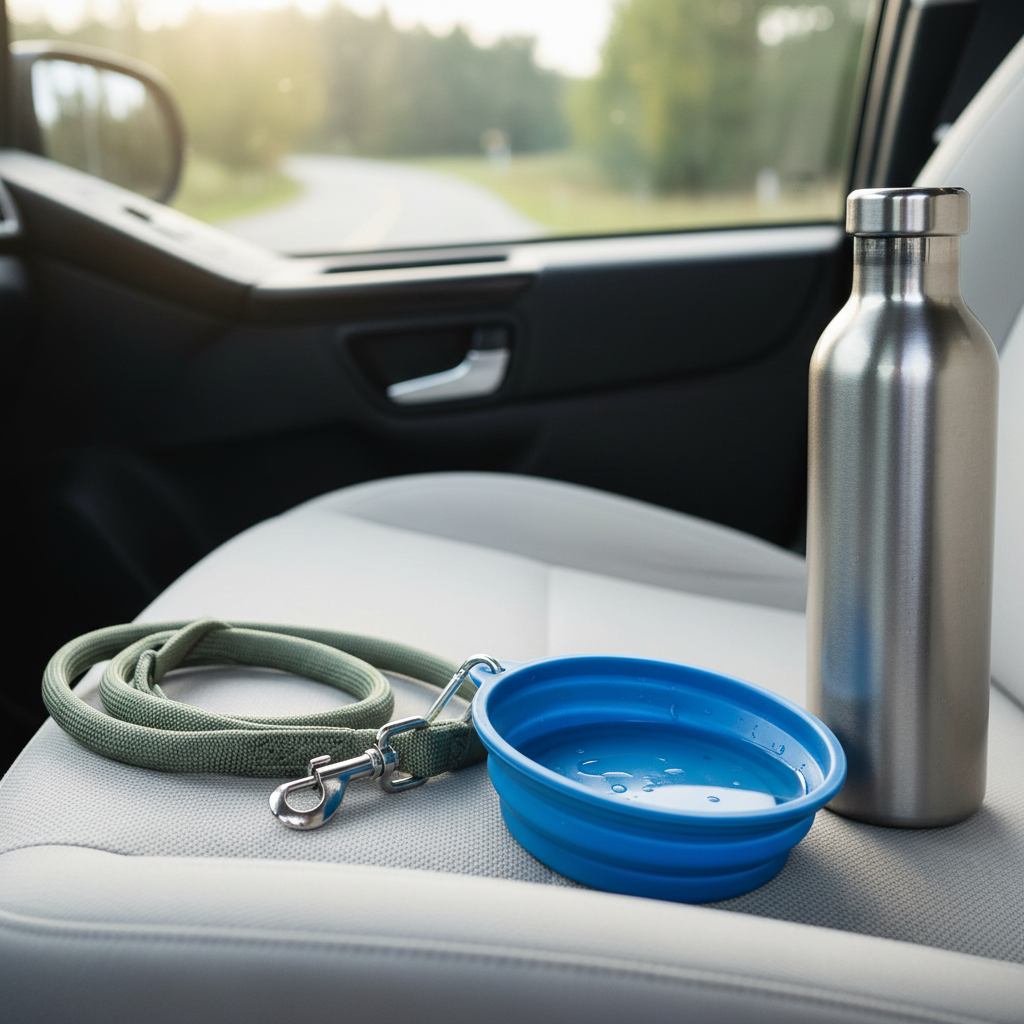
This guide breaks down what “leak proof” really means for a collapsible bowl, how to tell which style fits your travel routine, and a few practical packing habits that prevent 90% of the frustration.
What “leak proof” really means for a collapsible pet travel bowl
Most collapsible bowls are leak-resistant, not magically spill-proof in every situation. Brands use “leak proof” to describe different things, so it helps to map the claim to real use.
- Leak proof for storage: the bowl can hold water with a lid on, inside a bag, without seeping through the seal.
- Spill resistant for use: the bowl stays stable on the ground and won’t tip easily when your dog drinks fast.
- Drip control: the collapsed bowl doesn’t trap water in folds that later drip into your bag.
If you want true “bag safe,” you typically need a lid with a gasket-like seal, or a design where the rim locks flat so it cannot flex open under pressure.
Common reasons collapsible bowls leak or make a mess
If your current setup fails, it’s usually not user error, it’s a mismatch between the bowl design and the way you travel.
Weak rim structure
Thin rims flex when compressed in a bag, which can break the lid seal or let water slosh out. A firmer rim tends to keep the mouth round and stable.
Lid fit that relies on “snap” instead of sealing
A snap-on lid can pop open when squeezed between a laptop and a water bottle. A lid that seats into a groove usually holds better.
Silicone folds that hold water
Deep accordion folds can trap a few teaspoons of water. You close it, everything seems fine, then it drips later. A quick shake and a wipe helps, but some designs just drain better.
Overfilling and motion
A bowl that’s fine on a picnic table may leak in a backpack because movement constantly pushes water against the seal. Leaving a little headspace matters more than people expect.
Quick self-check: which bowl style fits your trips?
Before buying another bowl, take 60 seconds and be honest about how you actually use it.
- Road trips and day hikes: you can usually get away with a simpler bowl, because it rides in a cup holder or side pocket.
- Air travel or long commutes: choose a more rigid rim and a better lid, because the bowl gets compressed in a personal item.
- Mess-sensitive packing (electronics, documents): prioritize a true sealing lid and a separate dry zone in your bag.
- Large dogs / fast drinkers: stability matters, look for a wider base and a bowl that holds shape when filled.
- Food + water in one kit: consider a two-bowl set or a design with separate containers, so kibble stays dry.
If you’re in the “bag safe” camp, treat pet travel bowl collapsible as a packing system, not just a bowl.
Features that actually matter (and what to ignore)
Marketing tends to focus on “folds flat” and “BPA-free.” Those are fine, but they don’t predict leaks. These do.
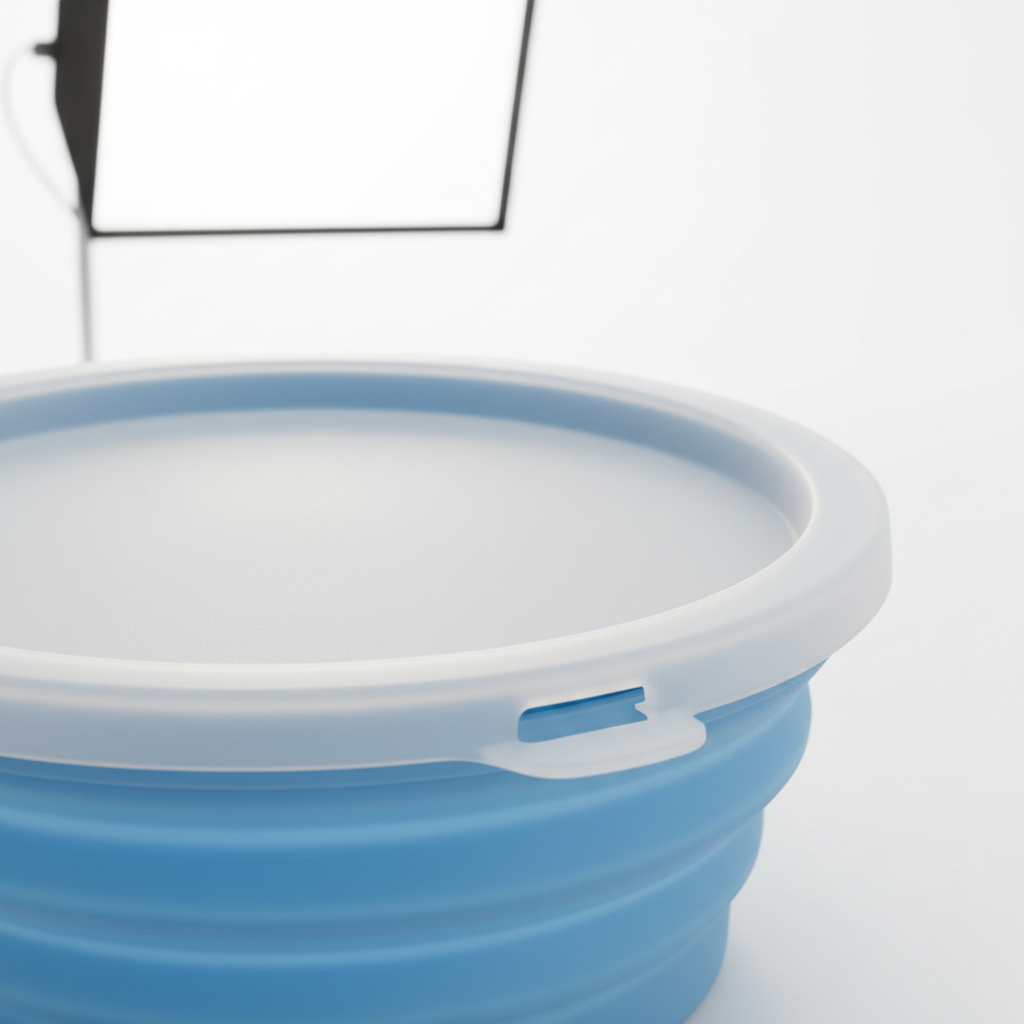
- Rim stiffness: reduces flex that breaks the seal.
- Lid design: a seated seal beats a loose cap; if the lid is optional, expect leaks in a packed bag.
- Attachment point: carabiner loop is useful, but not a substitute for a leak-proof lid.
- Base width: wider base tips less, especially on uneven trails.
- Capacity you’ll really use: bigger isn’t always better; a half-filled bowl spills less and is easier to manage.
One more practical tell: if the bowl looks great collapsed but feels “floppy” when opened, it often behaves the same way when it’s squeezed in luggage.
Comparison table: pick the right collapsible bowl setup
There’s no universal winner, but patterns show up fast once you compare use cases.
| Travel situation | Recommended bowl type | Why it works | Watch out for |
|---|---|---|---|
| Short walks, local errands | Basic silicone collapsible (no lid) | Light, quick, easy to clip | Not bag-safe with water |
| Hikes, parks, beach days | Wider-base collapsible, optional lid | Better stability on uneven ground | Sand can interfere with lid fit |
| Commutes, backpack carry | Collapsible with sealing lid | Lower chance of seepage under pressure | Seal wear over time |
| Air travel | Rigid-rim collapsible + sealed lid | Handles compression in personal item | Overfilling leads to slosh leaks |
| Food + water kit | Two-bowl set or separated containers | Keeps kibble dry, avoids mush | More pieces to track |
How to use a collapsible leak-proof bowl without the usual mess
This is the part people skip, then blame the product. A few habits make almost any decent bowl behave better.
Do a 30-second leak test at home
- Fill with water, close the lid, hold it upside down over the sink.
- Squeeze gently around the rim, this simulates bag pressure.
- Set it on a paper towel for 5 minutes, check for slow seepage.
If it fails here, it will fail on a trip. No need to “give it another chance” in your carry-on.
Pack it like a travel container, not a dish
- Leave headspace: don’t fill to the rim if it will ride in a bag.
- Place upright: side pockets and cup holders beat stuffing it horizontally.
- Use a backup barrier: a zip bag or small dry sack is cheap insurance.
Reduce drip from folds
- After your pet drinks, collapse halfway, shake once, then fully collapse.
- Wipe the underside quickly if you’re putting it back into fabric bags.
For hot cars: water expands and sloshes more, so a pet travel bowl collapsible setup that is “fine” in mild weather might leak when your bag sits in the trunk.
Safety notes and when to get professional guidance
If you’re using a travel bowl for extended trips, sanitation matters as much as leak resistance. According to Centers for Disease Control and Prevention (CDC), keeping pet items clean and washing hands after handling pet supplies can reduce the chance of illness in many situations.
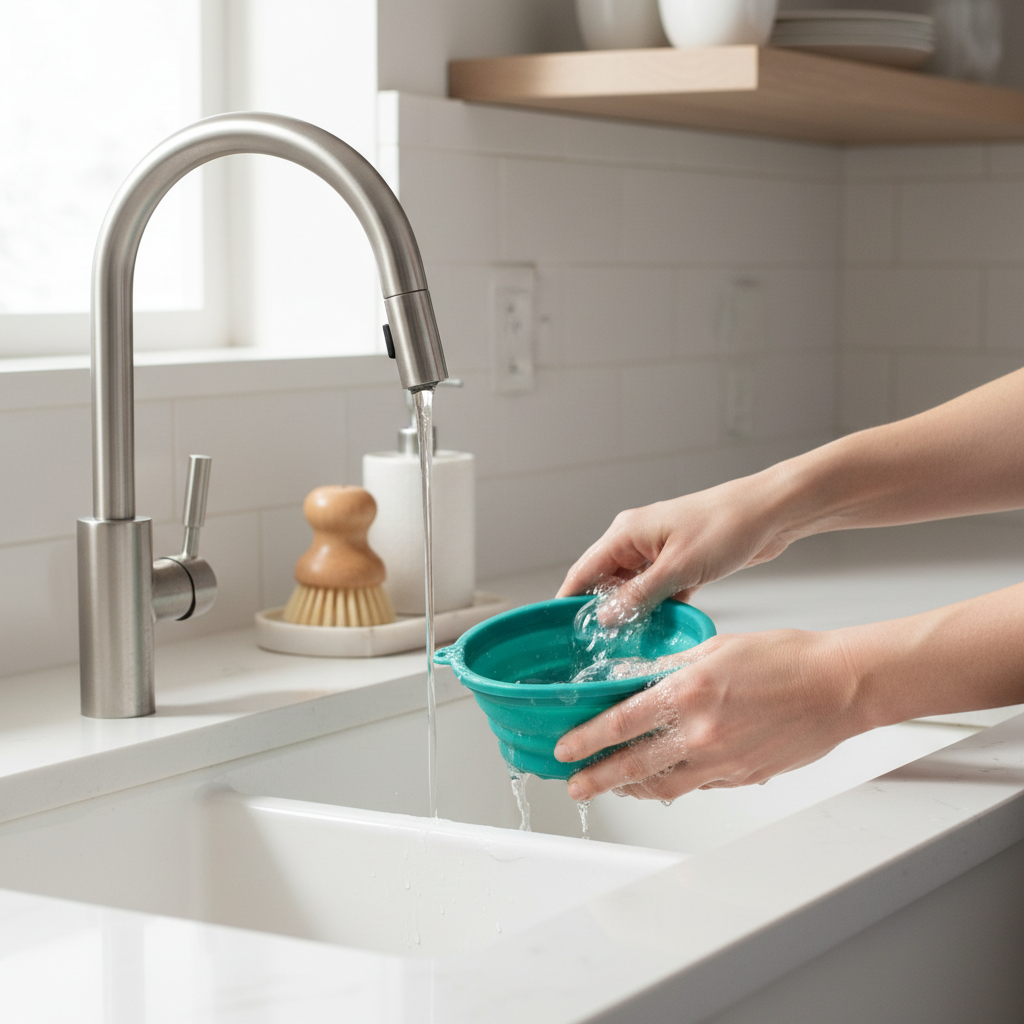
Most pets do well with normal cleaning routines, but if your dog has allergies, a sensitive stomach, or you notice chin irritation, it may be worth asking your veterinarian what materials and cleaning products make sense for your situation.
- Wash often: especially if you store wet food, broth, or milk-based treats.
- Inspect the rim and folds: tiny cracks can hold residue and odors.
- Replace if the lid warps: a slightly distorted lid is a common “mystery leak.”
Key takeaways (save this for your next trip)
- “Leak proof” usually means “with a proper lid seal,” not just “collapses flat.”
- Most leaks come from rim flex, lid pop-off, trapped water in folds, or overfilling.
- A quick at-home squeeze test tells you more than product photos.
- Packing habits matter: upright placement and a backup barrier prevent headaches.
If you want fewer surprises, choose a bowl that matches how you carry it, then treat it like a small container system, not an open dish that happens to fold.
FAQ
Is a collapsible pet bowl really leak proof in a backpack?
Some are, many are only leak-resistant. If it has a sealing lid and a rim that doesn’t flex much under pressure, it’s far more likely to stay bag-safe.
What’s the best way to stop water from dripping out after I collapse the bowl?
Don’t collapse it immediately from fully open to fully flat. Collapse halfway, shake once, then flatten, and wipe the underside if it goes into a fabric bag.
Can I store kibble in a collapsible bowl with a lid?
Usually yes for short periods, but pay attention to crumbs in the seal area, they can prevent a tight closure and create “leaks” of food dust inside your bag.
How do I know if the lid seal is wearing out?
Slow seepage on a paper towel test is a giveaway. Also watch for lids that feel easier to snap on than before, that can mean the fit has loosened.
Are silicone travel bowls safe for all dogs?
Many dogs do fine with silicone, but sensitivities vary. If you see irritation or your dog avoids the bowl, asking a veterinarian is a sensible next step.
Does “BPA-free” mean the bowl is non-toxic?
It’s a positive sign, but it’s not the whole story. Materials, manufacturing quality, and how you clean the bowl all affect real-world safety.
How much water should I carry in the bowl while traveling?
If it’s inside a bag, leaving headspace helps a lot. Many people find it safer to carry water in a bottle and pour into the bowl when needed.
Conclusion: the simplest way to get a truly travel-friendly bowl
A pet travel bowl collapsible choice pays off when it fits your routine: a stable shape for drinkers, a sealing lid for bags, and a design that doesn’t hide water in the folds. Pick the style that matches how you carry it, do the quick squeeze test at home, and pack with a small backup barrier the first few trips until you trust your setup.
If you’re trying to build a cleaner, more reliable travel kit, it may help to shortlist two or three bowls by rim stiffness and lid seal, then choose the one that passes your real packing test, not just the product page promises.