
How to teach a dog to come when called comes down to one simple goal, make “Come” predict good things every time, then practice until it holds up around real-world distractions.
If your dog ignores you at the park, bolts toward squirrels, or “comes” only when they feel like it, you’re not dealing with stubbornness as much as a training gap, the cue either isn’t clear, isn’t rewarding enough, or has been accidentally linked to something your dog dislikes.
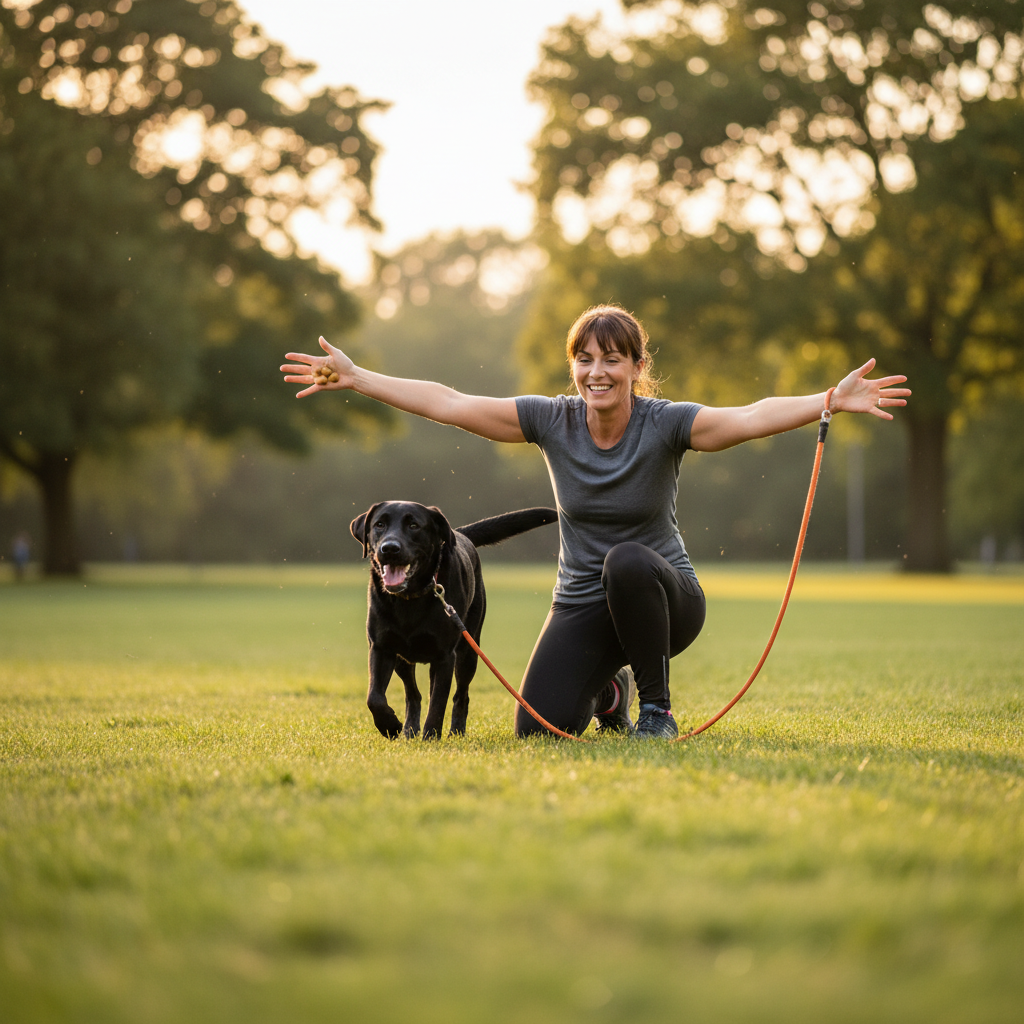
This article keeps it practical, you’ll get a quick diagnosis checklist, a step-by-step plan, and ways to proof recall without turning every outing into a battle. We’ll also cover the safety piece, because recall training often happens right where mistakes carry consequences.
Why dogs don’t come when called (even “good” dogs)
Most recall problems have predictable causes, and knowing which one you’re facing saves a lot of frustration.
- The cue is “poisoned”: “Come” often ends fun, triggers leash time, nail trims, or scolding, so the word starts meaning “bad news.”
- Rewards don’t compete: outside smells, dogs, and movement can be more valuable than a dry biscuit at home.
- Too much freedom too soon: off-leash before the behavior is trained creates a habit of ignoring the cue.
- Repeating the cue teaches ignoring: “Come… come… COME!” becomes background noise.
- They never learned what the word means: many dogs hear “Come” in chaotic moments, not in clean, teachable reps.
According to the American Kennel Club (AKC), recall is a foundational safety behavior and typically improves fastest when you train in low-distraction environments before gradually increasing difficulty.
Quick self-check: what type of recall issue do you have?
Pick the closest match, then use the training plan below with the right emphasis.
- “Works at home, fails outside”: you need distraction proofing, not a new cue.
- “My dog runs away when I call”: the cue likely predicts something unpleasant, rebuild trust and rewards.
- “My dog comes… slowly”: your reinforcement is too small or too delayed, or you’ve rewarded the slow arrival.
- “My dog comes only when I have treats”: you’re bribing, not reinforcing, shift to variable rewards and life rewards.
- “My dog is a puppy and gets distracted”: normal, keep sessions short, set up wins, and manage freedom.
If you’re thinking “honestly, it’s all of these,” that’s common too. Start with management and the basics, then layer distractions later.
Set yourself up for success: gear, rewards, and safety
Before you train the cue, control the environment so your dog can’t rehearse ignoring you.
Use the right setup
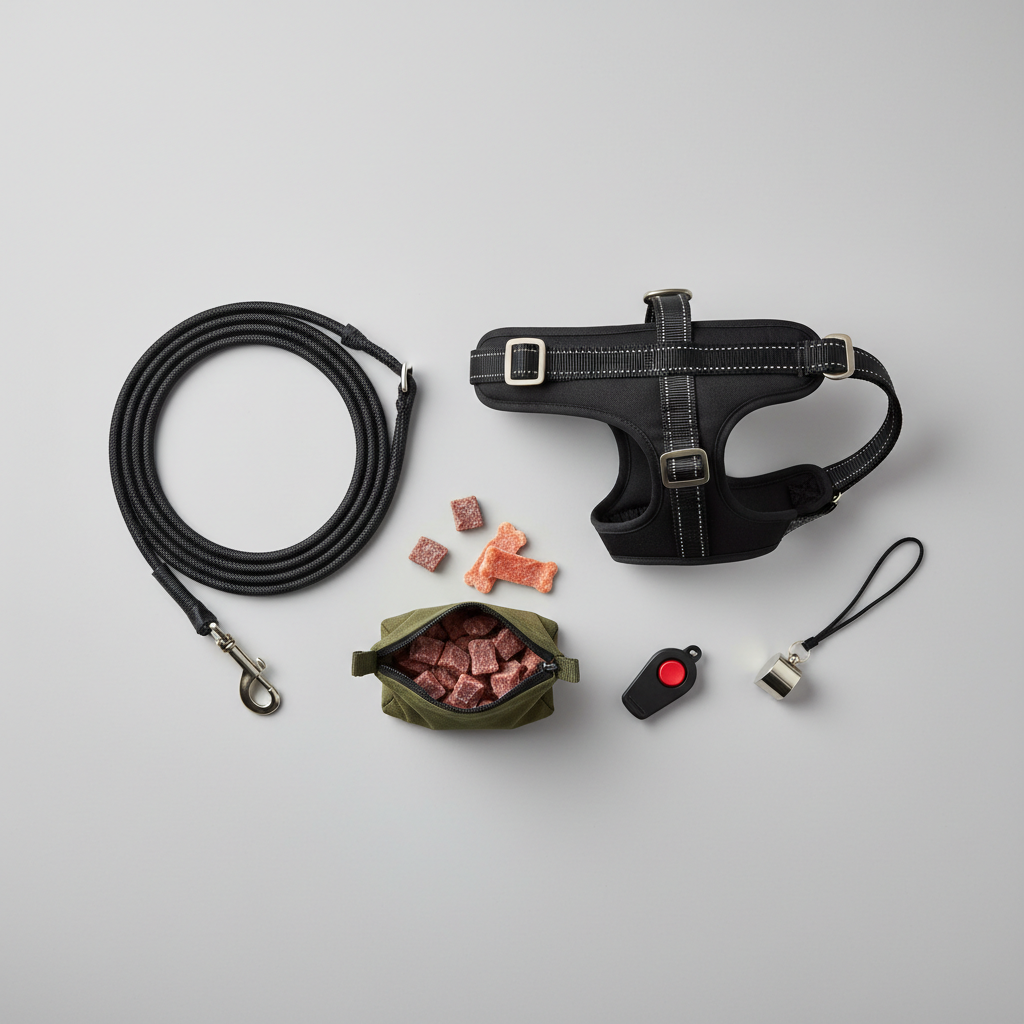
- Long line (15–30 ft): gives freedom while keeping everyone safe, avoid retractable leashes because they can fail and create tangles.
- Harness (often better than collar for recall work): reduces neck strain if your dog hits the end of the line.
- Treat pouch + high-value treats: think chicken, cheese, hot dog slices, freeze-dried liver, whatever makes your dog light up.
Choose rewards that actually matter
For many dogs, “high value” changes by location. Bring two tiers, everyday treats for easy reps, and premium treats for tougher moments. Toys can work too, especially for dogs who love tug or fetch.
Safety note (worth being blunt about)
Until recall is reliable, avoid off-leash areas that aren’t fenced. If your dog has a history of bolting, or if you’re near traffic or wildlife, management matters more than training reps in that moment, and you may want to consult a certified trainer for a plan tailored to your environment.
Teach the cue from scratch (the clean, reliable way)
This is the core method many trainers use, build meaning first, then ask for the behavior.
Step 1: Charge the word
Say “Come” once in a cheerful tone, then immediately deliver a treat to your dog, no movement required yet. Repeat 10–15 times over a couple short sessions. Your goal is for the word to make your dog look happy and expect a payoff.
Step 2: Add easy movement
From a few feet away in your home, say the cue once, then take a step backward. When your dog moves toward you, mark the moment they commit and reward at your legs. If you use a clicker or marker word like “Yes,” keep it consistent.
Step 3: Reward placement matters
Feed low, right where you want the dog to end up, close to you. If you toss treats away after they arrive, you accidentally build “drive-by” recalls.
Step 4: Add a gentle collar or harness hold
Many dogs learn to dodge capture. After your dog arrives, briefly touch the harness, feed, then release. This builds comfort with being “caught” without the fun ending.
According to the American Veterinary Society of Animal Behavior (AVSAB), reward-based training supports learning while reducing the risk of fear or aggression that can be associated with aversive methods, so keep recall work upbeat and generous.
Proof recall: distance, distractions, and real life
When people ask how to teach a dog to come when called outdoors, the missing piece is usually proofing, the gradual process of making the behavior work anywhere.
Use the “3D” progression
- Distance: increase how far away you call from.
- Distraction: add mild competing interests, then harder ones.
- Duration: for recall, this is mostly about holding position with you for a second before release.
Only change one “D” at a time. If you add distance and distractions together, most dogs will fail, and you’ll be tempted to repeat the cue or get frustrated.
Practice in “boring” places on purpose
Side yards, empty tennis courts, quiet parking lot corners, and calm trails can be perfect. You want a place where the environment is interesting, but not overwhelming.
Make “come” sometimes mean “go play again”
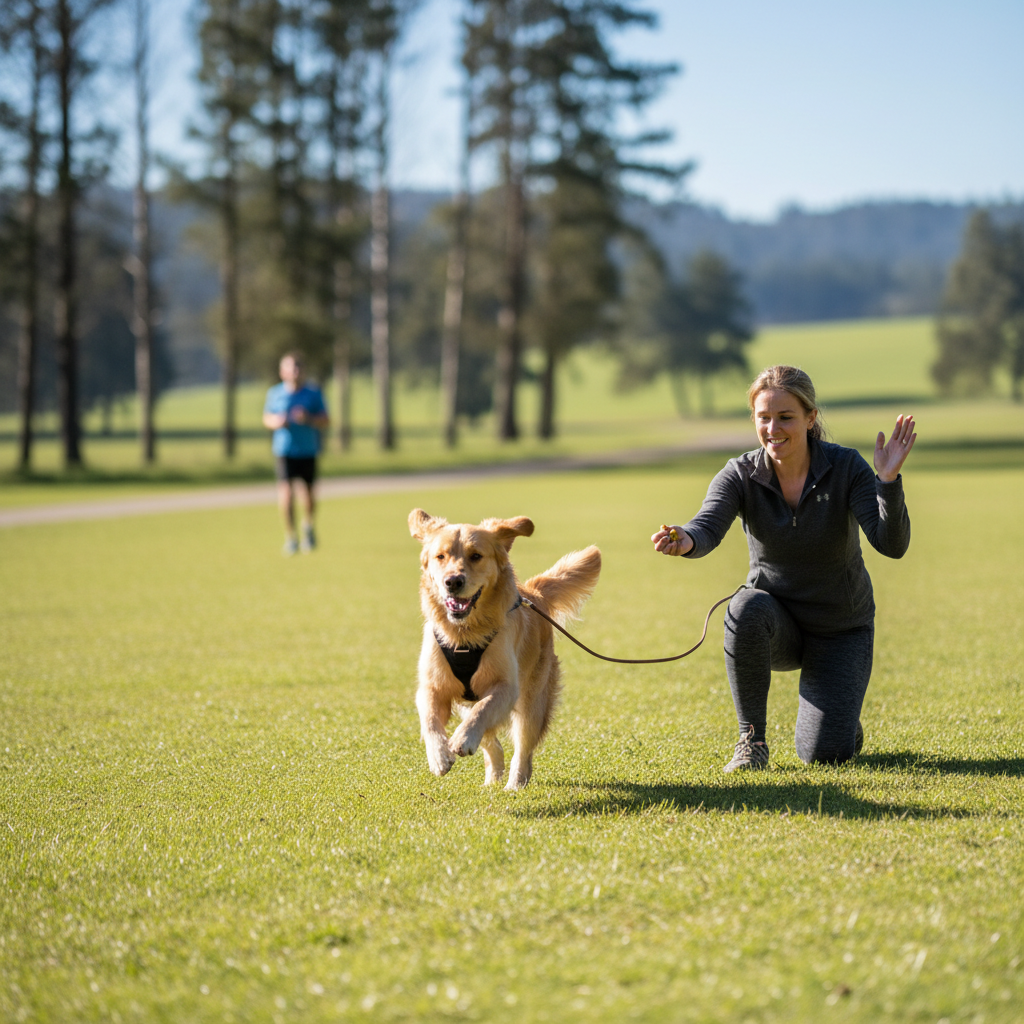
This is the fastest way to stop the “you called me so fun ends” pattern. Call your dog, reward, then release with a cue like “Go play.” Do this often enough and your dog stops treating recall like a trap.
A simple 2-week recall plan (and how to adjust it)
Realistically, reliable recall takes longer than two weeks for many dogs, but two weeks is enough to build momentum and stop common mistakes.
| Day Range | Goal | Where | What to Reward |
|---|---|---|---|
| Days 1–3 | Make the cue exciting | Indoors | Any fast turn toward you |
| Days 4–7 | Short recalls + gentle “capture” | Indoors, fenced yard | Arriving to your legs, allowing touch |
| Days 8–11 | Long line practice | Quiet outdoor area | Fast response with mild distractions |
| Days 12–14 | Proofing + real-life rewards | More distracting outdoor spots | Choosing you over the environment |
If your dog stalls, don’t grind through it. Reduce distance, improve rewards, or pick an easier location, then rebuild confidence.
Mistakes that quietly ruin recall (and what to do instead)
- Calling to punish: if your dog finally returns and you scold, you teach them returning is unsafe. If you’re upset, leash up calmly, then train later.
- Repeating “Come”: say it once. If your dog doesn’t respond, go get them using the long line, then make the next rep easier.
- Chasing your dog: it often turns into a game. Instead, run away a few steps, clap, or drop your energy and become interesting.
- Only rewarding sometimes too early: intermittent rewards are great later, but early on, pay frequently to build the habit.
- Skipping management: if your dog practices ignoring you off-leash, training progress usually slows down.
Key takeaway: if recall fails, it’s usually your training setup, not your dog being “defiant.” Adjust the situation and try again.
When to get professional help (and what “help” should look like)
If your dog regularly runs toward traffic, chases wildlife, or becomes aggressive when approached, recall training crosses into higher-risk territory. In these cases, it’s smart to work with a credentialed professional who can assess behavior, environment, and safety management.
- Look for a trainer who uses reward-based methods and can explain their plan clearly.
- If fear, anxiety, or reactivity shows up, consider a consult with a veterinary behavior professional, your veterinarian can help with referrals.
- If you’re unsure what credentials mean in your area, ask what they do when a dog “won’t comply,” the answer tells you a lot.
Wrap-up: make recall worth it, then make it real
If you want how to teach a dog to come when called to actually stick, build a happy association with the cue, practice on a long line, and reward the decision to choose you when the world feels more interesting. Keep sessions short, protect the cue from bad experiences, and don’t rush the off-leash leap.
Pick one small action for today, either charge the word 15 times in your living room, or do five easy long-line recalls outside with premium treats. Do that daily, and the behavior usually starts to feel less like a gamble.
FAQ
- How long does it take to teach recall?
Many dogs learn the basics quickly, but reliability around distractions often takes weeks or months, depending on environment, consistency, and your dog’s history with the cue. - Should I use a whistle for recall?
A whistle can be great because it sounds consistent and carries far. Train it the same way as a verbal cue, pair it with high-value rewards before using it outdoors. - What if my dog only comes when I show the treat?
Hide the treats in a pouch, call once, then reward after your dog commits and arrives. Over time, switch to variable rewards, and mix in life rewards like “go sniff.” - Is it okay to pick my dog up when they come?
Some dogs tolerate it, others hate it. If picking up is necessary, train handling separately with rewards, and keep recall rewards strong so coming to you stays positive. - Can I teach recall without a fenced yard?
Yes, a long line and a quiet open area can work well. Choose low-traffic spaces, avoid busy times, and prioritize safety over “testing” the cue. - What do I do if my dog ignores me outside?
Don’t repeat the cue. Use the long line to guide your dog in, then lower difficulty on the next rep by reducing distance or distractions and increasing reward value. - Should I ever use an e-collar for recall?
Opinions vary and outcomes can depend on skill and the individual dog, but for many households, reward-based training plus management is enough. If you’re considering tools that can cause discomfort, consult a qualified professional to discuss risks and alternatives.
If you’re already practicing and still feel stuck, it may help to get a trainer’s eyes on your setup, timing, and reward strategy, small tweaks often make recall training feel dramatically easier without changing your dog’s personality.