
how to get a dog to gain weight safely usually starts with one unglamorous question, is your dog truly underweight or just naturally lean.
A lot of well-meaning owners jump straight to “feed more,” then get stuck when nothing changes, or worse, they trigger vomiting, diarrhea, or a flare-up of a hidden condition. Healthy weight gain is slower than people expect, and that pace is part of what keeps it safe.
This guide focuses on practical, low-drama steps: how to confirm your dog needs weight, what commonly causes weight loss, which foods and feeding tactics tend to work, and when it’s time to bring in a veterinarian.
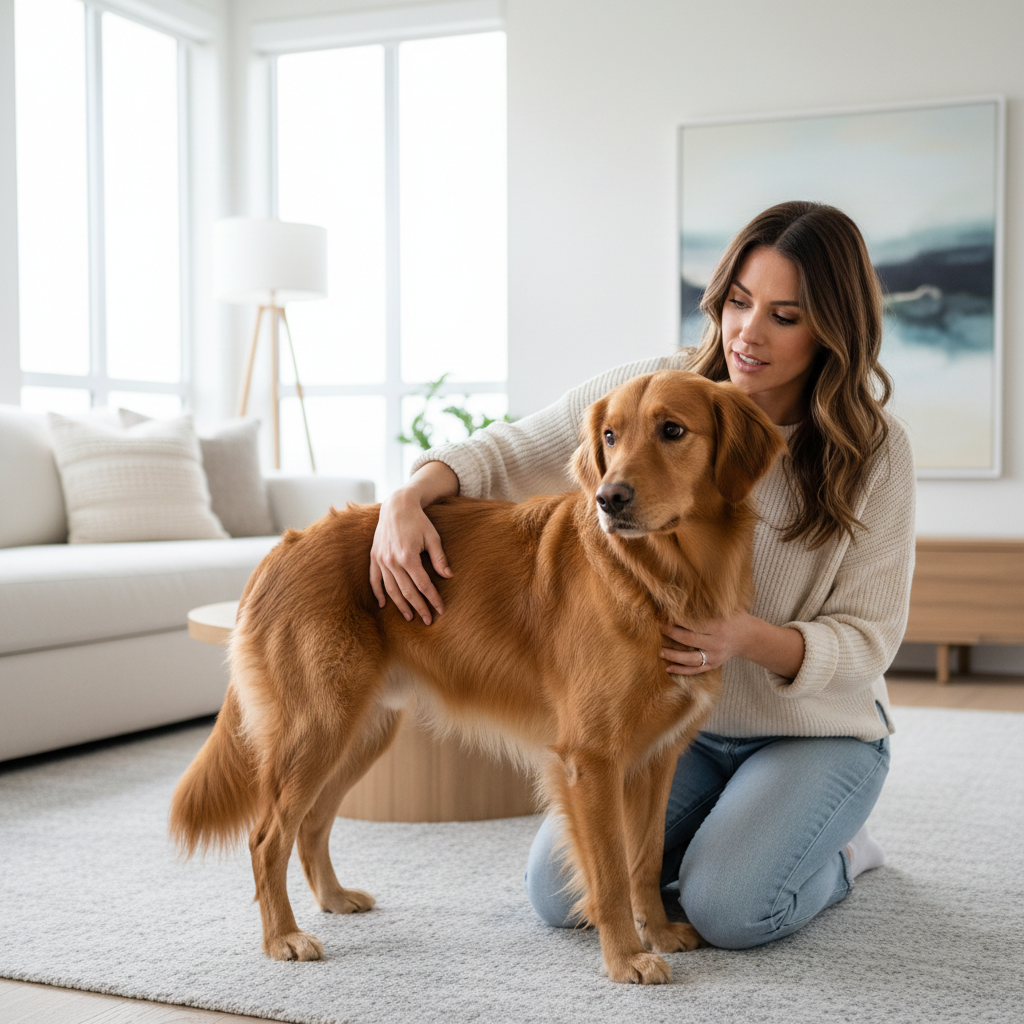
Confirm your dog actually needs to gain weight
Before you change the diet, get specific about what “too thin” means. Some breeds and mixes look sleek even when they’re perfectly healthy, so photos on social media can be a bad reference point.
Most clinics use a Body Condition Score (BCS), a simple scale based on ribs, waist, and abdominal tuck. According to WSAVA (World Small Animal Veterinary Association)... body condition scoring helps owners and vets track healthy weight trends over time, not just a number on a scale.
Quick at-home check (not a diagnosis)
- Ribs: You should feel ribs easily with light pressure, but they shouldn’t look sharply outlined in many dogs.
- Waist: From above, you should see a waist behind the ribs, but not an extreme “hourglass.”
- Energy and coat: Dull coat, low stamina, or muscle loss often matters more than looking “skinny.”
If you’re unsure, take two photos (side and top view) and bring them to your next appointment. It’s an easy way to get a clearer answer fast.
Why dogs fail to gain weight (the common real-world causes)
When weight won’t budge, it’s usually not because you “aren’t trying hard enough.” It’s because something is blocking calories from turning into body mass.
- Not eating enough total calories: Portions look big, but the food is low calorie, or too much gets left in the bowl.
- Feeding competition: Multi-dog homes often have a stealth “food thief” or a picky eater getting crowded out.
- Parasites: Intestinal worms can be subtle, especially in puppies or newly adopted dogs.
- Dental pain: Dogs with sore mouths often “act hungry” but quit early or drop kibble.
- GI issues: Chronic soft stool, vomiting, gas, or food intolerance can reduce absorption.
- High activity / working dogs: Their calorie burn is real, and standard feeding charts can under-shoot.
- Stress and transitions: Boarding, new homes, new pets, new baby, all can blunt appetite.
According to AVMA (American Veterinary Medical Association)... unplanned weight loss can signal an underlying health problem and is worth discussing with a veterinarian, especially if it’s rapid or paired with other symptoms.
Red flags: when to call the vet before changing food
If any of these show up, it’s smarter to pause the “bulking plan” and get guidance. In many cases, adding rich food on top of a medical issue just creates more mess and discomfort.
- Fast weight loss over days to a couple weeks
- Vomiting, recurring diarrhea, blood in stool, or black/tarry stool
- Increased thirst/urination, new accidents, or extreme hunger with weight loss
- Lethargy, weakness, coughing, or breathing changes
- Obvious dental pain, drooling, pawing at mouth, foul odor
- Puppies not growing or adults losing muscle along the back hips
Bring a 3–7 day food log to the appointment, including treats, chews, and table scraps. That detail is often what makes the visit productive.
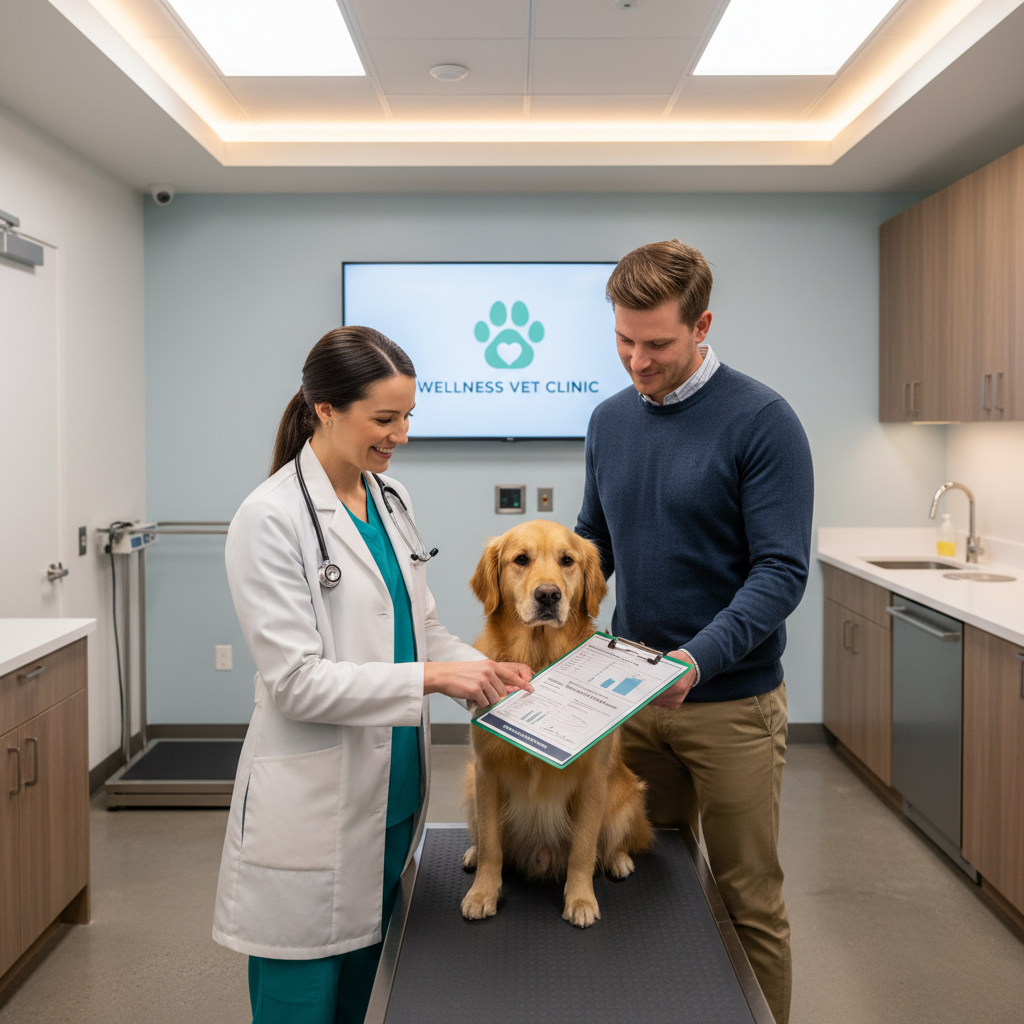
A safe weight-gain plan (steady, measurable, and realistic)
For most healthy dogs, safe gain looks like small increases in calories, consistent meal timing, and weekly tracking. Big jumps in rich food tend to backfire.
Step 1: set a simple tracking routine
- Weigh weekly (same scale, similar time of day). Pet store scales work if yours won’t stand still at home.
- Take two photos (top and side) every 2–4 weeks to see body changes.
- Note stool quality daily for the first two weeks of any diet shift.
Step 2: increase calories gradually
Many vets suggest starting with a small bump, then adjusting based on results. A common approach is adding roughly 10% more calories, watching for loose stool, then stepping up again if needed. Your dog’s ideal pace depends on size, age, and why they’re thin, so checking with a professional is reasonable.
Step 3: prioritize nutrient-dense calories
To learn how to get a dog to gain weight without upsetting their stomach, focus on foods that deliver calories plus protein, not just “more volume.” Muscle gain requires adequate amino acids and overall nutrition.
What to feed: calorie-dense options and what to avoid
There isn’t one perfect food for every dog. The safest path tends to be a complete-and-balanced diet, then targeted add-ons that don’t wreck digestion.
Food choices that often work well
- Performance/active formulas: Often higher calorie per cup, useful for athletic or high-energy dogs.
- Puppy food for adults (only with vet OK): Can be higher in calories and nutrients, but not ideal for every adult, especially large breeds.
- Wet food topper: Helps picky eaters and adds calories with less chewing effort.
- Prescription weight-gain or recovery diets: In some situations, vets recommend these for appetite support and digestibility.
Add-ons (small amounts, introduced slowly)
- Cooked egg (plain, no butter or seasoning)
- Plain yogurt (if your dog tolerates dairy)
- Fish oil (helps calorie density and skin/coat, dosing should be discussed with a vet)
Foods that commonly cause problems
- Fatty table scraps and greasy meats, which can trigger GI upset and, in some dogs, pancreatitis
- Sudden huge diet changes, a top reason for diarrhea
- “Mass gainer” supplements made for humans, not formulated for dogs
Feeding tactics that make thin dogs eat more (without a fight)
The goal is not just bigger bowls, it’s more consistent intake. If your dog eats like a bird, structure helps.
- Split into 3–4 smaller meals for better appetite and digestion.
- Warm wet food slightly to boost aroma, many picky dogs respond to smell.
- Feed separately in multi-pet homes, so the shy eater isn’t rushed.
- Limit “free choice” grazing if it leads to nibbling without finishing meals.
- Use measured portions so you can tell what’s actually eaten.
One detail people miss, treats count. If treats make up a big chunk of calories, your dog may skip balanced meals and still stay thin, or gain in a lopsided way.
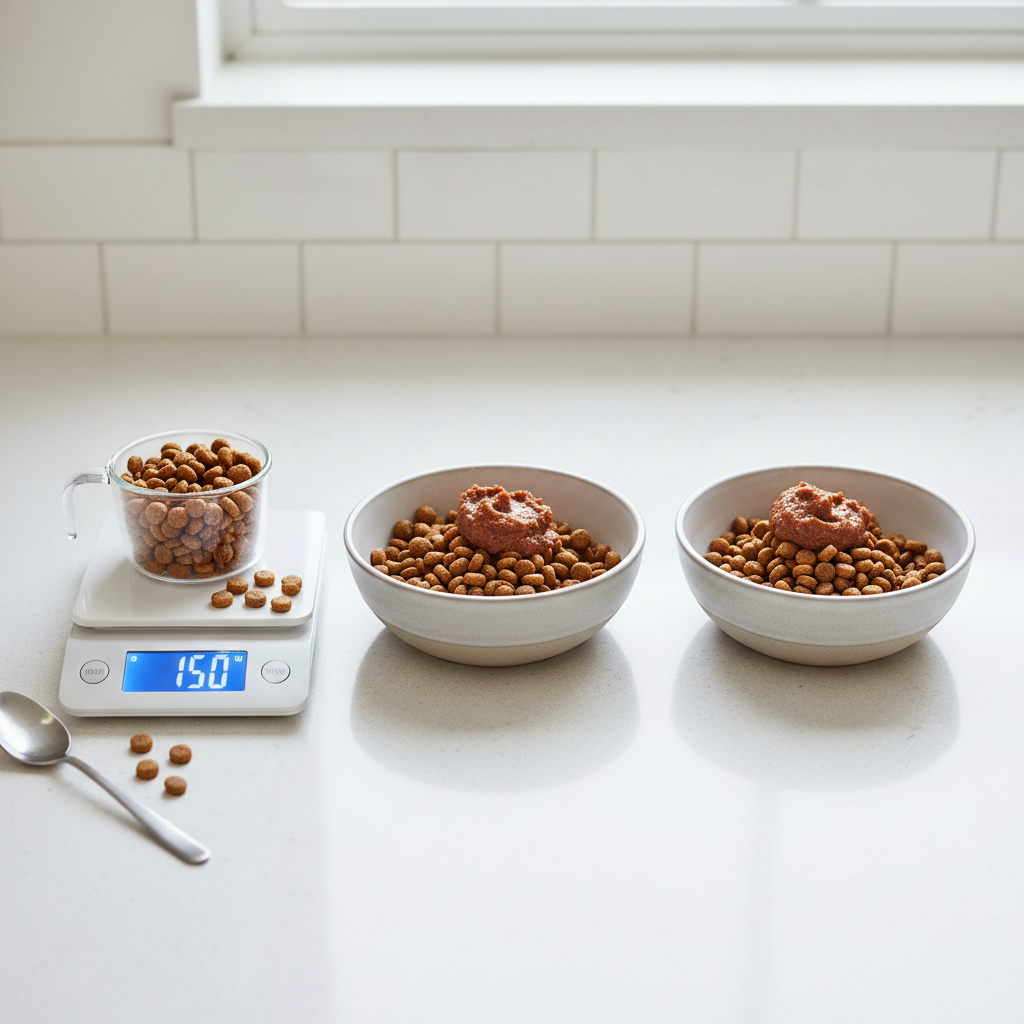
Practical guide: compare options (quick table)
If you’re deciding what to try next, this table can help you match the approach to your situation. Think of it as a starting point, not a medical directive.
| Situation | What often helps | What to watch for |
|---|---|---|
| Picky eater, otherwise healthy | Wet topper, warmed meals, 3–4 meals/day | Overusing treats, creating “hold out for better” habits |
| High-energy or working dog | Performance formula, calorie bump, bedtime snack | Too much fiber/low-calorie food, underestimating activity |
| Senior dog with chewing issues | Soft food, soaked kibble, dental check | Dental disease, pain-driven food refusal |
| Frequent loose stool | Vet consult, gradual change, highly digestible diet | Adding rich foods too fast, masking a GI condition |
| New rescue, stressed transition | Routine, quiet feeding area, consistent diet for 2–3 weeks | Constant food switching, overstimulation at meals |
Key takeaways (so you don’t overcomplicate it)
- Verify underweight using BCS thinking, not just “looks thin.”
- Rule out medical and dental issues when weight loss is unexplained or paired with symptoms.
- Increase calories gradually, measure intake, and track weekly.
- Choose calorie-dense, complete nutrition over random fatty extras.
- Use feeding structure (more meals, fewer distractions) to boost consistency.
Conclusion: steady gain beats quick fixes
If you’re learning how to get a dog to gain weight, the safest mindset is “slow and trackable.” A consistent diet, small calorie increases, and a clear read on stool and energy usually get you further than constant food switching.
Your next step can be simple: start a 7-day food log and schedule a weight check. If anything feels off, especially GI signs or rapid loss, getting a veterinarian’s input early can save time and prevent avoidable setbacks.