
how to clean dog paws after walk is one of those small routines that quietly saves your floors, your dog’s skin, and your sanity, especially when sidewalks are wet, salty, or full of pollen.
If you’ve ever found gritty paw prints on the couch, or watched your dog lick their feet for ten minutes after coming inside, you already know why this matters, paw care is hygiene, comfort, and prevention rolled into one.
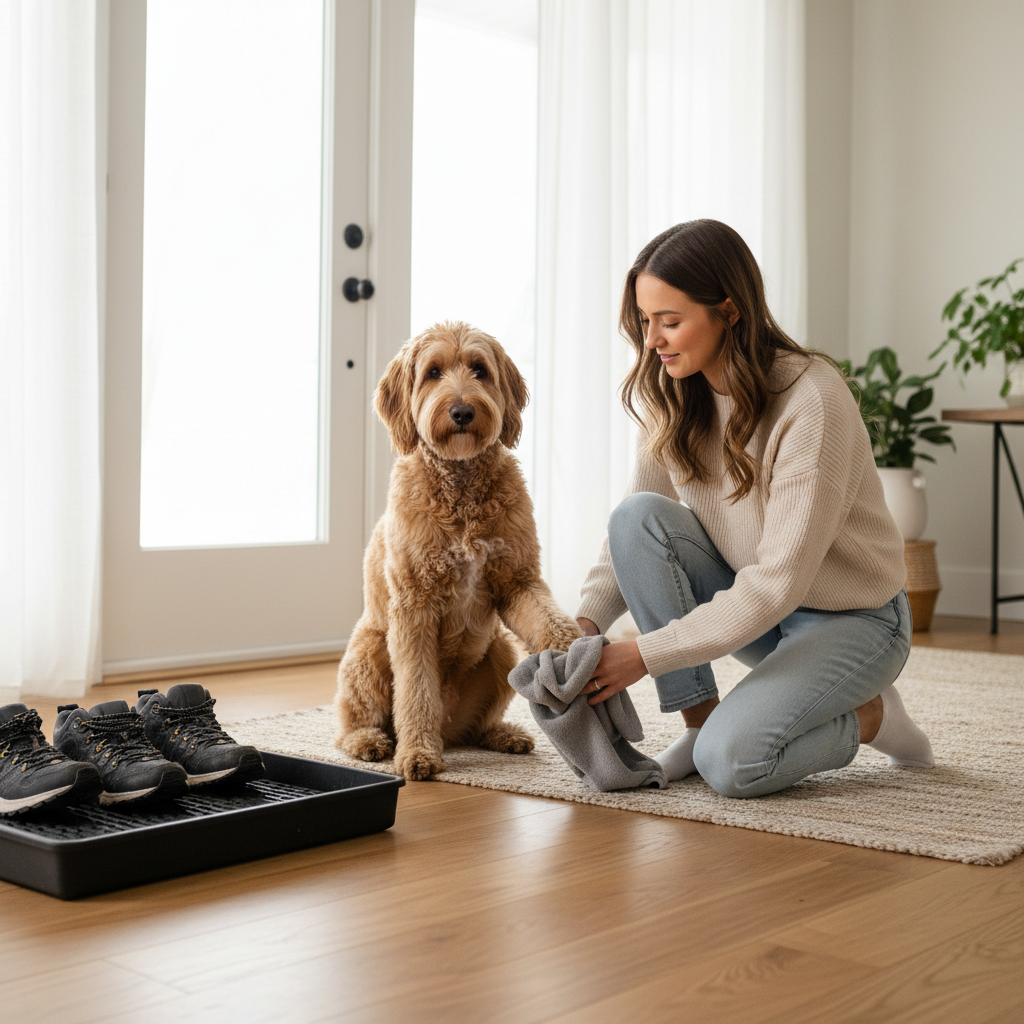
This guide keeps it practical: what to use, what to avoid, and how to adjust for rain, snow salt, hot pavement, or allergy season, plus quick checks so you catch problems early without turning every walk into a grooming session.
Why paw cleaning matters more than “keeping the house clean”
A quick wipe often looks like a cleanliness thing, but paws pick up irritants that can bother dogs long after the walk ends.
- Road salt and de-icers: can sting, dry skin, and make licking worse, many products irritate if left on pads.
- Allergens: pollen and grass can cling to fur between toes, in sensitive dogs this may trigger itching.
- Urban grime: oil, fertilizers, and sidewalk residue are common in many neighborhoods.
- Small injuries: grit hides tiny cuts, cracked pads, or foxtail-type plant material that can work inward.
According to the American Kennel Club (AKC), routine paw checks help spot cuts, cracked pads, and debris early, that’s usually easier than dealing with a bigger issue later.
Quick self-check: what kind of paw cleanup do you actually need today?
Not every walk needs the same level of cleanup, and over-washing can dry pads. Use this quick decision list at the door.
- Dry sidewalk, no visible dirt: a quick wipe or paw-dusting towel is enough.
- Wet grass or light mud: wipe plus a little water on a cloth.
- Snow, salt, or gritty sidewalks: rinse is usually worth it, then dry well between toes.
- Allergy season symptoms (licking, red skin): wipe or rinse every time, consider a hypoallergenic wipe.
- Sticky stuff (tar, sap, gum): spot-clean with a pet-safe approach, avoid harsh solvents.
Key point: if your dog starts limping, refuses to put weight down, or yelps when you touch a paw, skip the “quick routine” and do a careful inspection.
What to keep by the door: a simple paw-cleaning kit
This is where most people get stuck, they have supplies scattered around, so cleaning turns into a chore and gets skipped. A small “paw station” makes consistency easy.
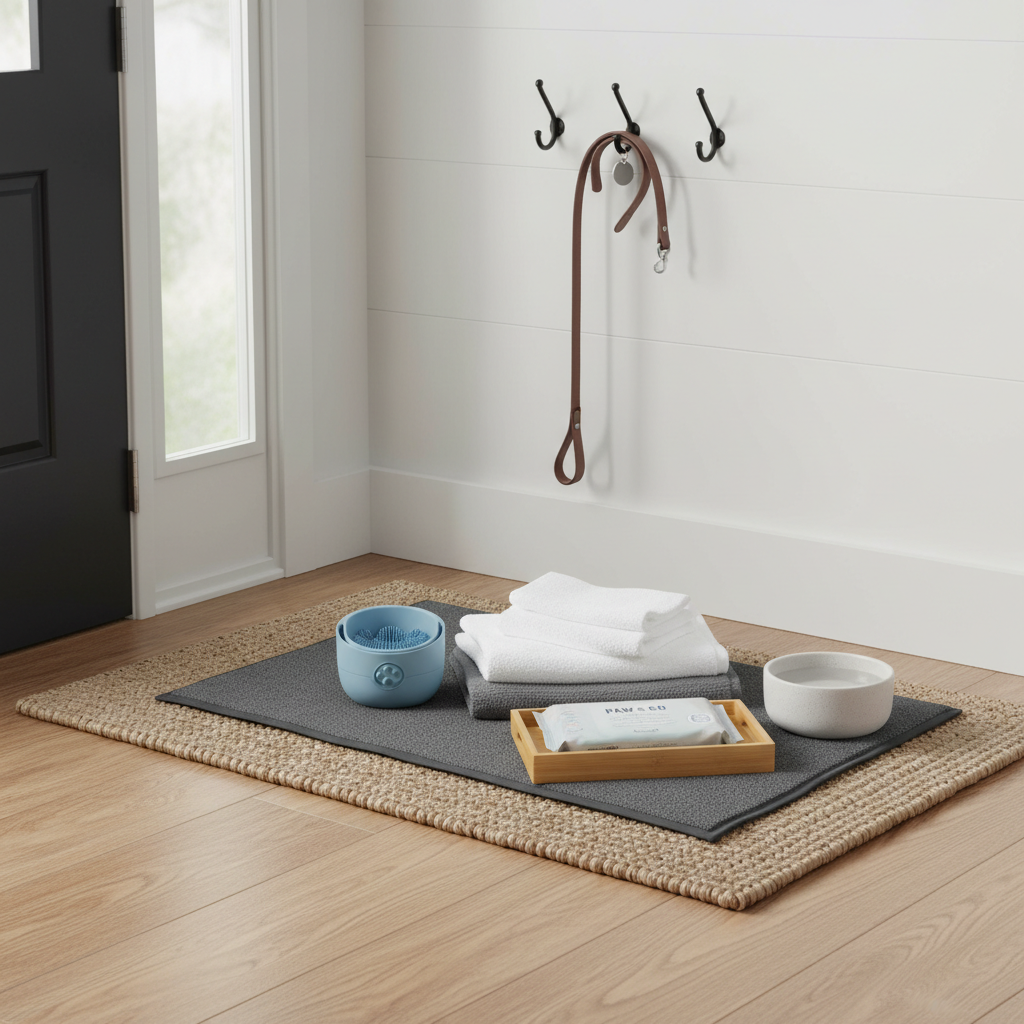
- Absorbent doormat or boot tray: buys you time before paws hit the floor.
- 2 microfiber towels: one damp for wiping, one dry for finishing.
- Pet-safe unscented wipes: helpful for quick cleans, avoid strongly fragranced wipes.
- Small bowl or squeeze bottle: for a controlled rinse if you don’t want a full bath.
- Paw washer cup (optional): useful for muddy dogs, but you still need to dry well.
- Flashlight + small comb: for checking between toes and around paw pads.
According to the ASPCA, products not made for pets can contain ingredients that may irritate skin or cause problems if licked, so it’s usually safer to stick with dog-specific or vet-recommended options.
Step-by-step: how to clean dog paws after walk (the routine most dogs tolerate)
The goal is speed, calm handling, and not leaving moisture trapped between toes.
1) Set the scene at the entry
- Ask for a quick sit or stand-stay if your dog knows it, if not, gentle restraint works.
- Keep treats handy, one small reward after each paw helps many dogs accept the routine.
2) Do a fast visual scan
- Look for pebbles, burrs, or clumps between toes.
- Check pads for cracks, redness, or bleeding.
3) Wipe or rinse, based on conditions
- Wipe method: damp microfiber towel, wrap the paw gently, wipe pads and between toes.
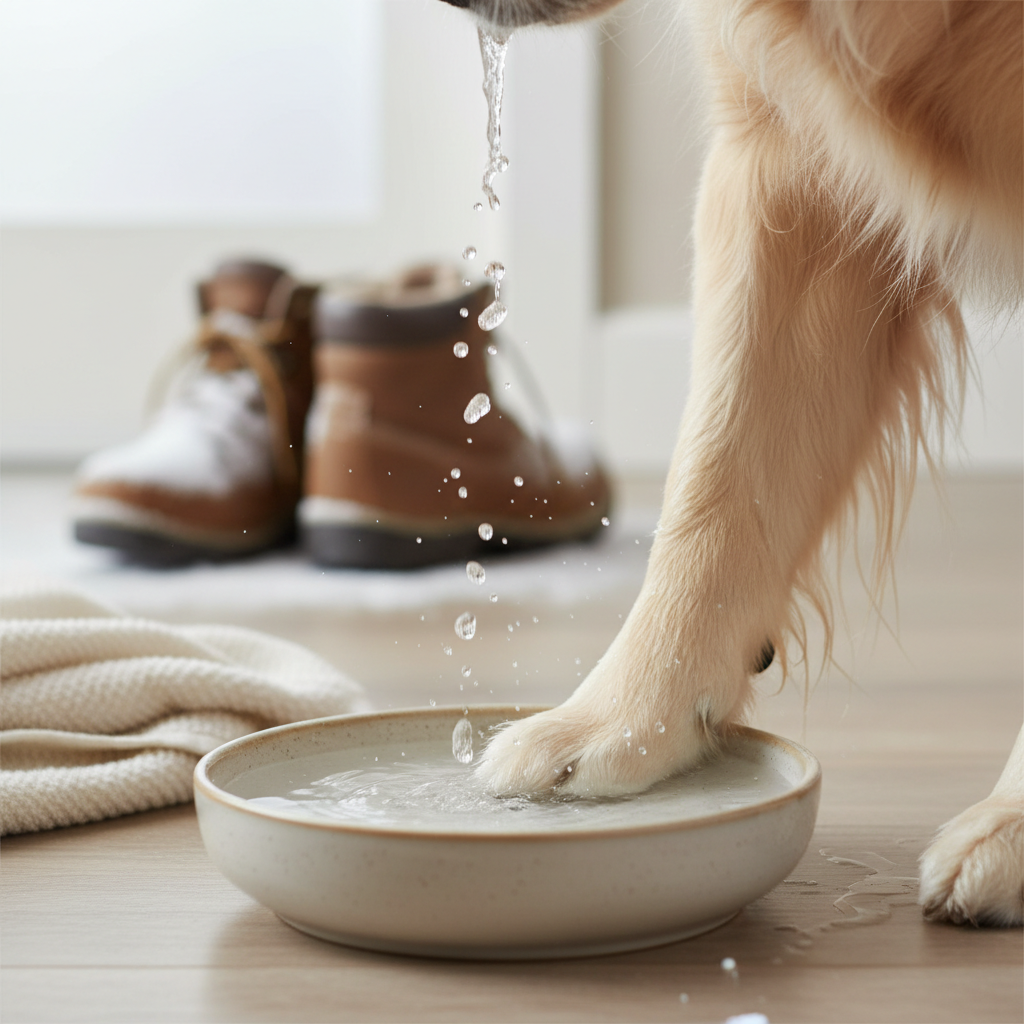
- Rinse method: lukewarm water in a bowl or paw washer, dip and swirl briefly, then wipe.
- Wipes method: pet-safe wipe, focus on pad grooves and toe webbing.
4) Dry thoroughly
- Press the dry towel into pads rather than rubbing aggressively.
- Don’t skip between-toe drying, trapped moisture can contribute to irritation.
5) Finish with a quick floor check
If the towel comes away gritty or gray, your dog likely needs the rinse method more often on that route.
Pick the right method: wipes vs rinse vs paw washer (comparison table)
Each option has tradeoffs, what works depends on your dog’s coat, your weather, and how much time you realistically have.
| Method | Best for | Pros | Watch-outs |
|---|---|---|---|
| Dry towel wipe | Dry days, light dust | Fast, no mess | Doesn’t remove salt or sticky grime well |
| Damp towel wipe | Light mud, mild allergens | Simple, low cost | Needs frequent towel washing |
| Pet-safe wipes | On-the-go cleanup | Convenient, controlled | Some dogs react to fragrance, don’t overuse |
| Quick rinse (bowl/squeeze bottle) | Salt, gritty sidewalks | Removes irritants better | Must dry well to avoid damp skin |
| Paw washer cup | Heavy mud, long fur between toes | Efficient for repeated muddy walks | Some dogs dislike the sensation, drying still required |
Real-world scenarios: adjust your routine for weather and surfaces
Most paw trouble comes from repeating the wrong routine for the season, a winter rinse matters more than a summer rinse, and vice versa for allergens.
Rain and mud
- Use a paw washer or bowl rinse for the first pass, then towel wipe for detail.
- Trim excess fur between paw pads if your groomer recommends it, long hair holds mud.
Snow and road salt
- Rinse is usually the most reliable option, then dry thoroughly.
- Consider dog booties on heavily treated sidewalks, many dogs adjust with a bit of practice.
Hot pavement season
- Cleaning matters, but prevention matters more, choose cooler times and shaded routes.
- If pads look red or your dog hesitates to walk, consider contacting a veterinarian.
High pollen days
- Wipe paws and lower legs, not just pads, pollen sticks to feathering.
- If itching persists, a vet can help you rule out infections vs seasonal allergies.
Common mistakes that make paw problems worse
- Using human disinfectants or harsh cleaners: many are irritating and unsafe if licked, if you’re unsure, ask your vet.
- Leaving paws damp: moisture trapped between toes can contribute to odor and irritation.
- Scrubbing too hard: a gentle wipe removes grime without abrading skin.
- Skipping nail and fur maintenance: overgrown nails and long paw hair change how dogs step, which can increase wear.
- Over-bathing paws daily with shampoo: many dogs end up with dry, cracked pads, spot-cleaning often works better.
Quick reality check: if you’re cleaning paws “perfectly” but licking continues, it may be less about dirt and more about allergy, yeast, or pain, that’s when the plan changes.
When to get professional help (and what to watch for)
Home cleaning is for routine dirt and mild irritation, not for symptoms that suggest infection, embedded debris, or significant injury.
- Swelling, heat, or pus around toes or nail beds
- Persistent limping or repeated paw lifting
- Strong odor, brown discharge between toes, or recurring redness
- Bleeding that doesn’t stop quickly with gentle pressure
- Foreign objects you can’t remove easily without causing pain
According to the American Veterinary Medical Association (AVMA), it’s a good idea to consult a veterinarian when you notice ongoing pain, swelling, or signs of infection, paw issues can look minor but escalate if the cause stays in place.
Conclusion: a clean-paws routine you’ll actually stick with
how to clean dog paws after walk comes down to matching the method to the day: wipe on dry routes, rinse after salt or heavy grime, always dry between toes, and do a quick visual check so small problems don’t turn into big ones.
If you want one action to start tonight, set up a tiny paw station by the door and run a two-minute wipe-and-dry routine for a week, consistency tends to beat complexity, especially with dogs who dislike handling.
FAQ
- Should I wash my dog’s paws every time we come inside?
Not always. Many situations only need a wipe, but salt, chemicals, or visible grime usually justify a rinse. If pads look dry or cracked, scale back and focus on gentle wiping and thorough drying. - What can I use to clean dog paws if I don’t have wipes?
A damp microfiber towel with lukewarm water works for most walks. For gritty conditions, a quick rinse in a small bowl helps, then dry carefully between toes. - Are baby wipes safe for dog paws?
Sometimes, but it depends on ingredients and fragrance. Many vets prefer pet-specific wipes because dogs lick paws, if you’re unsure, bring the ingredient list to your veterinarian. - How do I get road salt off my dog’s paws?
Rinse with lukewarm water and dry well. If your dog walks where de-icer is heavy, booties can reduce exposure, especially for dogs prone to licking. - My dog fights paw handling, what’s the easiest method?
Start with one paw at a time, reward after each paw, and keep sessions short. A towel wrap-and-press dry is often less annoying than fiddling with toes, you can build tolerance slowly. - What if my dog keeps licking paws after I clean them?
If the licking continues beyond a short “habit” period, it may signal irritation, allergy, or infection rather than dirt. Consider a vet check, especially if you see redness, odor, or swelling. - Can I use paw balm after cleaning?
Many dogs do fine with a pet-safe balm, especially in dry winter air, but apply lightly and monitor licking. If cracking is severe or painful, a veterinarian can guide treatment and rule out other causes.
If you’re trying to keep this routine simple, it often helps to standardize it: one towel for wiping, one for drying, and a quick rinse only on the days your route demands it, if paw irritation keeps coming back, a vet or groomer can help you tailor products and frequency without overdoing it.