
Dog ear cleaner solution choices matter most when an infection is in the mix, because the wrong formula or technique can irritate inflamed tissue, trap moisture, or delay treatment.
If your dog has ear odor, dark discharge, head shaking, or sudden sensitivity when you touch the ear flap, you’re not just “cleaning ears” anymore, you’re making decisions that can affect healing.
This guide breaks down what a cleaner can realistically do, what it can’t, how to choose a product by situation, and how to clean without making things worse. I’ll also flag the points where it’s smarter to stop and call your veterinarian.
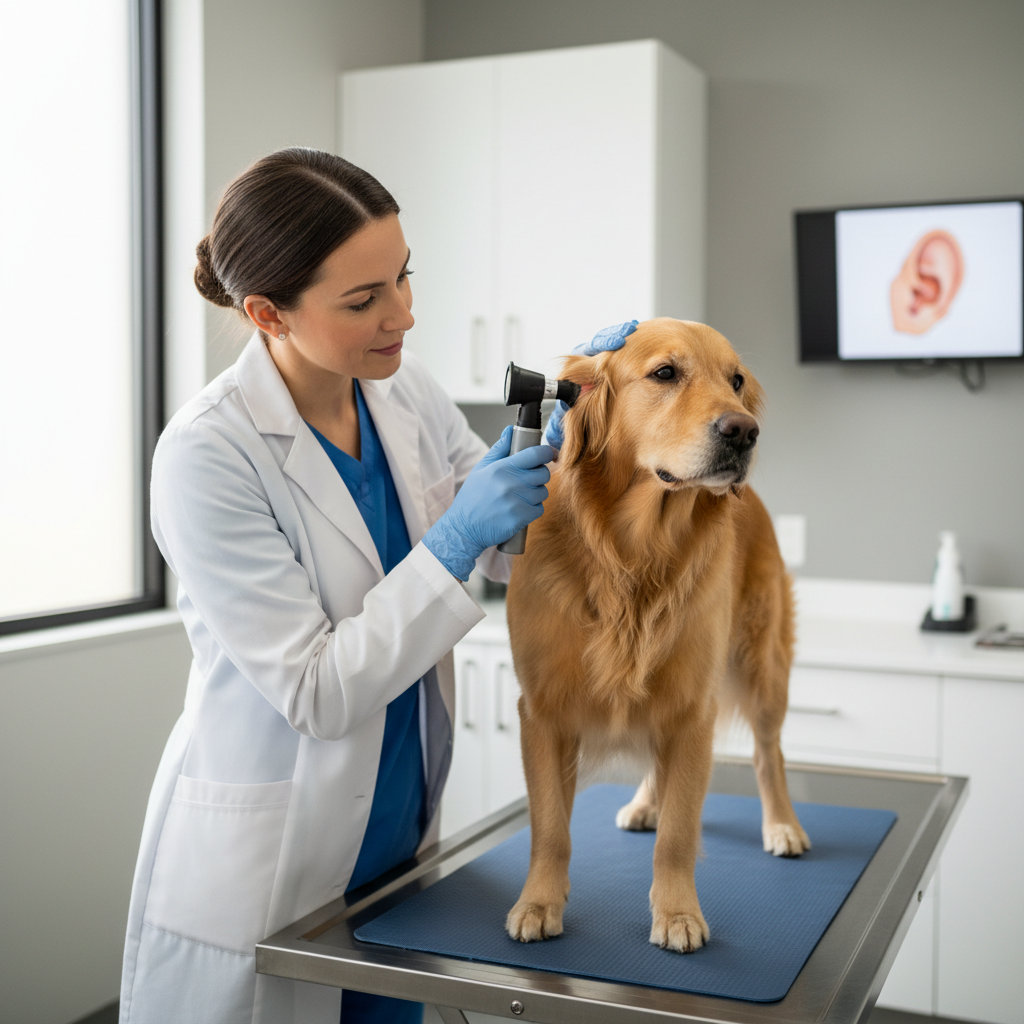
What an ear cleaner can (and can’t) do for an infection
An ear cleaner is mainly about removing wax, debris, and excess moisture, so medication (if needed) can reach the skin and the ear canal can calm down. That’s the useful part.
What it usually cannot do: “cure” an established bacterial or yeast infection on its own. Some cleaners include ingredients that discourage microbial overgrowth, but if the canal is already painful, swollen, or producing a lot of discharge, a cleaner is supportive care, not the whole plan.
According to the American Veterinary Medical Association (AVMA), ear problems are a common reason dogs see veterinarians, and evaluation matters because the cause can vary (infection, allergies, ear mites, foreign material, even anatomy).
- Helps: reduces gunk, smell from buildup, moisture after swimming, mild waxy ears.
- May help in early/mild cases: prevents a flare from getting worse when used correctly.
- Does not replace: prescription treatment when the eardrum status is unknown or infection is significant.
Key takeaway: If you suspect infection, choose a dog-safe cleaner that matches the situation, and don’t keep cleaning through pain.
Why dog ear infections keep coming back (so you can pick the right approach)
People often blame “dirty ears,” but recurring infections usually have a root driver. Cleaning can help manage the environment, yet it won’t fix the trigger.
- Allergies: environmental or food sensitivities can inflame the ear canal, then yeast/bacteria take advantage.
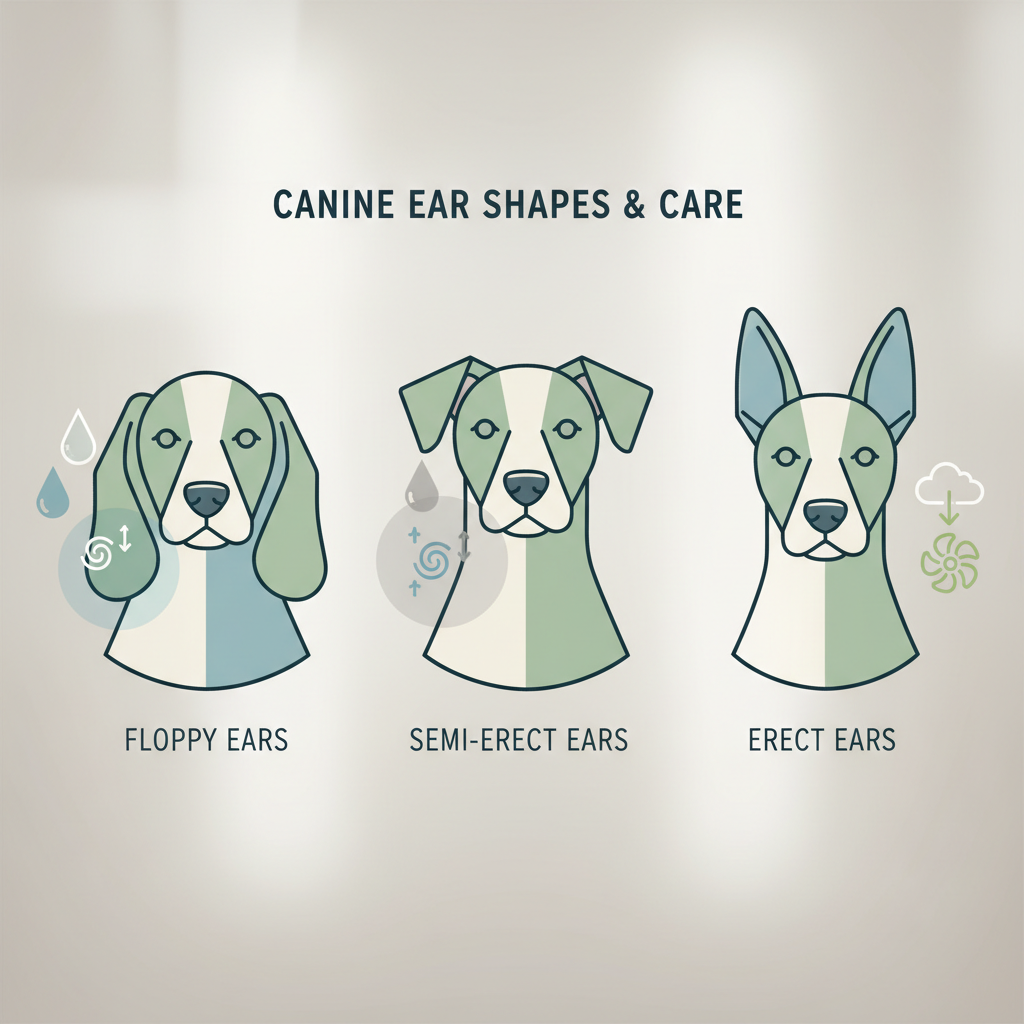
- Moisture: swimming, frequent baths, humid climates, or floppy ears that trap heat.
- Wax and hair: some dogs produce more wax or have hair that holds debris.
- Ear mites: more common in younger dogs, often very itchy.
- Foreign material: foxtails and plant awns can cause sudden, intense discomfort.
- Over-cleaning: harsh products or too-frequent cleaning can irritate skin and worsen inflammation.
According to the American Kennel Club (AKC), many dogs are prone to ear issues because of ear shape and moisture, and consistent, gentle care can help, but persistent cases need veterinary guidance.
Quick self-check: is this “routine cleaning” or likely infection?
You don’t need to diagnose the exact organism at home, but you can sort your dog into a “safe to clean gently” bucket versus “pause and get seen” bucket.
Usually okay to try gentle cleaning (and monitor)
- Mild waxy buildup with minimal odor
- No yelping, no strong head shaking
- Ear flap looks mostly normal, not angry red
- Dog tolerates touching the ear comfortably
More consistent with infection or complications
- Strong odor that returns fast after cleaning
- Yellow/green discharge, or thick brown/black debris
- Marked redness, swelling, or heat in the ear
- Head tilt, loss of balance, or seeming “off”
- Pain when you lift the ear flap or touch near the opening
If you land in the second list, a dog ear cleaner solution might still be used, but often only after a vet checks the ear canal and eardrum and tells you what’s safe.
Choosing a dog ear cleaner solution: what to look for (with a practical table)
Labels can be vague, so focus on what the formula is trying to do: dry, dissolve wax, or support a healthy ear environment. If your dog has a history of ruptured eardrum, chronic infections, or a lot of pain, confirm product choice with your veterinarian.
| Situation | What a cleaner should do | Helpful label cues | What to avoid |
|---|---|---|---|
| Swimmers/bathy dogs, damp ears | Dry the canal, reduce moisture | “Drying,” “acidifying,” “for swimmers” | Oily products that trap moisture |
| Waxy buildup, “gunky” ears | Loosen and lift wax/debris | “Ceruminolytic” (wax-dissolving), gentle surfactants | Harsh solvents if skin looks raw |
| Yeast-prone history (recurring) | Support a low-yeast environment | “Antifungal support,” “pH balanced,” “acidifying” | Overuse that causes dryness/irritation |
| Active painful flare | Minimal irritation, prep for vet meds | Vet-recommended, very gentle formulations | Cleaning through pain; unknown home mixtures |
Reality check: the “best” dog ear cleaner solution depends on whether your dog’s issue is mostly wax, mostly moisture, or inflammation driven by allergies. One product rarely covers every dog.
How to clean safely when infection is suspected (step-by-step)
This is the part many owners rush, and it’s where irritation happens. Go slower than you think you need to, and stop if your dog shows pain.
What you need
- Dog-specific ear cleaner
- Cotton balls or gauze (not cotton swabs)
- Towel, plus treats for cooperation
Steps that work for most dogs
- Inspect first: if you see heavy swelling, bleeding, or your dog can’t tolerate touch, skip cleaning and call the vet.
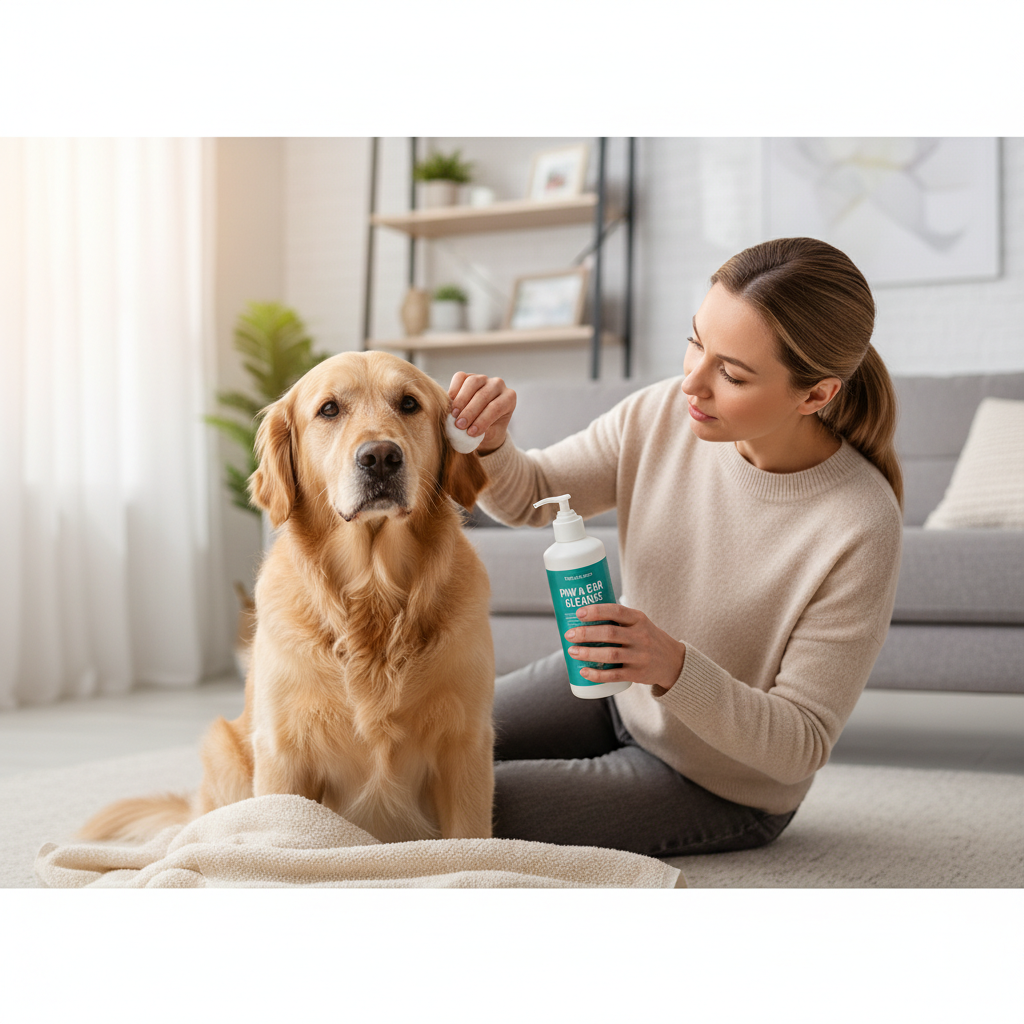
- Fill the canal gently: lift the ear flap, place the tip near the opening, and squeeze enough solution to wet the canal.
- Massage 20–30 seconds: you should hear a soft “squish,” that’s debris loosening.
- Let your dog shake: shaking helps bring material outward.
- Wipe what you can see: use cotton/gauze to remove debris from the inner ear flap and the opening, without pushing deep.
- Repeat once if needed: if the cotton comes out very dirty, one more pass is usually enough for a session.
If your veterinarian prescribed ear drops, many clinics recommend cleaning first, waiting a short time for the canal to dry a bit, then applying medication. Timing can vary, so follow your vet’s instructions.
Common mistakes that make infections harder to clear
- Using cotton swabs deep in the canal: it can pack debris inward and irritate fragile skin.
- Cleaning too often: daily cleaning “just in case” often backfires, especially with drying formulas.
- Switching products constantly: if the ear stays inflamed, changing cleaners without a diagnosis can add irritation without fixing the cause.
- Home mixtures: vinegar, peroxide, alcohol blends show up online, but they can sting badly on inflamed tissue and may be unsafe if the eardrum is compromised.
- Stopping early: when infection is confirmed and medication prescribed, stopping as soon as odor improves is a classic reason symptoms rebound.
According to the FDA, you should use animal drugs as directed and talk with a veterinarian about side effects or product safety concerns, which is especially relevant when ears are painful or chronically infected.
When a vet visit is the safer move
If you’re on the fence, this is a decent rule: mild wax can be handled at home, pain and discharge deserve a closer look.
- Symptoms last more than 48–72 hours despite gentle cleaning
- Visible swelling, ulceration, or bleeding
- Head tilt, balance issues, unusual eye movements
- Suspected foreign body, especially sudden one-ear pain
- Repeated infections every few weeks or months
A veterinarian can examine the canal, check the eardrum, and in many cases do cytology, a quick microscope check of debris, to guide whether yeast, bacteria, or both drive the flare. That’s what makes treatment faster and less guessy.
Conclusion: a realistic plan for cleaner use during infection risk
A dog ear cleaner solution is most helpful when you treat it as targeted support: keep ears dry and clear, reduce buildup, and make any prescribed treatment work better, not as a substitute for diagnosis when pain and discharge show up.
If you want a simple next step, pick one dog-safe cleaner that matches your dog’s pattern, clean gently no more than needed, and track what you see and smell for a week. If the ear looks angrier, your dog seems uncomfortable, or symptoms return quickly, it’s time to bring your notes to the vet and let them steer the plan.
FAQ
What is the best dog ear cleaner solution for an infection?
It depends on what “infection” means in your dog’s case. Many dogs need a gentle cleaner to remove debris plus a vet-prescribed medication to clear yeast or bacteria. If the ear is painful or producing discharge, a vet exam is usually the safest way to choose.
Can I use a dog ear cleaner solution every day during a flare-up?
Usually not a great idea unless your veterinarian told you to. Over-cleaning can irritate inflamed skin and keep the canal wet. Many owners do better with a single thorough clean, then following the treatment plan.
Is a drying ear cleaner safe for dogs that swim a lot?
Often, yes, drying formulas are used for moisture-prone dogs, but if your dog already has red, raw ears, those products may sting. If swimming triggers repeated ear problems, ask your vet about a preventive schedule and product type.
Why does my dog’s ear still smell after cleaning?
If odor returns quickly, it can point to yeast or bacterial overgrowth deeper in the canal, not just surface wax. Cleaning helps remove buildup, but persistent smell often needs diagnosis and medication.
Should I clean before using prescription ear drops?
Many veterinarians recommend cleaning first so medication contacts the skin, but timing can vary by product and by how sore the ear is. If your dog reacts painfully to cleaning, pause and ask your clinic what they prefer.
Can ear mites be treated with a cleaner alone?
A cleaner can remove debris and make the ear more comfortable, but mites usually require a specific parasiticide. If you suspect mites, especially in a puppy or newly adopted dog, a vet visit saves time.
What if my dog won’t let me clean the ear at all?
That’s commonly pain, and pushing through can create fear around handling. Ask your veterinarian about pain control, in-clinic cleaning, and whether sedation is appropriate for severe cases.
Key points to remember
- Cleaners support treatment by removing debris and moisture, they don’t always cure infection.
- Pain, swelling, or discharge usually means it’s time for a vet exam.
- Match the formula to the pattern: moisture vs wax vs recurring yeast-prone ears.
- Gentle technique beats aggressive scrubbing, and cotton swabs don’t belong in canals.
If you’re dealing with recurring ear issues and want a more hands-off routine, it may help to bring your current dog ear cleaner solution (and a photo of the discharge or redness on a bad day) to your vet, then build a simple maintenance plan you can repeat without guessing each time.