
Dog cooling mat summer shopping sounds simple until your dog still pants like a little steam engine, or the mat turns into a chew toy by day two. The good news, most cooling mats do help in hot weather, but only if you pick the right type and use it in the right spot.
Heat risk is real for many U.S. dogs, especially brachycephalic breeds (short-nosed), seniors, overweight dogs, and pups with thick coats. A cooling mat is not “medical equipment,” but it can be a practical comfort tool that lowers the heat load during naps, crate time, road trips, and post-walk recovery.
This guide breaks down what cooling mats actually do, how to tell if your dog needs one, what to buy (without overpaying), and how to use it safely. I’ll also flag the common mistakes that make people think “these don’t work,” when the setup is the issue.
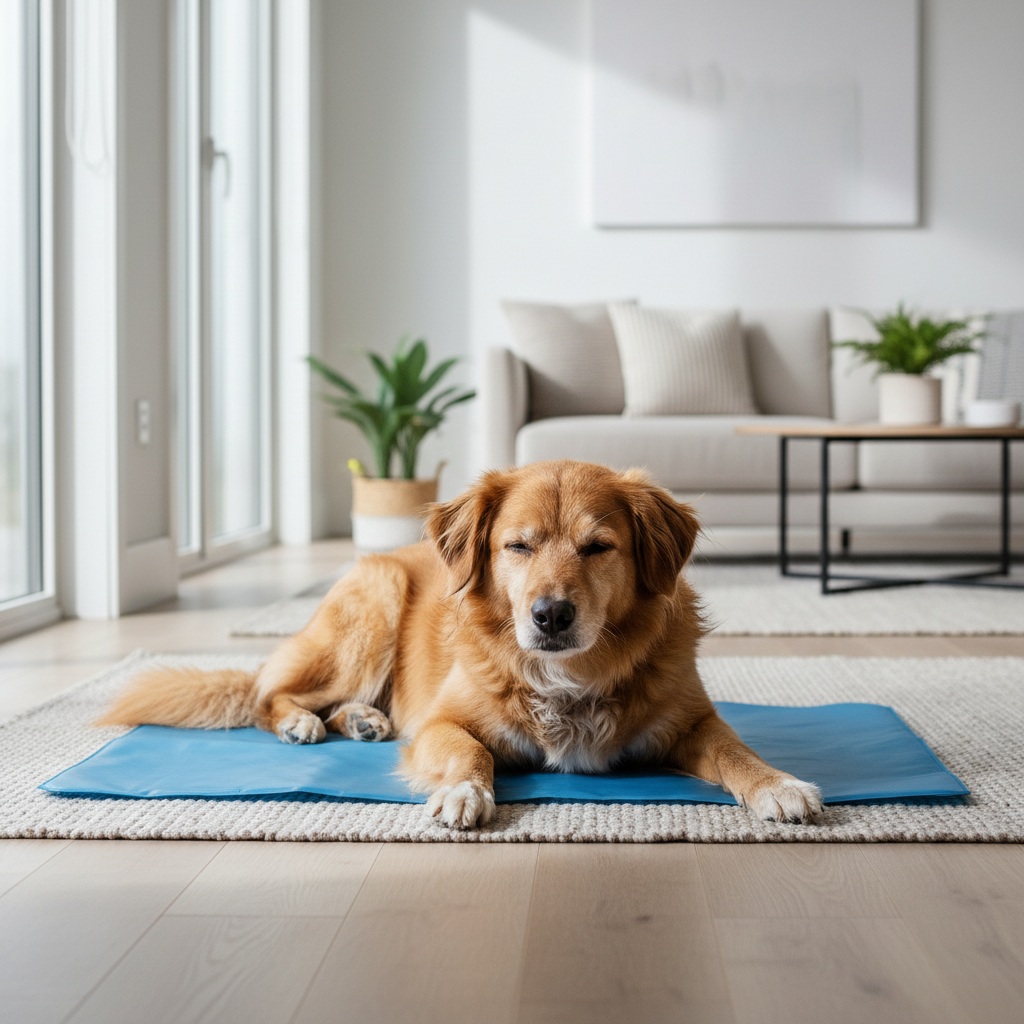
How a dog cooling mat helps in summer (and what it can’t do)
A cooling mat mainly works by pulling heat away from your dog’s body through contact, then releasing that heat into the surrounding air. That’s conduction, not magic, so the room environment still matters.
Here’s what a cooling mat can realistically do in summer hot weather:
- Provide a cooler resting surface than carpet, foam beds, or sun-warmed floors
- Reduce panting during rest for many dogs (especially after a walk)
- Create a “cool zone” in a crate, car, office corner, or shaded patio
What it usually can’t do: replace shade, airflow, hydration, and sensible activity timing. If your home is 85°F with no AC and no fan, a mat can help, but it won’t “fix” the whole situation.
According to the American Veterinary Medical Association (AVMA), pets are at risk of heat-related illness in warm weather and should have access to shade, water, and cool environments, and owners should avoid leaving pets in cars.
Types of cooling mats: gel, water, phase-change, and breathable pads
Not all “cooling mats” feel the same or fit the same households. If you choose based only on price or Amazon stars, you often end up with the wrong category.
Quick comparison table
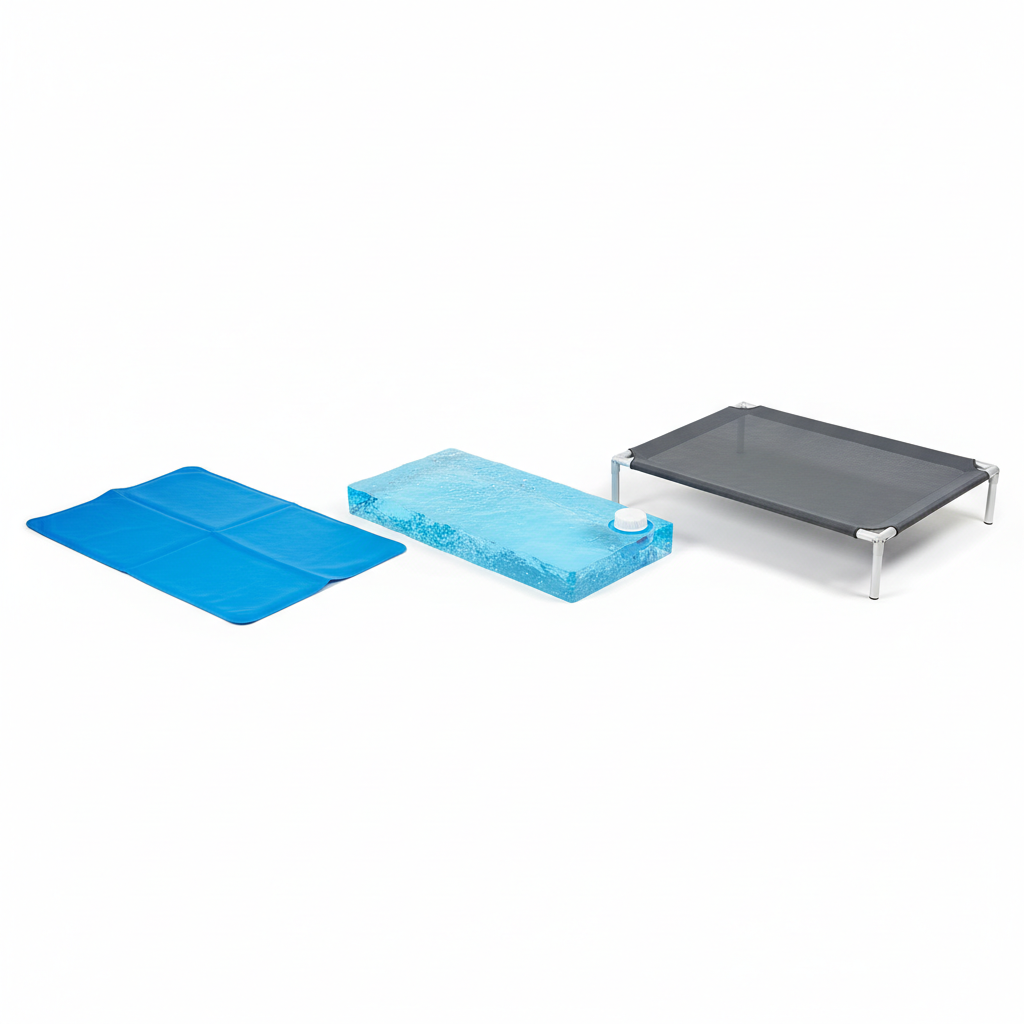
| Type | How it cools | Best for | Watch-outs |
|---|---|---|---|
| Pressure-activated gel | Heat transfer into gel, then dissipates | Indoor naps, crates, quick setup | Puncture risk if chewed; cooling “recharge” depends on room temp |
| Water-filled | Water absorbs heat, can be chilled | Dogs needing longer cooling sessions | Heavier, leak risk, setup fuss |
| Phase-change material (PCM) | Melts/solidifies at a set temp range | More consistent feel, moderate climates | Usually pricier; needs “reset” time too |
| Breathable/mesh cooling pad | Airflow under body reduces heat buildup | Chewers, outdoors with shade + breeze | Less dramatic cooling on still, humid days |
If your dog tends to chew seams, a gel mat is often the first to fail. In that case, a raised mesh cot or a more durable breathable pad can be the smarter “cooling mat summer” solution, even if it feels less icy to the touch.
Do you actually need a cooling mat? A fast self-check
Some dogs love a cool surface year-round, others ignore it. Before you buy, run this quick checklist and be honest about your environment.
- Your dog seeks tile or bathtub floors to rest during warm days
- Panting stays high even after 10–15 minutes of indoor rest
- Thick coat, short nose, senior age, or extra weight makes heat management harder
- Your dog spends time in a crate (less airflow, heat builds up)
- Summer walks are unavoidable and you want a cool-down station at home
If none of those apply and your home stays comfortably cool, you may get more value from a simple breathable bed, a fan placement tweak, or changing walk times. But if two or more hit home, a dog cooling mat in summer can be a noticeable comfort upgrade.
How to choose the right size, materials, and features
The best mat is the one your dog actually lies on, and that usually comes down to size, surface feel, and durability.
Size: don’t buy “just big enough”
Many dogs sprawl when they’re hot. A mat that fits only in a curled position often gets ignored. Aim for a mat length close to your dog’s nose-to-tail measurement, or choose the next size up if you’re between sizes.
Cover material: your cleaning routine matters
- Wipe-clean surfaces are great for drool, muddy paws, and quick resets
- Removable covers help if your dog has allergies or sheds heavily
- Textured tops can prevent slipping on hardwood, but may trap hair
Durability features worth paying for
- Reinforced seams and thicker outer film (especially for gel mats)
- Non-slip base if used on tile or laminate
- Certainty on what’s inside (basic material disclosure and care instructions)
If you’re using a dog cooling mat summer setup inside a crate, measure the crate floor and confirm the mat can lie flat without folding, folds create warm pockets and can stress seams.
Best ways to use a cooling mat (real-world setups that work)
Placement is where many people unknowingly sabotage results. Cooling mats work best when the mat can dump heat into cooler air, so give it a chance.
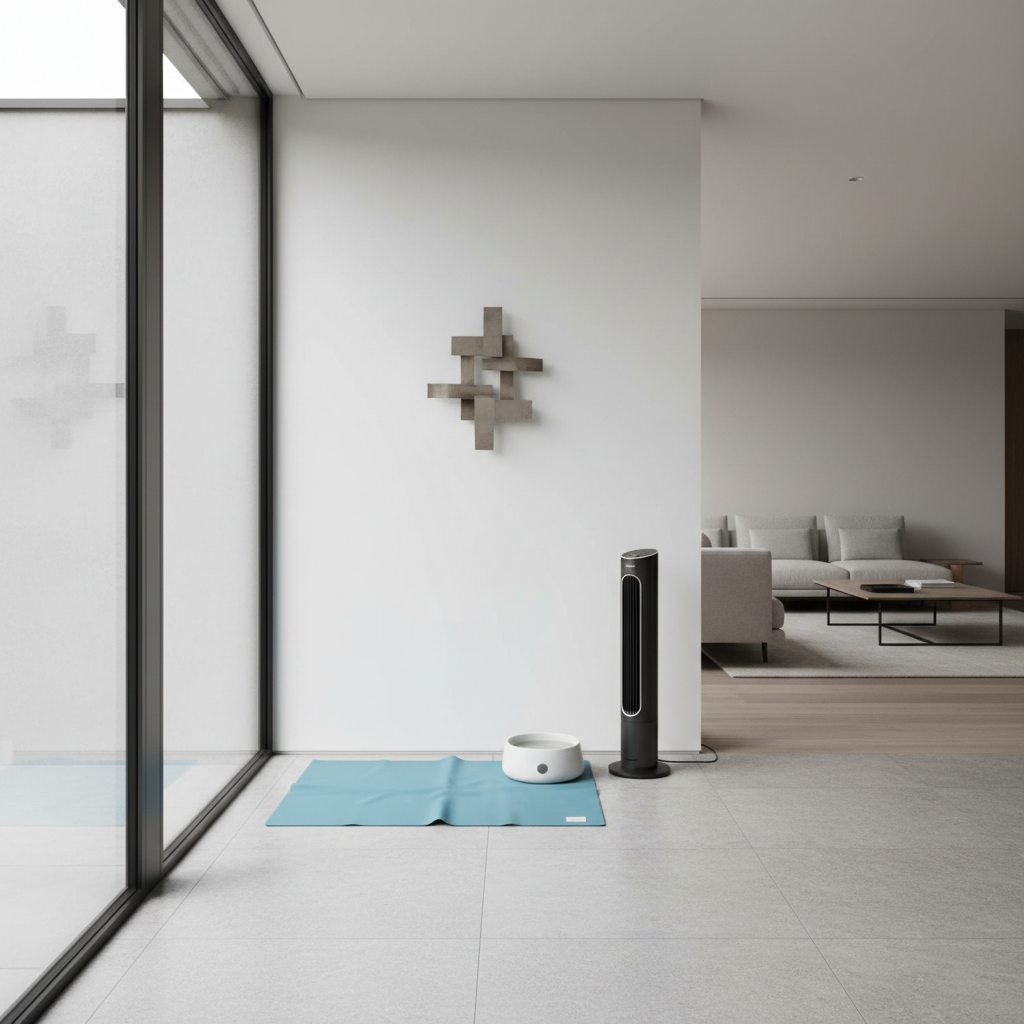
Indoor “cooling station” setup
- Pick a shaded spot, away from direct sun through windows
- Place the mat on a hard floor if possible, not on thick carpet
- Add gentle airflow nearby (fan across the room, not blasting the face)
- Keep a water bowl within easy reach
Post-walk cool-down routine (5–10 minutes)
- Offer water, then guide your dog to the mat
- Let them settle naturally, avoid forcing contact
- If your dog is very warm, a slightly damp towel on paws/belly can help, but avoid ice-cold shock
Crate, car, and travel
In crates, a mat can reduce heat buildup during naps. In cars, be careful: if the cabin is hot, a mat won’t compensate. According to the American Red Cross, heat can become dangerous quickly in enclosed spaces; for pets, it’s safer to focus on ventilation and temperature control rather than relying on a mat.
Safety notes and common mistakes (what usually goes wrong)
This is the part people skip, then blame the product. A cooling mat is simple, but summer conditions and dog behavior are not.
- Chewing or punctures: If your dog destroys bedding, supervise early use, and consider a raised mesh cot instead of gel.
- Direct sun: A mat in sunlight warms up fast, sometimes faster than you expect.
- Wrong surface: Thick rugs trap heat under the mat, reducing the cooling effect.
- Expecting “cold”: Many mats feel cool, not freezing. The goal is comfort and heat transfer, not an ice pack.
- Not cleaning often enough: Oils and hair create a film, making the surface less pleasant so dogs avoid it.
If your dog shows signs that could suggest heat stress, like heavy panting that doesn’t settle, drooling, weakness, vomiting, or collapse, don’t troubleshoot the mat. Move to a cooler area and contact a veterinarian promptly. According to the ASPCA, heatstroke can become a serious emergency for pets.
Practical buying tips: what to look for without overthinking it
Most people want a clear answer: what should I buy for my dog and my summer? Here’s a grounded way to decide without turning it into a research project.
- If you want simple, indoor use: a thicker gel mat with a wipe-clean surface, sized up.
- If your dog runs hot for long stretches: a water-filled or PCM-style option, plus a realistic plan for “reset” time.
- If you have a chewer or multi-dog home: a raised breathable cot, and treat “cool” as airflow-driven comfort.
- If you live in humid regions: pair the mat with airflow; humidity can make cooling feel less effective.
Also, check return terms and warranty language. Cooling mats are a wear item, and policies vary, especially around punctures and chewing.
Key takeaways (so you can act today)
- Dog cooling mat summer use works best in shade, on hard floors, with airflow nearby.
- Pick the mat type based on behavior first: chewer vs. gentle sleeper matters more than brand.
- Size up so your dog can sprawl, that’s when mats get used.
- If heat illness seems possible, skip gear experiments and get veterinary guidance.
Conclusion: a cooling mat is a tool, not a substitute for smart heat habits
If your dog looks uncomfortable during summer hot weather, a cooling mat can be a low-effort way to make rest time easier, especially after walks or during crate naps. The “win” comes from matching the mat type to your dog’s habits and placing it where it can actually release heat.
If you want one next step, set up a shaded cooling station today and see whether your dog chooses it without prompting. If they do, you’ve basically answered your own question about value.
FAQ
- What is the best dog cooling mat for summer heat?
It depends on your dog’s habits and your home. For many households, a thicker gel mat works well indoors, while chewers often do better with a raised mesh cot that boosts airflow. - Do cooling mats work in humid weather?
They can, but the effect may feel less dramatic because the environment makes heat harder to shed. Pairing the mat with a fan and shade usually improves results. - How long does a gel cooling mat stay cool?
Many gel mats cool for a period, then need time to “recharge” as heat disperses into the room. In warmer rooms, recharge can take longer, so rotating mats can help in some setups. - Can I put a dog cooling mat in the freezer?
Some products allow pre-cooling, others don’t. Follow the manufacturer’s care instructions to avoid cracking materials or creating an overly cold surface that your dog avoids. - Is a dog cooling mat safe for puppies?
Often yes with supervision, but puppies chew and scratch more, which raises puncture risk. If your puppy mouths bedding, a durable raised cot might be safer than gel. - Where should I place a cooling mat for best results?
Use a shaded area away from sunny windows, ideally on tile or another hard floor. Avoid thick carpet, and keep water nearby. - What signs mean my dog might be overheating even with a cooling mat?
Heavy panting that doesn’t ease, lethargy, vomiting, wobbliness, or collapse are red flags. Move to a cooler environment and contact a veterinarian, since heat illness can escalate quickly.
If you’re trying to choose a dog cooling mat for summer without wasting money, start by listing your dog’s “non-negotiables” (chewing, crate use, size, cleaning). A short comparison list makes it much easier to pick a mat that fits your day-to-day life, not just the product page.