
Cat window perch sturdy is usually what people type after a scary moment: the seat shifts, the suction cups pop, or your cat hesitates to jump up because it just doesn’t feel stable.
A good window perch should do two things at once, hold your cat’s weight with a real safety margin, and make sun-bathing feel effortless. The catch is that “sturdy” depends on your window type, your cat’s size and jumping style, and even your home’s temperature swings that affect suction.
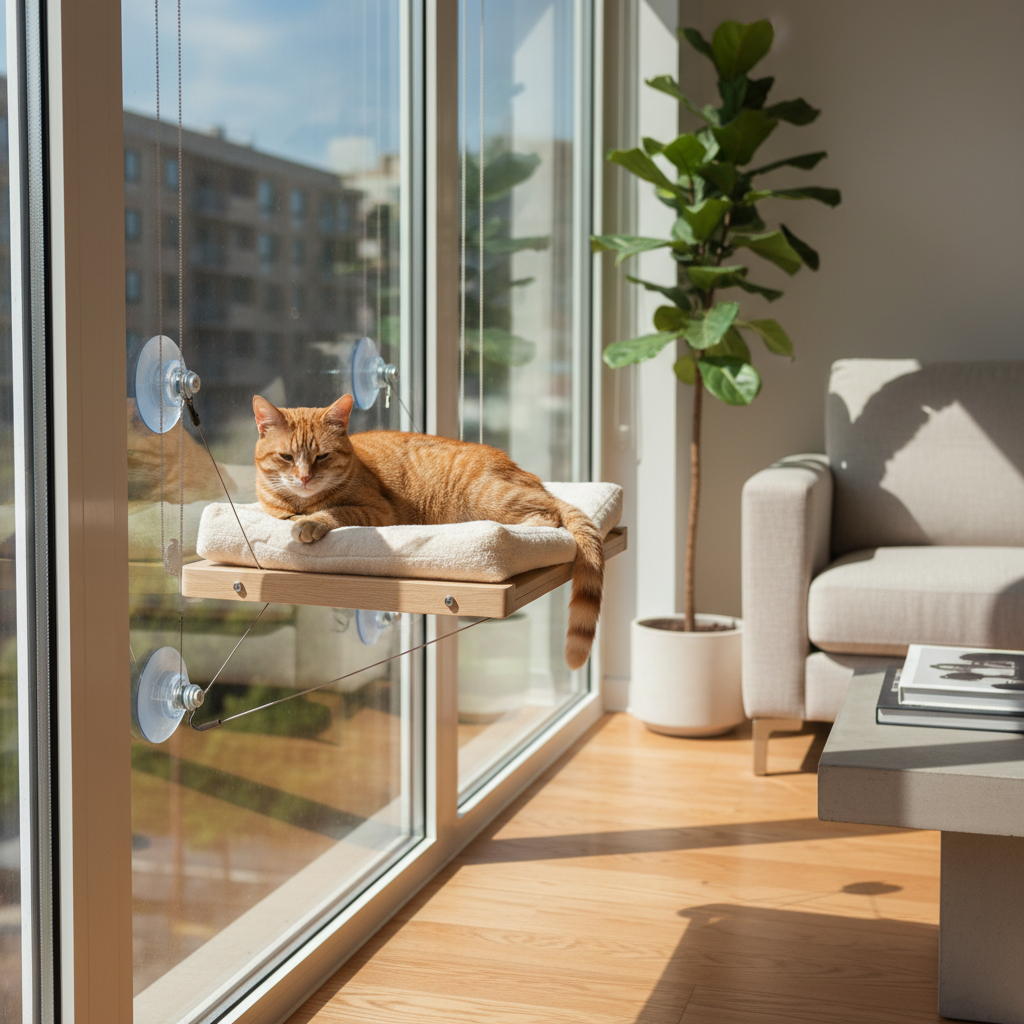
This guide breaks down what makes a perch stable in real life, how to sanity-check product claims, and how to install it so your cat actually trusts it. If you want the quick win, skip to the checklist and the setup steps, that’s where most people fix the problem.
What “sturdy” really means for a cat window perch
“Sturdy” is less about a high weight number on a product page and more about how the perch behaves under movement. Cats don’t sit down like humans, they jump, twist, and land with force.
- Low flex: the platform shouldn’t bow noticeably when pressed by hand.
- No lateral wobble: side-to-side wiggle is what makes many cats avoid a perch.
- Secure attachment method: suction, brackets, or a hybrid system, each has tradeoffs.
- Reliable contact surface: suction cups need clean, smooth glass; brackets need the right frame clearance.
- Grippy sleep surface: fabric that slides can make the whole unit feel unsafe, even if it’s structurally strong.
According to the American Veterinary Medical Association (AVMA), preventing falls and home injuries is part of basic pet safety, and stable furniture and safe access points matter, especially for curious climbers.
Why window perches wobble or fail (common real-world causes)
Most “failures” aren’t dramatic crashes, they’re tiny shifts that teach your cat, this spot can’t be trusted. Here are the patterns that show up most often.
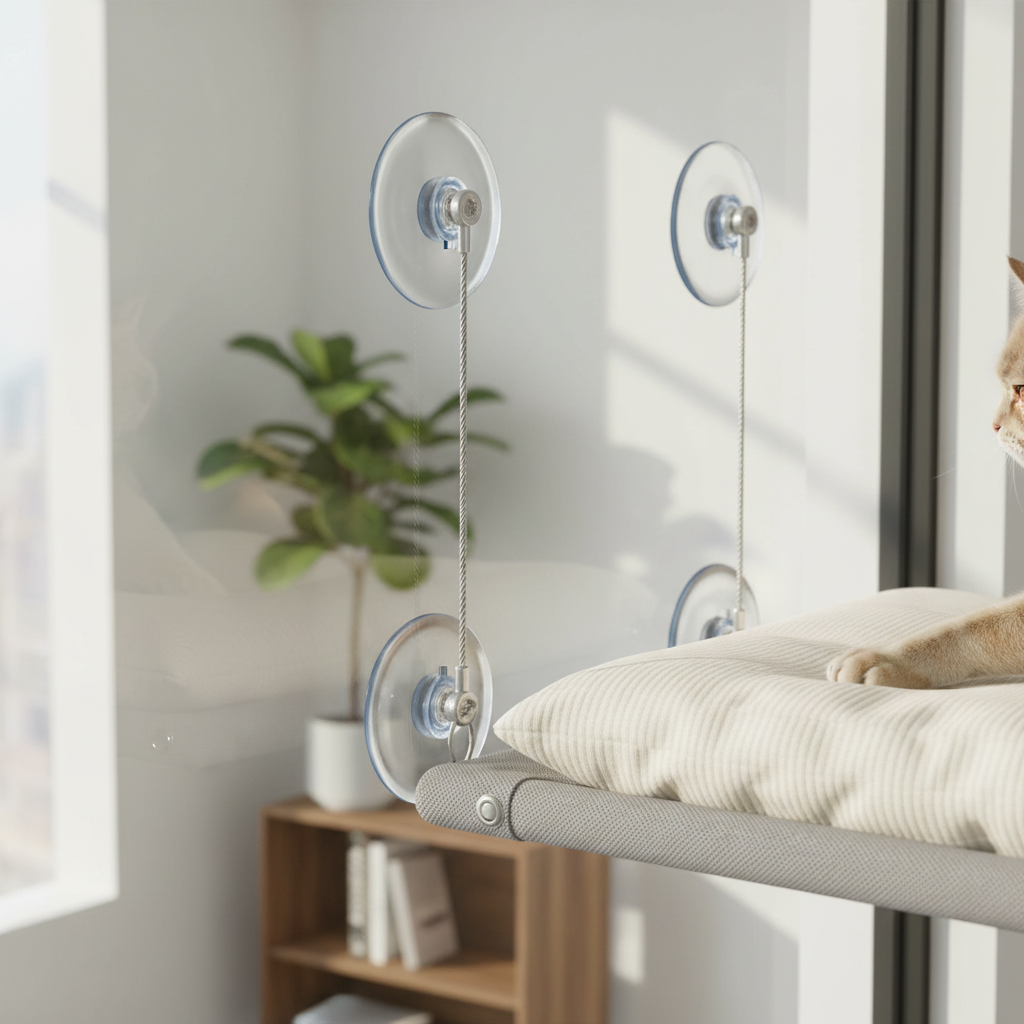
Suction cup reality: glass, temperature, and time
Suction models can be very stable, but they’re picky. Dust film, textured glass, or even frequent temperature changes from direct sun can weaken suction over time. A cat window perch sturdy on day one might feel sketchy by week three if the cups slowly lose seal.
Wrong match for your window frame
Bracket-style perches depend on how your window trim sits. If the bracket presses against rounded molding or doesn’t sit flush, you get micro-movement. That movement becomes “wobble” once your cat lands.
Cat behavior: launch style matters
Some cats step up gently, others do a running leap. Two cats with the same weight can stress a perch very differently. If your cat likes to jump from a sofa arm or bookcase, plan for higher impact.
Materials and hardware that quietly underperform
Thin plastic frames, weak stitching on fabric slings, and small-diameter cables can all “pass” a basic weight rating while still feeling unstable. In many homes, the comfort layer is what fails first: fabric stretches, the platform tilts, and your cat loses confidence.
Quick self-check: is your current perch actually sturdy enough?
If you already own a perch, use this quick check before you buy anything new. It takes five minutes and prevents repeating the same mistake.
- Press test: push down where your cat sits, does it dip or creak?
- Wiggle test: gently move the platform side-to-side, does the mount shift on the glass or frame?
- Seal test (suction): after 24 hours, are the suction cup edges still fully tight with no lifting?
- Surface test: does the cover slip when you rub it with your palm?
- Approach test: does your cat hesitate, sniff, or jump off quickly after landing?
If two or more items look questionable, it’s usually not worth “hoping it holds.” That’s when people start searching cat window perch sturdy again, after the trust is already gone.
Choosing the right style: suction vs bracket vs hybrid
There’s no single winner. The right pick depends on window type, cat size, and how permanent you want the setup.
| Type | Best for | Potential downsides | What to look for |
|---|---|---|---|
| Suction-cup perch | Smooth glass, renters, flexible placement | Seal can weaken if glass is dusty or temps swing | Large cups, backup support (cables), rigid platform |
| Bracket / sill-mounted perch | Sturdy trim, heavier cats, long-term setup | Fit depends on frame shape and clearance | Wide bracket contact points, non-slip pads, strong fasteners |
| Hybrid (suction + brace) | Extra cautious owners, jumpy cats | More parts to align, more visual clutter | Redundant support, minimal flex, easy re-tensioning |
For larger cats or cats that launch hard, bracket or hybrid designs often feel more confidence-inspiring, even when suction ratings claim plenty of capacity.
How to install for maximum stability (simple steps that matter)
Installation is where a “good” product turns into a cat window perch sturdy enough for daily use. Small setup errors cause most wobble complaints.
For suction-mounted perches
- Clean the glass like you mean it: remove residue, then dry completely. A slightly damp surface can reduce seal.
- Warm the cups in your hands: pliable rubber typically seals better than cold, stiff cups.
- Mount at a comfortable landing height: if it’s too high, your cat hits it harder with a jump.
- Pre-load and wait: after mounting, press down firmly, then let it sit for a bit before inviting your cat up.
For bracket or sill-mounted perches
- Check for flush contact: if the bracket rocks against trim, add non-slip padding or choose a different window.
- Confirm level: a slight tilt makes cats “correct” their balance, which adds lateral stress.
- Protect the surface: use pads to avoid damaging painted trim, especially in rentals.
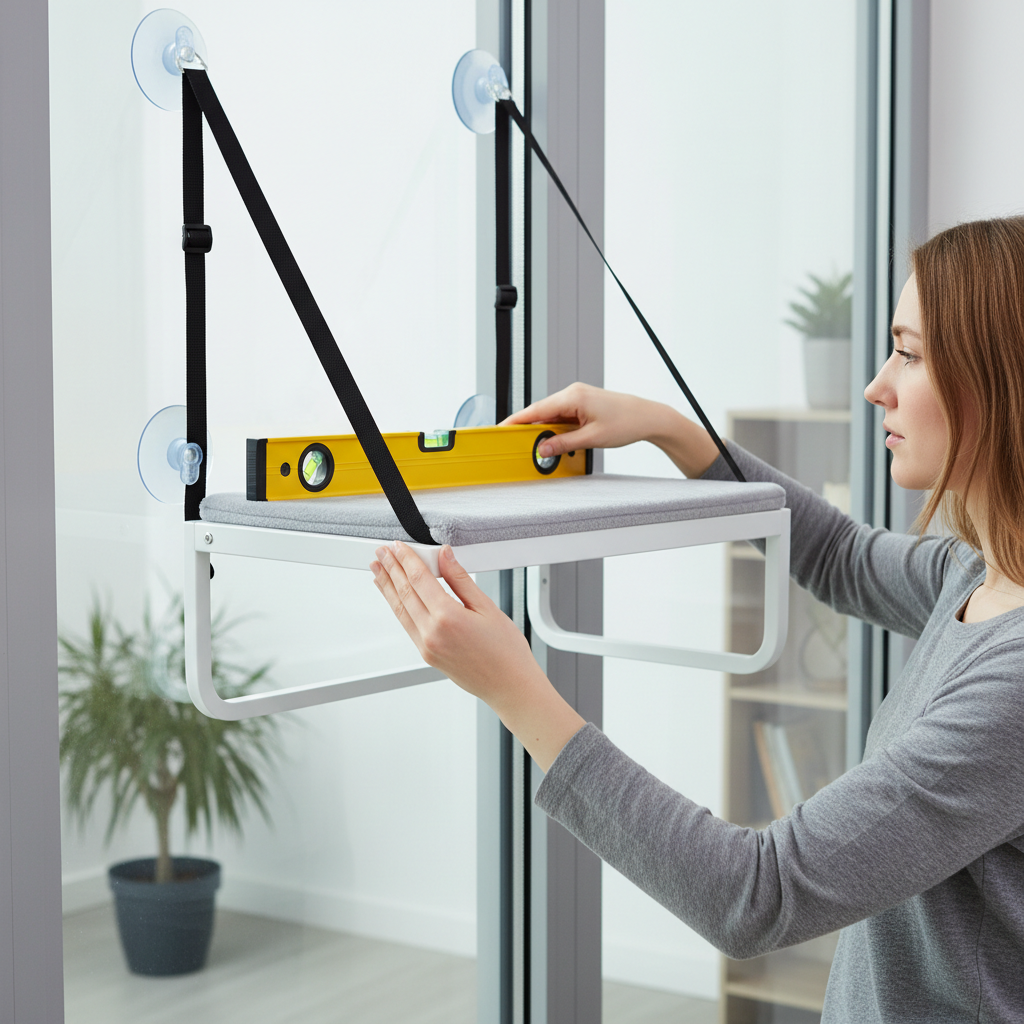
Key point: if your cat is cautious, stability is also “feel.” A perch can be structurally fine, but if it vibrates or squeaks, many cats treat it like a trap.
Safety notes and common mistakes (worth reading once)
Window perches are generally safe when installed correctly, but there are a few avoidable hazards.
- Skipping routine checks: suction cups may need re-seating occasionally, especially in hot, sunny windows.
- Ignoring window limitations: textured or coated glass can reduce suction performance, and some frames don’t support certain brackets.
- Over-trusting weight ratings: ratings are often static; cats create dynamic load when they jump.
- Placing it above hard edges: consider what’s below, a radiator, a sharp table corner, or a narrow ledge can increase injury risk if a fall happens.
- Assuming all cats should use it: senior cats or cats with mobility issues may need a lower step-up option, ask a veterinarian if you’re unsure.
According to the ASPCA, household fall risks and unsafe access points can contribute to pet injuries, so it’s reasonable to treat climbing and perching gear like safety equipment, not decor.
Practical buying checklist: what to prioritize before you click “Add to Cart”
If you want a perch that stays solid through daily sun naps, focus on a few signals that usually correlate with real stability.
- Rigid base: reinforced plastic, wood, or a metal frame tends to flex less than thin, flat plastic.
- Wide mounting points: larger suction cups or broader brackets distribute force better.
- Redundant support: cables, secondary braces, or multi-cup layouts can reduce sudden failure risk.
- Replaceable cover: washability matters, but replacement also matters when fabric stretches over time.
- Your cat’s usable space: measure lounging length, not just platform width, cats hate feeling “half on.”
Conclusion: a sturdy perch is one your cat trusts
A cat window perch sturdy enough for sun-bathing usually comes down to matching the mount style to your window, installing it with care, and doing quick checks so small issues don’t turn into a big slip. If your cat hesitates, that’s feedback, not attitude.
If you want an easy next step, pick one window, do the press and wiggle tests, then reinstall or upgrade based on what you find. A stable perch gets used every day, and that’s the whole point.
FAQ
What makes a cat window perch “sturdy” for a big cat?
Look for low flex, wide mounting points, and some form of backup support. Big cats also tend to land heavier, so stability under movement matters more than a static rating.
Do suction cup window perches really hold long term?
Many do, but performance depends on clean, smooth glass and consistent sealing. In sunny windows, it’s smart to re-check the seal periodically because heat can affect materials.
How do I know if my window glass is safe for suction cups?
Most standard smooth glass works, but textured glass and some coated surfaces may reduce grip. If the cups never fully seal or the edges lift after a day, consider a bracket style instead.
Why does my cat avoid the perch even though it’s installed?
Cats often avoid platforms that wobble, squeak, or feel narrow. Try stabilizing the mount, adding a grippier cover, and offering a lower “step” nearby to reduce jump impact.
Where should I place a window perch for the best sun-bathing?
A south- or west-facing window often provides stronger sun in many U.S. homes, but heat can build up behind glass. Make sure your cat can leave the perch easily and there’s shade nearby.
Is a window perch safe for kittens or senior cats?
Often yes, but the access route matters. Kittens may be clumsy and seniors may have joint limits, so a lower height and a step-up can help, when in doubt, a veterinarian can advise based on your cat’s mobility.
How often should I check a cat window perch for safety?
A quick weekly wiggle check is a reasonable habit, and also after deep cleaning windows or big weather swings. If anything shifts, re-seat or re-tighten before letting your cat jump up.
If you’re trying to set up a sunny nap spot but keep running into wobble, awkward window trim, or a cat that won’t commit, it may help to pick a perch style based on your window type first, then shop within that lane, it’s a lot less frustrating than buying on weight rating alone.