
Best dog dental chews for teeth are usually less about “magic ingredients” and more about consistent chewing time, the right texture, and a shape your dog can actually work with without gulping.
If you have ever brushed your dog’s teeth for three days, missed a week, then noticed breath turning “fishy” again, you already know why chews are popular, they feel doable. They can help manage plaque buildup between brushings, and for a lot of dogs, they are the one dental habit they will happily cooperate with.
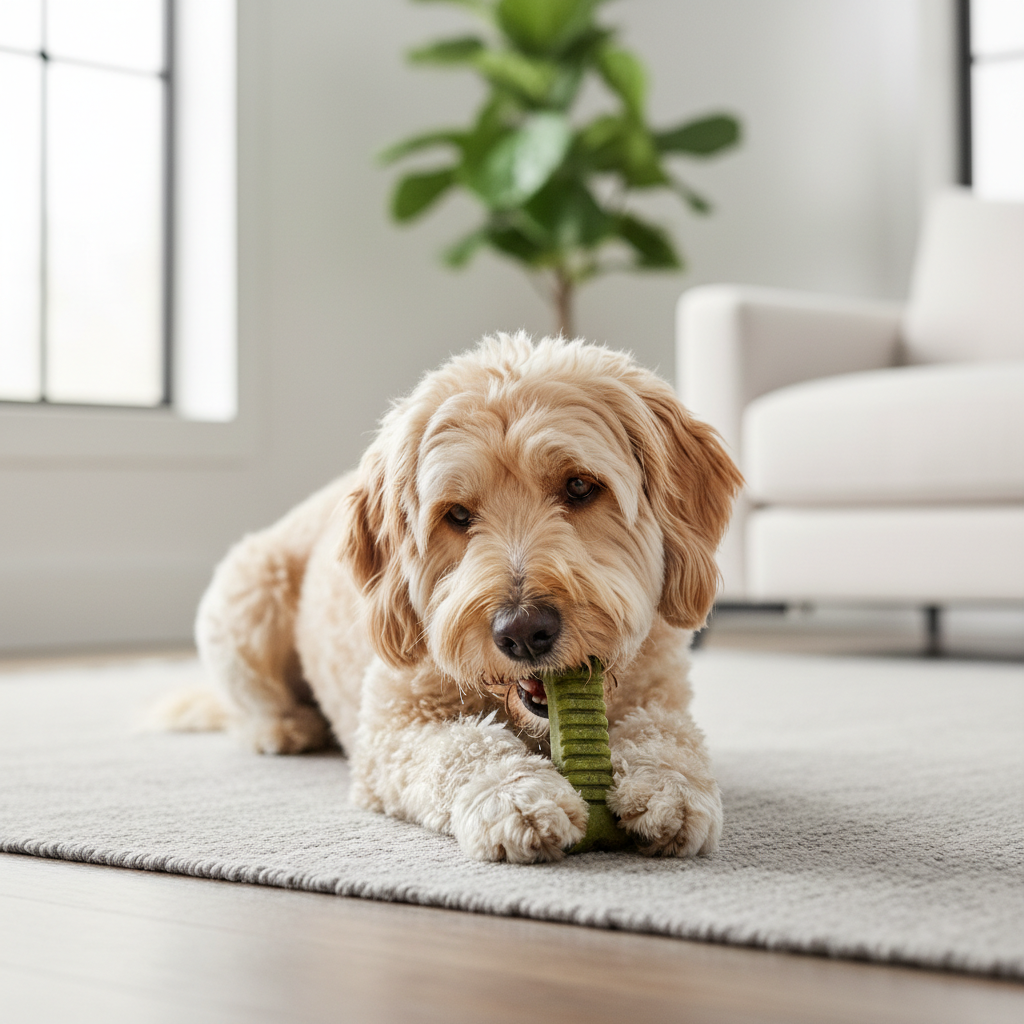
That said, not every dental chew “counts” as dental care. Some are basically treats with a toothbrush-shaped stamp, some are too hard, some are too soft, and some are the wrong size for your dog’s chewing style. This guide helps you sort that out, then build a short list that fits your dog, your budget, and your comfort level on safety.
What dental chews can (and cannot) do
Dental chews can support oral hygiene by mechanically scraping plaque, stimulating gums, and increasing saliva flow. In plain terms, more controlled chewing often means less gunk sticking to teeth.
But chews are not a full replacement for brushing or veterinary dental care. Tartar that has already hardened below the gumline will not reliably come off with treats, and gum disease can progress quietly even when breath seems “fine.” According to the American Veterinary Medical Association (AVMA), periodontal disease is common in pets and regular veterinary dental evaluation matters.
- Good fit: mild to moderate plaque, maintenance between brushings, dogs who refuse brushes.
- Not enough: heavy tartar, bleeding gums, loose teeth, pain when chewing, strong odor that returns quickly.
Quick checklist: is your dog a good candidate?
Before you shop for the best dog dental chews for teeth, do a fast reality check. This keeps you from buying a giant bag that ends up unused, or worse, risky.
- Chewer type: does your dog chew deliberately, or swallow fast? Fast gulpers need larger, longer-lasting formats and closer supervision.
- Age: seniors and puppies may need softer textures to avoid discomfort.
- Dental history: prior fractures, extractions, or known periodontal disease may change what is safe.
- Diet and calories: chews are food, if weight control is a goal, treat calories must fit your plan.
- Allergies or sensitivities: poultry, beef, wheat, and certain additives can be triggers for some dogs.
If your dog has trouble chewing, drops food, paws at the mouth, or has bleeding gums, it is smarter to ask your veterinarian before adding chews. These signs can point to pain or advanced disease.
How to evaluate a dental chew (the criteria that actually matter)
Packaging tends to shout “fresh breath” and “tartar control,” but you want to look at the stuff that influences real-world performance.
1) Look for credible dental standards
Many owners use the VOHC seal as a shortcut. According to the Veterinary Oral Health Council (VOHC), products can earn a seal when data show they help reduce plaque and or tartar, under VOHC protocols. It is not a guarantee for every dog, but it is a meaningful filter compared with untested claims.
2) Match texture to your dog’s teeth and habits
- Too hard: higher risk of tooth fractures for some dogs, especially aggressive chewers.
- Too soft: disappears in seconds, not much scrubbing time.
- Ideal in many cases: a chew that yields a bit under pressure but resists immediate crumbling.
3) Size matters more than people think
A dental chew should encourage gnawing, not quick swallowing. Go by the manufacturer’s weight range, then adjust based on how your dog actually chews. When in doubt, size up and supervise, especially for dogs who inhale treats.
4) Ingredients and calories: check the “treat math”
Some of the best dog dental chews for teeth are also calorie dense. If your dog gets one daily, those calories become part of the diet, not a bonus. Watch for added sugars, high fat, and multiple flavor coatings if your dog has a sensitive stomach.
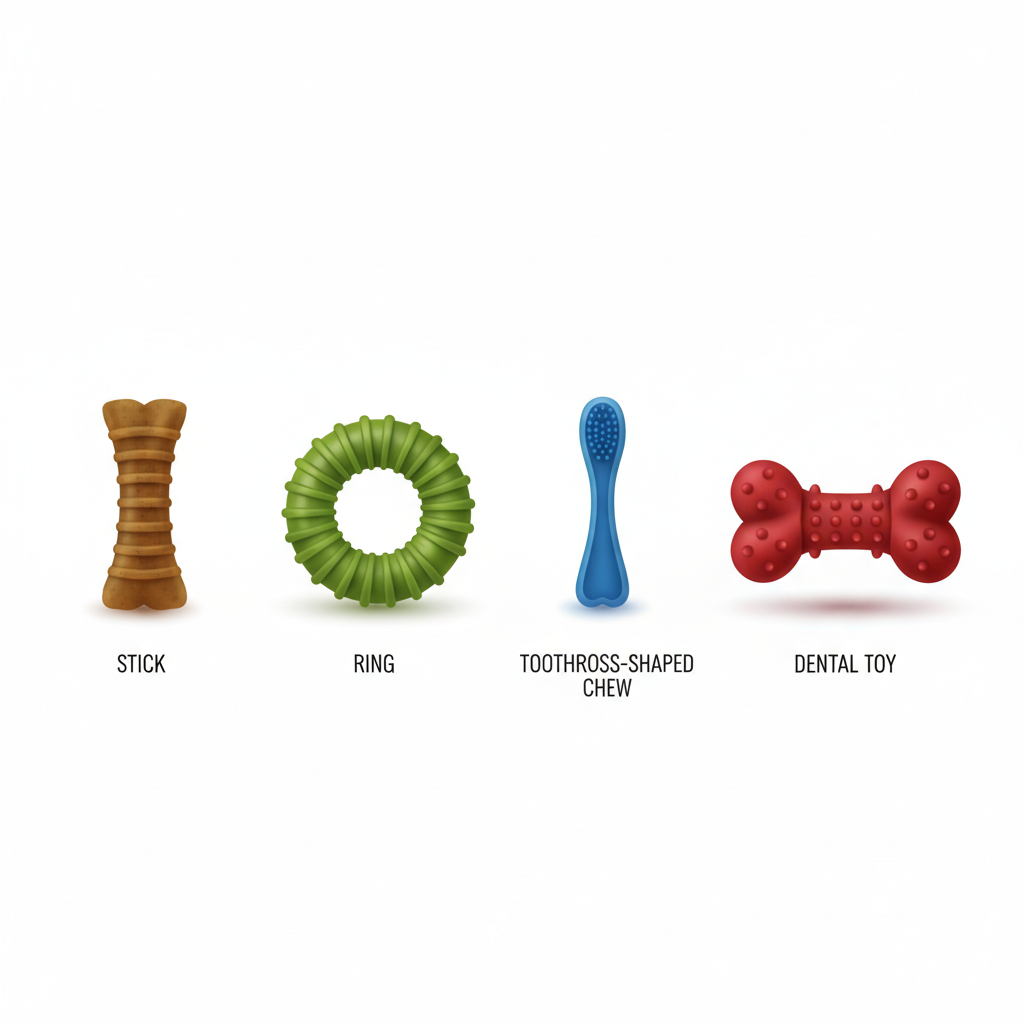
Best dog dental chews for teeth: types compared (choose your lane)
Instead of chasing one “winner,” it helps to pick the format that fits your dog’s behavior and your tolerance for mess, smell, and supervision.
| Type | Why people like it | Watch-outs | Best for |
|---|---|---|---|
| VOHC-accepted dental chews | Clearer evidence-based claims | Some dogs finish fast, calories add up | Daily maintenance routines |
| Textured sticks / toothbrush shapes | Grooves can improve contact with teeth | Wrong size can become a choking risk | Moderate chewers |
| Rubber dental chews (toy-style) | Reusable, less calorie impact | Not all dogs engage long enough | Food-motivated dogs with smearable pastes |
| Edible long-lasting chews (single-ingredient, etc.) | High engagement, keeps dogs busy | Richness, splintering, GI upset risk varies | Owners who can supervise closely |
| Dental water additives + chews | Pairs well for breath support | Not a substitute for mechanical cleaning | Dogs who dislike brushing |
How to build a simple routine that works in real life
The best dental chew is the one your dog will use consistently, and that you can keep buying without resenting the cost. A routine keeps results steadier than random “big chew days.”
- Start with 3–4 days a week if you are new, then increase if your dog tolerates it well.
- Time it after meals for many dogs, chewing feels more natural and stomachs may handle it better.
- Pair with quick brushing when possible, even 30 seconds on the outer tooth surfaces helps in many cases.
- Use a consistent cue, dogs learn “chew time” quickly and it reduces frantic gulping.
If you want to be nerdy about it, take a phone photo of your dog’s canine teeth and back molars every two weeks under similar lighting. You will notice trends sooner than you think, especially around the gumline.
Safety and common mistakes (this is where people get burned)
Dental chews are usually safe when chosen well and used with supervision, but problems tend to cluster around a few patterns.
- Picking ultra-hard chews for “tough chewers”: harder is not automatically better, tooth fractures can happen, and they can be expensive to treat.
- Wrong size for fast eaters: if your dog can swallow it whole, it is not a dental chew, it is a choking hazard.
- Doubling up products: chew plus dental treat plus high-calorie training treats can quietly push weight up.
- Ignoring ingredient sensitivities: recurring diarrhea or itching after a new chew is a sign to pause and reassess.
- Assuming breath equals health: breath can improve while gum disease still progresses, especially under the gumline.
According to the FDA, pet treats and chews can be associated with illness or injury in some situations, and owners should monitor for choking, digestive upset, or unusual behavior and contact a veterinarian if concerned.
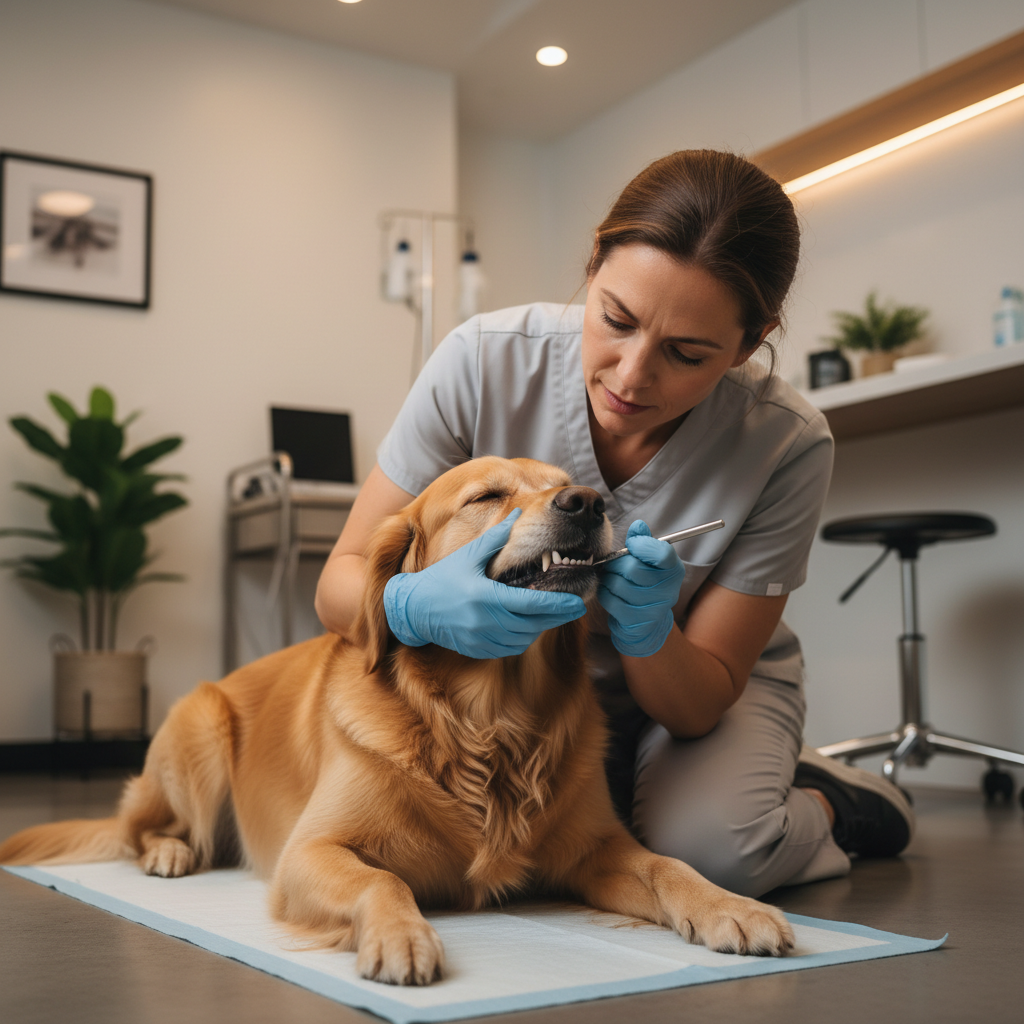
When to stop DIY and ask your vet
Chews can be a helpful layer, but some signs mean you should shift from shopping mode to medical advice. If you see any of the items below, it is reasonable to schedule an exam and ask what home care is appropriate for your dog.
- Bleeding gums or gum swelling
- Broken or discolored teeth
- Drooling that seems new, or pawing at the mouth
- One-sided chewing or dropping kibble
- Breath that turns foul quickly after chews and brushing attempts
Many clinics can show you brushing technique, recommend VOHC-accepted options, and help you avoid chew choices that do not fit your dog’s teeth, age, or medical history.
Key takeaways and a practical “buying plan” for 2026
If you want a clean approach for 2026, focus on three decisions, then stop overthinking it.
- Filter for credibility: prioritize VOHC-accepted products when available, especially if you want a straightforward evidence-based pick.
- Choose the right format: edible chews for engagement, rubber dental chews for lower calories, textured sticks for balanced daily use.
- Commit to consistency: a good-enough chew used regularly often beats the “perfect” chew used twice a month.
Action step: pick one chew type that fits your dog’s chewing speed, buy the smallest bag first, then reassess in two weeks with a quick tooth photo comparison and your dog’s stool and appetite as the reality check.
FAQ
What are the best dog dental chews for teeth if my dog swallows treats fast?
Look for larger-size chews designed for your dog’s weight and a shape that forces gnawing, then supervise. If your dog still tries to gulp, a reusable rubber dental chew with a smearable paste may be safer than edible sticks.
Do VOHC-accepted dental chews really work?
They are more likely to have meaningful plaque or tartar reduction claims compared with generic treats. Results still vary by dog, because chewing style and frequency matter a lot.
How often should I give dental chews?
Many owners use them daily or several times per week, but the right schedule depends on calories, stomach sensitivity, and how much brushing you also do. If weight is a concern, reduce other treats to compensate.
Are grain-free dental chews better for dental health?
Not automatically. Dental benefit usually comes from mechanical action and design, not whether it is grain-free. If you are choosing grain-free due to sensitivity, check with your veterinarian about broader diet fit.
What is safer for teeth, softer chews or harder chews?
Softer chews can be gentler but may clean less if they disappear quickly. Very hard chews may raise fracture risk for some dogs. A chew that yields a bit while still lasting tends to be a reasonable middle ground.
Can puppies use dental chews?
Often yes, but you want puppy-specific options and appropriate sizing, because mouths are still developing. If your puppy is teething heavily or seems sore, ask your vet what textures make sense.
My dog’s breath improved, does that mean the teeth are clean now?
Better breath is a nice sign, but it does not prove gums are healthy. If you notice redness at the gumline or tartar “bands” on back teeth, a veterinary check may still be needed.
If you are trying to narrow down the best dog dental chews for teeth without buying five different bags, bring your dog’s weight, age, chewing style, and any food sensitivities to your next vet visit, a 2-minute conversation often saves you a month of trial and error.