
Fish tank gravel clean is one of those tasks that feels optional until your water turns cloudy, your filter clogs faster, or your tank starts smelling “off.” The good news, most gravel problems come from a few predictable causes, and you can fix them without stripping your whole setup.
Gravel is where fish waste, leftover food, and biofilm collect, it also hosts beneficial bacteria that support your nitrogen cycle. Clean it too aggressively and you can destabilize the tank, ignore it too long and you invite algae and poor water quality, so the goal is “clean enough,” not “sterile.”
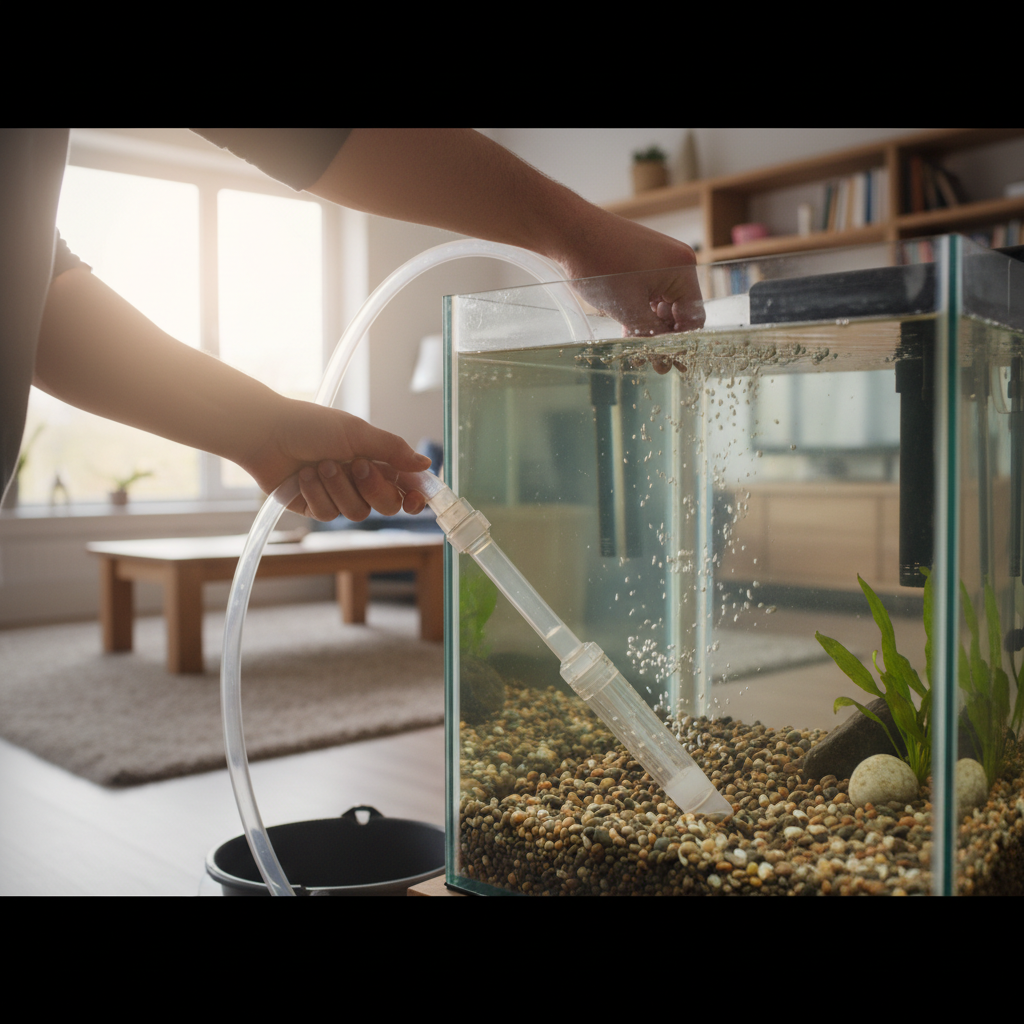
Below is a practical way to tell whether your substrate truly needs attention, how to clean it safely, and when “natural cleaning” really means improving habits rather than buying another product.
Why gravel gets dirty (and why it matters)
Most dirty-gravel complaints trace back to simple tank dynamics. The substrate catches what the filter misses, and over time it becomes the tank’s “storage closet.” If you do nothing, that storage closet starts leaking into the water column.
- Overfeeding: extra food sinks, breaks down, and drives ammonia and cloudiness.
- High bioload: more fish or messy eaters create more waste than the system processes comfortably.
- Low flow zones: dead spots behind decor let debris settle and rot.
- New gravel dust: un-rinsed substrate can cloud water for days, it looks “dirty” but behaves differently.
- Old maintenance pattern: small, irregular water changes often let mulm build deep in the bed.
According to the U.S. Environmental Protection Agency (EPA), ammonia and nitrogen compounds are core water-quality concerns in aquatic systems, in aquariums this translates to waste buildup that can stress livestock if not managed. You do not need to chase perfect numbers daily, but you do want predictable maintenance.
Quick self-check: do you actually need to clean the gravel?
A lot of people jump straight to a deep scrub when the real issue is feeding, filtration, or a new-tank bacterial bloom. Use this quick checklist to sort it out.
Signs your gravel needs attention soon
- Debris visibly sitting on top of the substrate after a few hours
- Brown mulm puffing up when you move a rock or plant base
- Filter floss turns dark fast, even with modest feeding
- Musty odor when you open the lid, especially after lights-out
Signs it may not be a gravel problem
- Milky water in a new tank, often a bacterial bloom
- Green water, more often light and nutrients than substrate alone
- Dusty haze right after adding new substrate, usually needs time and filtration
Natural, safe ways to keep gravel cleaner between cleanings
“Natural” usually means reducing the amount of gunk that reaches the bottom, and letting biology do its job. It’s less about pouring something into the tank, more about preventing the mess.
- Feed smaller portions, then watch the bottom for leftovers, adjust from what you see.
- Improve circulation so debris reaches the filter, aim flow across the substrate without blasting fish.
- Use pre-filter sponges to catch coarse waste before it grinds into fine particles.
- Add plants (even easy ones) to compete with algae and take up dissolved nutrients.
- Pick a cleanup crew carefully: snails and some bottom-dwellers help with leftovers, but they still add bioload.
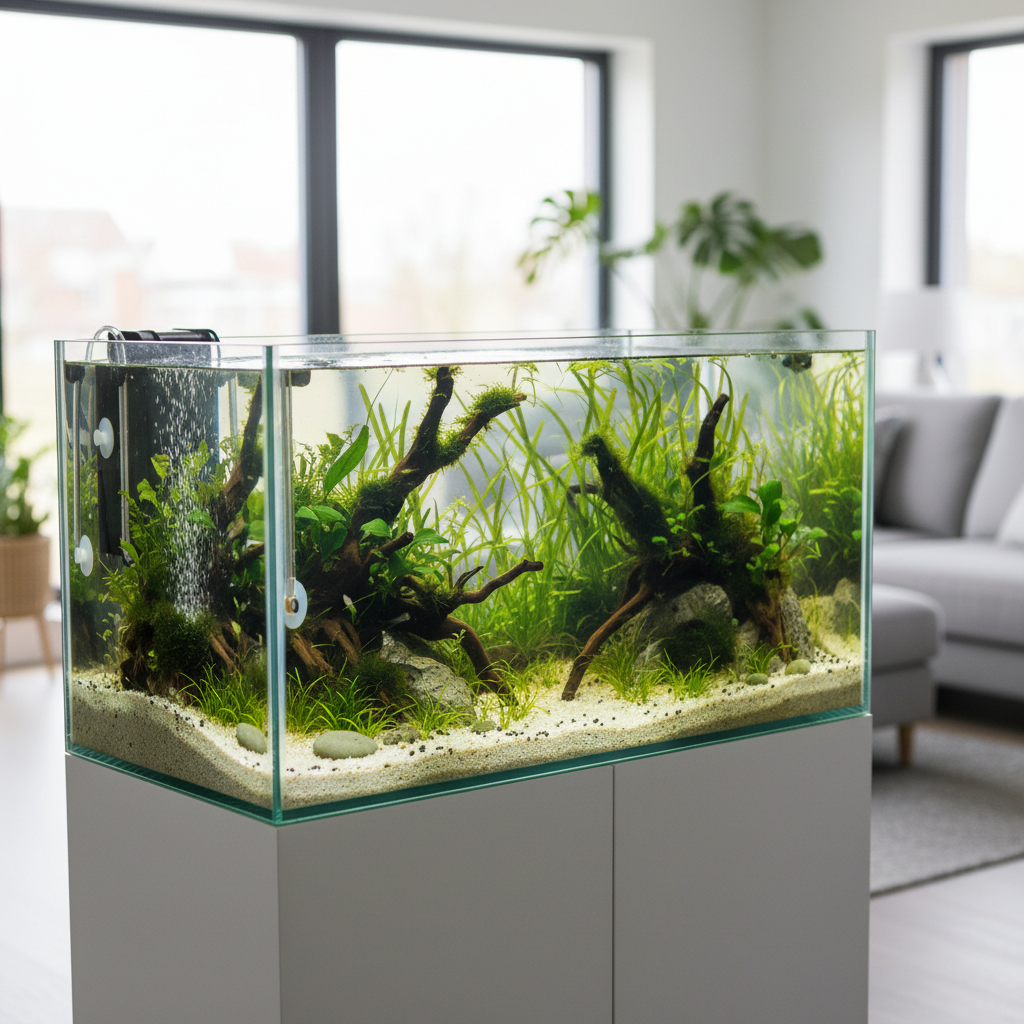
One realistic note: “natural” helpers do not replace maintenance. They reduce leftovers and algae, but they do not remove accumulated mulm deep in the bed.
How to clean aquarium gravel without crashing your cycle
If your goal is fish tank gravel clean results without stressing fish, treat gravel cleaning as part of a partial water change, and avoid stripping all bacteria at once. Many tanks stay stable because the maintenance stays consistent.
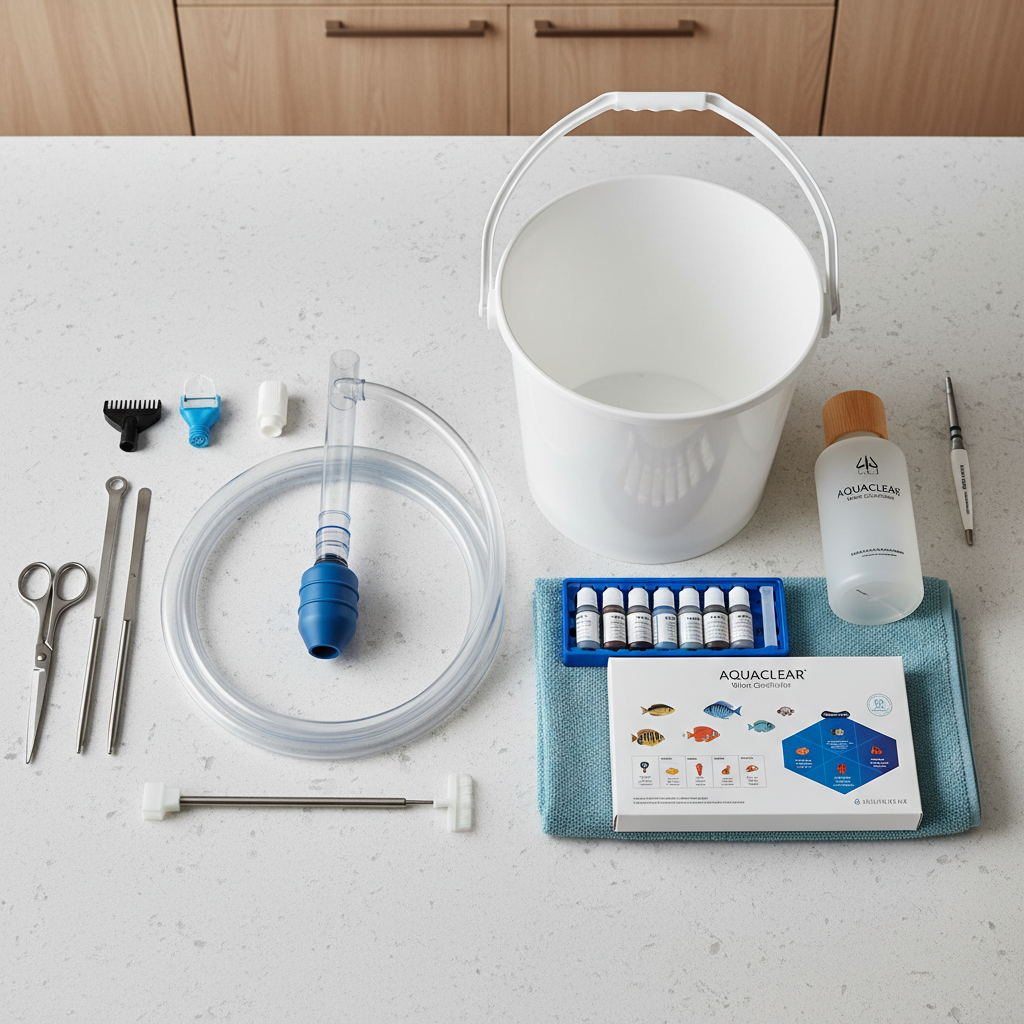
Tools that make the job easier
- Gravel vacuum/siphon sized for your tank
- Bucket dedicated to aquarium use (no soap residue)
- Water conditioner for refills
- Optional: fine filter floss for post-clean polish
Step-by-step (practical, low-risk routine)
- Turn off heater if water level will drop below it, to avoid overheating.
- Siphon 20–30% of water while vacuuming one section of gravel, watch the debris lift and fall.
- Work in zones, clean 1/3 to 1/2 of the substrate per session in established tanks.
- Stop when the water runs clearer in the siphon, you do not need “perfectly clean” gravel.
- Refill slowly with temperature-matched water, use conditioner as directed.
- Rinse mechanical media (sponges/floss) in removed tank water, not under tap water.
According to the American Veterinary Medical Association (AVMA), sudden environmental changes can contribute to animal stress. In aquarium terms, overly aggressive cleaning and big parameter swings often cause more trouble than a slightly dirty substrate.
What “safe” really means: chemicals, rinsing, and new gravel
People often reach for bleach, soap, or “miracle clarifiers” when the tank looks rough. In many home aquariums, that’s where things go sideways. Safe cleaning focuses on removal and consistency, not harsh disinfecting.
If you’re adding or replacing gravel
- Rinse new gravel thoroughly until runoff looks mostly clear, dust causes cloudiness and can clog filters.
- Swap in stages if the tank is established, replacing everything at once can reduce beneficial bacteria.
- Mind substrate depth: very deep beds can trap anaerobic pockets in some setups, especially if compacted.
About chemical cleaners
- Soap is a no, residue can be harmful even in tiny amounts.
- Bleach may be used for equipment outside the tank in some cases, but only with correct dilution and thorough dechlorination, if you are not confident, skip it.
- “Clarifiers” can bind particles, but they do not remove the underlying waste source, and they may gum up filters in some tanks.
Maintenance schedule: a simple table you can stick to
There’s no single schedule that fits every aquarium, but most hobbyists do better with small, predictable routines than occasional “reset days.” Use this as a starting point and adjust based on what you see.
| Tank situation | Gravel vacuum frequency | How much gravel to vacuum | Water change target |
|---|---|---|---|
| Lightly stocked, planted | Every 2–4 weeks | 1/4–1/3 per session | 20–30% |
| Community tank, moderate feeding | Weekly to biweekly | 1/3–1/2 per session | 25–40% |
| Messy eaters (goldfish, cichlids) | Weekly | 1/2 per session | 30–50% |
| New tank with cloudy water | As needed, lightly | Spot-clean only | Smaller, more frequent |
Key takeaway: if your tank stays stable, keep the routine. If you keep needing emergency cleanups, look upstream at feeding, stocking, and filtration.
Common mistakes that keep gravel “dirty” no matter what you do
- Vacuuming every inch every time, it can disrupt beneficial bacteria in smaller or newer tanks.
- Stirring the whole substrate right before guests arrive, you can release a lot of trapped mulm at once.
- Ignoring filter maintenance, a dirty impeller or packed media reduces flow and lets debris settle.
- Chasing crystal-clear water with additives, while overfeeding continues.
- Using untreated tap water, chlorine/chloramine can harm the biofilter, which then makes waste control harder.
If your “fish tank gravel clean” effort keeps failing, it’s often because the tank keeps producing more waste than the system exports each week. Fixing that balance beats cleaning harder.
When to get extra help (or at least slow down)
Some situations benefit from advice from an experienced local fish store, a professional aquarium service, or a veterinarian who works with fish, especially if animals look unwell. If fish gasp at the surface, clamp fins, stop eating, or you see repeated deaths, focus on water testing and stability rather than deep-cleaning the substrate.
It can also be smart to seek help when you suspect a cycle crash, you smell strong sulfur from the substrate, or you maintain a large tank where a mistake would swing parameters fast. In those cases, conservative steps and testing tend to be safer than “big fixes.”
Conclusion: keep it clean, not sterile
Gravel stays manageable when you treat it like part of your filtration system: remove waste gradually, protect beneficial bacteria, and reduce what sinks to the bottom in the first place. If you pick one habit to start this week, do a consistent partial water change with gentle vacuuming, then adjust feeding based on what you see on the substrate.
If you want a calmer routine, set a repeating reminder, clean one or two zones each time, and let consistency do the heavy lifting.
FAQ
How often should I do fish tank gravel clean maintenance?
For many community tanks, weekly to biweekly gravel vacuuming during a partial water change works well. If the tank is lightly stocked and heavily planted, you may stretch it, but watch for debris buildup and rising nitrates.
Can I rinse aquarium gravel in tap water?
For new gravel before it enters the tank, many people rinse with tap water to remove dust, then drain thoroughly. For established gravel you plan to reuse, rinsing in dechlorinated water or old tank water is usually gentler on beneficial bacteria.
Will cleaning gravel remove beneficial bacteria?
It can, especially if you deep-clean the entire substrate at once or wash it under chlorinated water. Vacuuming in sections and keeping filter media handled gently helps maintain stability.
Why is my water cloudy after vacuuming the substrate?
You likely stirred fine particles or mulm into the water column. It often clears within a day with good filtration, adding a bit of fine floss can help, but avoid repeating aggressive stirring.
Is sand harder to keep clean than gravel?
Sand tends to keep debris on top, which can be easier to remove, but it can compact and create low-oxygen spots in some setups. Gravel lets more waste sink between pieces, so vacuuming matters more, but it also tends to breathe better.
Do snails or bottom feeders replace gravel vacuuming?
They help with leftovers and algae, but they do not remove fine waste trapped in the bed. Think of them as support, not a substitute for maintenance.
What’s the safest way to clean gravel when fish seem stressed?
Keep changes small: spot-clean only, do a modest water change, match temperature, and test ammonia and nitrite if you can. If symptoms persist, consider consulting a fish-savvy professional rather than doing a major substrate overhaul.
If you want a more hands-off setup
If you’re trying to keep a tank clear without turning weekends into maintenance time, it may help to choose a substrate depth that matches your livestock, pair it with a properly sized filter, and build a simple routine around small, repeatable cleanings, a local aquarium shop can also suggest equipment sizes based on your exact tank and stocking plan.